Teeth Cleaning
Cleanings remove plaque and keep your teeth and gums healthy.
Learn MoreOur Services
If You Need Any Help
Contact Us
A lot of people treat snoring as just an annoyance, something a partner complains about, something you laugh off. Yet, chronic snoring, particularly when accompanied by gasping, choking, or waking up without the energy to get out of bed after a full night in bed, is usually telling us to focus our attention in the right direction.
Sleep apnea refers to the partial or complete blockage of your airway when you are asleep. You wake, now and then, though you may not know it, and the process goes on dozens of times at night. The body does not obtain the deep, restful sleep that it requires. And with time, that has a real toll.
We provide custom oral appliances to treat sleep apnea at Red House Dental, Richmond Hill, which are discreet, comfortable, and clinically effective without the noise and bulk of using a CPAP machine.
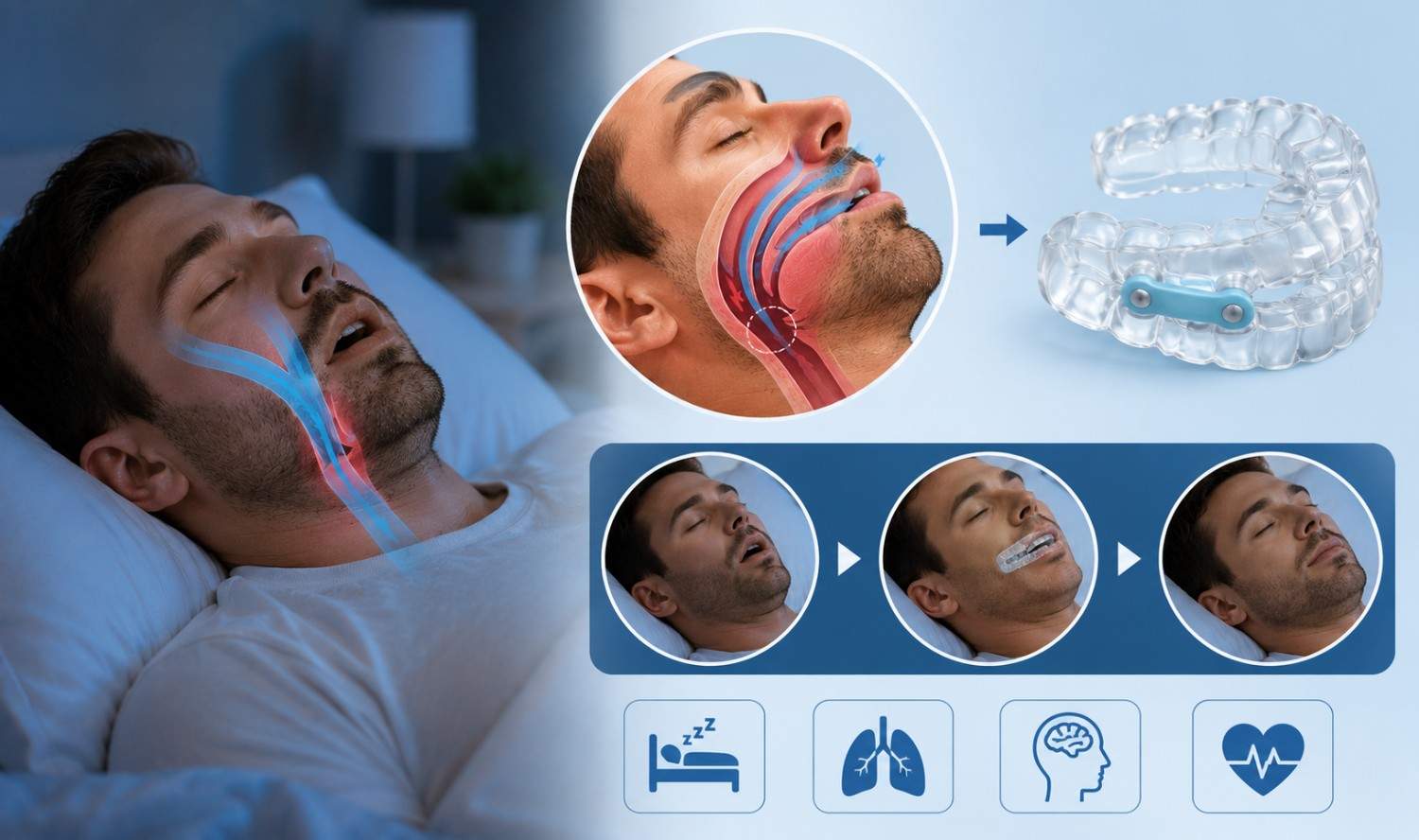
Sleep apnea sounds like a medical issue, and it is. But the mechanics behind obstructive sleep apnea happen inside the mouth and throat. The jaw drops back. The tongue relaxes. Soft tissue collapses into the airway. That's what causes the obstruction.
A custom oral appliance worn during sleep works directly on that. It holds the lower jaw slightly forward, just enough to keep the airway from narrowing. No machine. No mask. No tubing running across the bed. Just a small, custom-fitted device that goes in at bedtime and comes out in the morning.
Dr. Kavita Gupta at Red House Dental holds a qualified dentist designation from the American Academy of Dental Sleep Medicine. That isn't a weekend certificate. It means she's specifically trained in how these devices work, how they're fitted, and how they're adjusted over time to actually get results.
The most widely used option is called a mandibular advancement device. Custom-made from impressions of your own teeth, it looks a bit like a sports mouthguard but fits far more precisely than that. It positions the lower jaw forward slightly during sleep. Enough to hold the airway open. Not so much that it causes jaw discomfort once you're past the adjustment period.
There's also a tongue-retaining device, used when jaw repositioning isn't the right fit for a patient's anatomy or existing dental situation. It holds the tongue forward instead. Different mechanism, same goal.
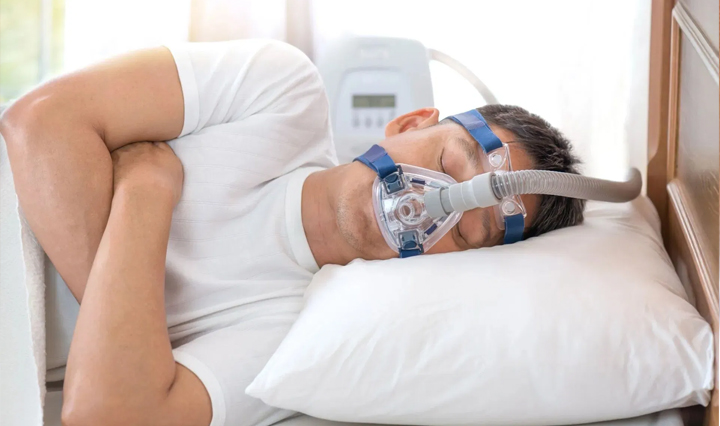
Both are worn only at night. Small enough to pack in a carry-on. No electricity required. Patients who've tried CPAP and couldn't tolerate the mask, the noise, or the claustrophobic feeling often find these appliances are something they can actually commit to consistently. And consistent use is what produces results.
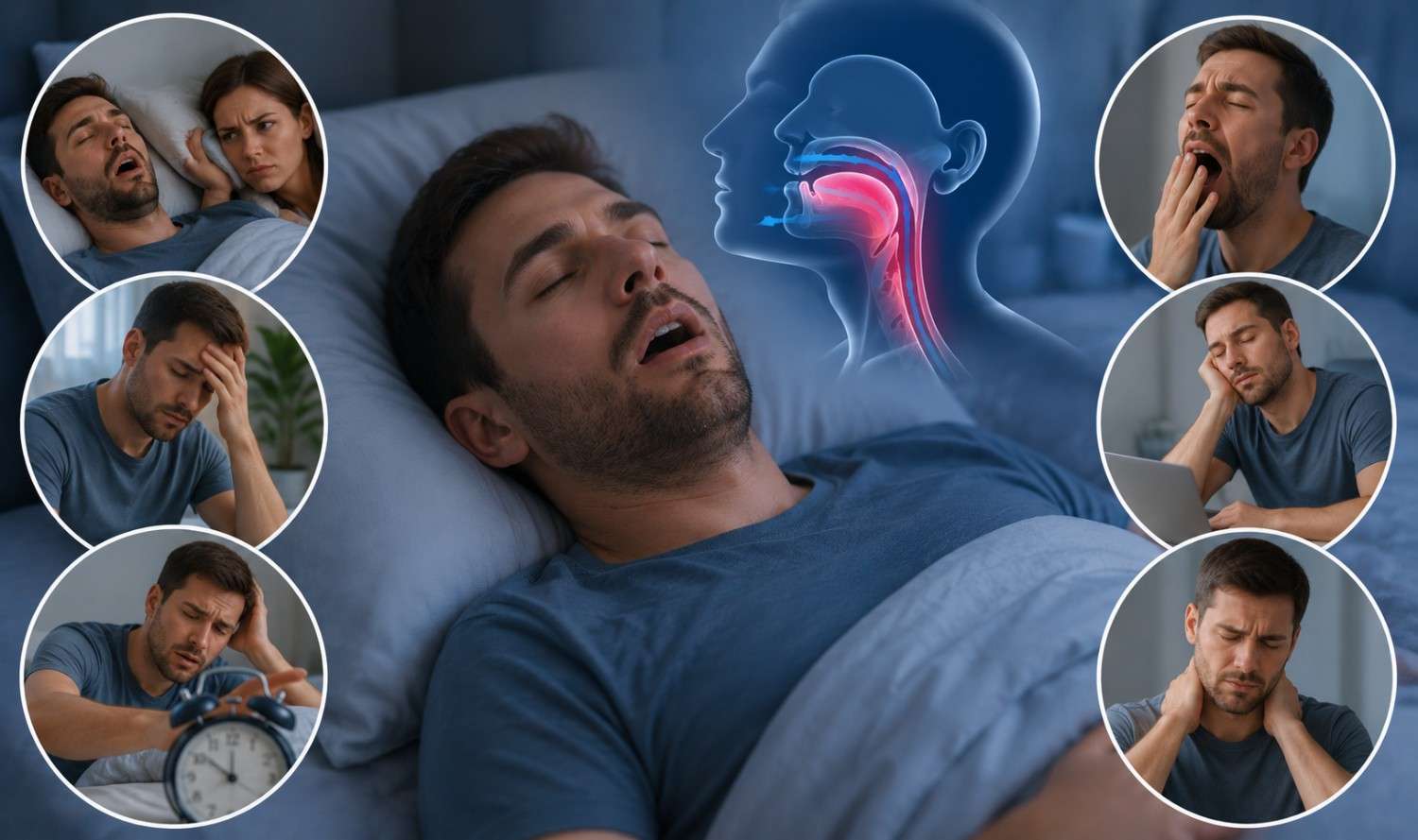
Sometimes the picture is obvious. A bed partner who's been complaining about snoring for years. Waking up gasping or choking. Feeling genuinely unrefreshed no matter how long you sleep.
Other times it's less dramatic. Watch for:
None of these symptoms on their own confirm sleep apnea. But together, or in combinations, they're patterns that a physician and a sleep study can properly assess. Once diagnosed, an oral appliance consultation at Red House Dental is a natural next step, particularly for mild to moderate obstructive sleep apnea or for patients who've been prescribed CPAP and found it genuinely unworkable.
It starts with a consultation. We go through your sleep study results, look at your teeth, jaw joint health, and bite, and work out whether an oral appliance is appropriate for your case. Some patients need other things addressed first. We're upfront about that.
If an appliance is the right path, impressions or digital scans are taken. The device is made specifically for your mouth, not a generic size, not an off-the-shelf product. When it comes back from the lab, we fit it carefully and set the jaw position.
Then there are follow-up appointments. This part matters more than people expect. The jaw position needs gradual adjustment over the first few weeks as the body adapts. Too little advancement and the appliance doesn't do its job. Too much and the jaw aches in the morning. Getting that calibration right takes a few visits, and it's something we monitor closely.
For mild to moderate obstructive sleep apnea, it's a clinically recognized treatment. Severe cases generally still require CPAP. But for many patients an appliance that gets worn every single night is more effective in practice than a CPAP machine that gets avoided.
Most patients need one to two weeks before wearing it feels natural. The custom fit helps considerably, it's a very different experience from generic pharmacy mouthguards.
Yes. A sleep study and physician diagnosis come first. If you suspect sleep apnea but haven't been assessed, your family doctor is the starting point. Once diagnosed, come and see us.
Yes. Patients whose main concern is snoring, without a formal sleep apnea diagnosis, can still benefit from a mandibular advancement device. It keeps the airway open and reduces or eliminates the soft tissue vibration that causes the sound.
Typically several years with proper care. We check the fit at your regular visits and flag when replacement is needed.
Poor sleep affects far more than energy levels. Concentration, mood, blood pressure, immune function, cardiovascular health, all of it takes a hit when the body isn't getting genuine rest night after night.
If any of this sounds familiar, whether it's you or someone you share a bed with, a consultation at Red House Dental in Richmond Hill is a straightforward starting point. We'll assess whether an oral appliance suits your situation and give you honest information about what treatment involves.
Call +1 (905) 883-4643. Visit 38 Arnold Crescent, Richmond Hill.
Contact Us
Copyright © 2025 Red House Dental. All Rights Reserved. Designed & Maintained by Rocket Growth
DR. RIA PUDJO
Dr. Kavita Gupta
DR. SANDEEP TAYAL
DR. SUSIE ANG
DR. TARAS KLITOVCHENKO
MAHIN
DIANA
MARCELA
CORTNEY
CORTNEY
LILLIAN
NORA