Sometimes a tooth hurts. Sometimes it is gone. Sometimes it just feels strange in a way you cannot explain. Many people wait and hope the tooth gets better on its own. But teeth don’t heal by themselves. When a tooth is weak, missing, or wiggly, the mouth starts to send little signs. Those signs grow louder with time.
At Red House Dental in Richmond Hill, the team believes care should stay simple and warm. No heavy words. No confusing steps. No rush. Just kind people who listen and talk in a calm way. They say dental care should feel like sitting with someone who truly wants to help you. And that is how they work every day.
This guide follows the same feel. Soft words. Easy ideas. Just clear signs that your mouth may need help even if you don’t feel much pain yet.
Here are the eight signs, told like a story instead of a strict list.
1. When you can see a gap where a tooth used to be
A missing tooth doesn’t always hurt. But it changes the way the mouth works. The tongue keeps touching the empty spot. Food slips into the space. The teeth near the gap start to lean a little, almost like trees falling toward an open field. This can change your bite and make chewing harder over time.
Many people don’t fix a missing tooth for years. But the mouth never likes an empty space. It tries to adjust, and those adjustments sometimes cause more trouble later.
When you see a gap, the mouth is already telling you it needs support.
2. When chewing becomes a slow or careful job
Chewing is something we rarely think about… until it stops feeling easy. Suddenly you start taking smaller bites. You chew on one side only. You avoid hard foods. Even soft foods can feel sharp against a weak tooth.
Chewing trouble is the mouth’s quiet warning. Something underneath isn’t strong anymore. It might be from a missing tooth, a cracked tooth, or a tooth that is about to give up.
If chewing feels like work instead of something natural, the mouth is asking for help.
3. When a grown-up tooth wiggles like a baby tooth
A loose tooth in a child is normal. In an adult, it is a sign that something deeper is going on. Maybe the gum has pulled back. Maybe the bone under the tooth is shrinking. Maybe the tooth was badly damaged long ago and eventually needed root canal treatment.
A loose tooth may not hurt at first. But looseness doesn’t go away by itself. A loose tooth is like a chair with a shaky leg; it may stand today, but not forever.
If a tooth moves when you touch it or when you chew, the mouth is giving you a clear sign.
4. When the bone under the gums becomes thinner
You cannot see your jaw bone shrinking, but your dentist can. When a tooth has been gone for a long time, the bone beneath the gum no longer gets the pressure it needs to stay strong. The bone slowly begins to fade.
Over time, this can even change your face shape. The cheek may look a bit hollow. The jaw may look smaller. People often think it is due to age, but it often begins with a single missing tooth.
A weak bone is a sign your mouth needs more support than it has.
5. When a cracked tooth keeps cracking or hurting
A crack may look tiny, almost harmless. But cracks in teeth like to grow. Each bite opens it a little more. Cold drinks make it sting. Warm food makes it jump.
A cracked tooth can break at any moment. Some people say they were just eating bread when the tooth split. When a crack keeps returning or becomes deep, it means the tooth can’t do its job anymore.
If this keeps happening, the mouth may need a stronger, steady fix.
6. When old dental work starts to fall apart
Old caps, old fillings, and old bridges can work for many years. But nothing lasts forever. Over time they loosen, shift, or let food slip under them. You may taste something odd near them or feel pressure that wasn’t there before.
Some people try to push them back in or glue them at home. This never helps. It traps germs and makes the problem bigger.
When old work keeps failing, the mouth wants something that stays in place without breaking again.
7. When your smile no longer feels like your smile
A smile is more than teeth. It is comfort. It is confidence. It is how you talk to the world without speaking.
When one tooth feels wrong, people start hiding their smiles. They cover their mouth with their hand. They avoid photos. They laugh softly so no one sees their teeth.
Feeling shy about your smile is a real sign that something inside the mouth is out of balance.
At Red House Dental, they understand how much one missing or weak tooth can affect the heart. Their care is gentle and slow, so you never feel pushed or judged.
8. When gums swell or feel sore where a tooth is missing
Gums near a gap can get swollen. Food gets stuck easily. Cleaning becomes hard. Sometimes the gums bleed a little or feel puffy for no reason.
Swelling is the mouth’s way of saying that the area isn’t protected. When the gum doesn’t have a tooth to support, it becomes a spot where trouble can grow.
If gum trouble keeps showing up in the same place, the mouth is asking for steady help.
A simple and honest talk about tooth replacement
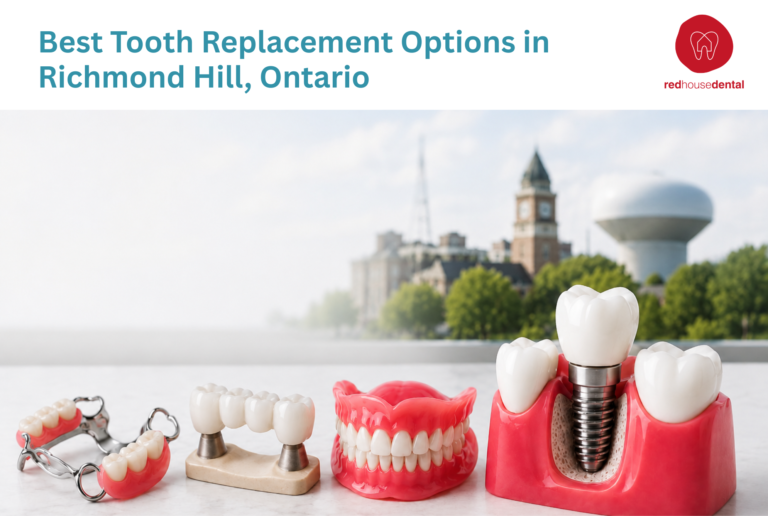
Some people wait many years before thinking about a Dental Implant, even when chewing feels hard or a toothspace keeps bothering them. But the mouth doesn’t forget. A Dental Implant can give your jaw something strong to hold again, and it can help your bite feel normal in a way that feels quiet and natural.
Replacing a tooth isn’t just about looks. It is about eating without fear. Talking without worry. Smiling without hiding. Living without that small but constant stress inside the mouth.
Why so many people trust Red House Dental
Red House Dental, a dental clinic in Richmond Hill, believes care should feel kind, simple, and honest. When you walk in, the team listens more than they talk. They explain slowly. They tell you what you need and do not need. There is no push for extra things.
People who fear the dentist feel calm here because nothing feels rushed, and sedation dentistry is available for patients who need extra support. The rooms are warm. The voices are gentle. The steps are clear.
They try to make each visit feel like someone finally understands what you’re worried about.
When should you ask for help?
If even one of the eight signs sounds familiar, this is a good time to visit a dentist. You do not need to wait until something breaks or hurts badly. Waiting often makes the fix bigger and harder.
A simple visit can show what’s happening inside your mouth. The dentist can explain what choices you have in quiet, easy words. You can then decide what feels right.
Your mouth gives warnings long before big trouble arrives. Listening early helps you stay safe and comfortable.
Conclusion
Teeth are small, but life changes when they aren’t working well. Eating becomes careful. Smiling becomes shy. Talking becomes different. One missing or weak tooth can make the whole mouth work harder.
Fixing a tooth can make your days lighter and help you feel like yourself again.
Red House Dental keeps care simple and honest. If you ever want quiet, friendly guidance, they are ready to listen.
Frequently Asked Questions (FAQs)
Why should I fix a missing tooth if it doesn’t hurt?
Because the gap affects chewing, bone strength, and nearby teeth even without pain.
Will the new tooth look natural?
Yes. It is shaped and colored to blend with your other teeth.
Can I eat normal food afterward?
Once healing is done, you can enjoy most foods again.
Will it hurt?
Most people feel only slight pressure, not strong pain. The area is numbed first.
Should I wait if a tooth is only a little loose?
No. Looseness almost always gets worse with time.