Loss of a tooth may interfere with eating, speaking, and smiling. It is also able to alter the attitude a person has towards appearance. A great number of people seek durable and powerful replacements for missing teeth. One of the most reliable ones is dental implants. They are made to resemble natural teeth. They are also useful in maintaining the jawbone.
There are different types of dental implants, and each one is made for different dental needs. There are those who will be required to replace a single tooth and those who will require full mouth support. That is why it is important to understand what the 3 types of dental implants are and how they are used.
Many patients also ask, are dental implants safe? Dental implants are highly common in Canada, and they are properly installed by certified dentists. They are deemed to be safe and effective when done appropriately.
This guide explains types of implants, how dental implants work, and how to take care of implants.
What Are Dental Implants, and How Do Dental Implants Work?
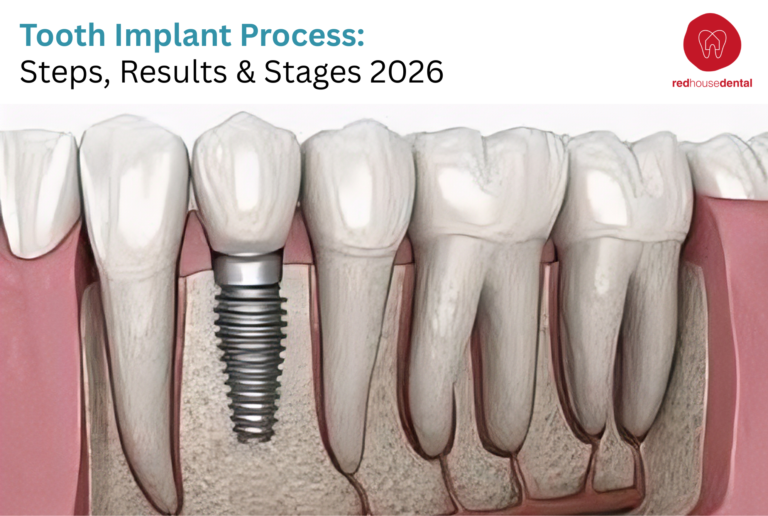
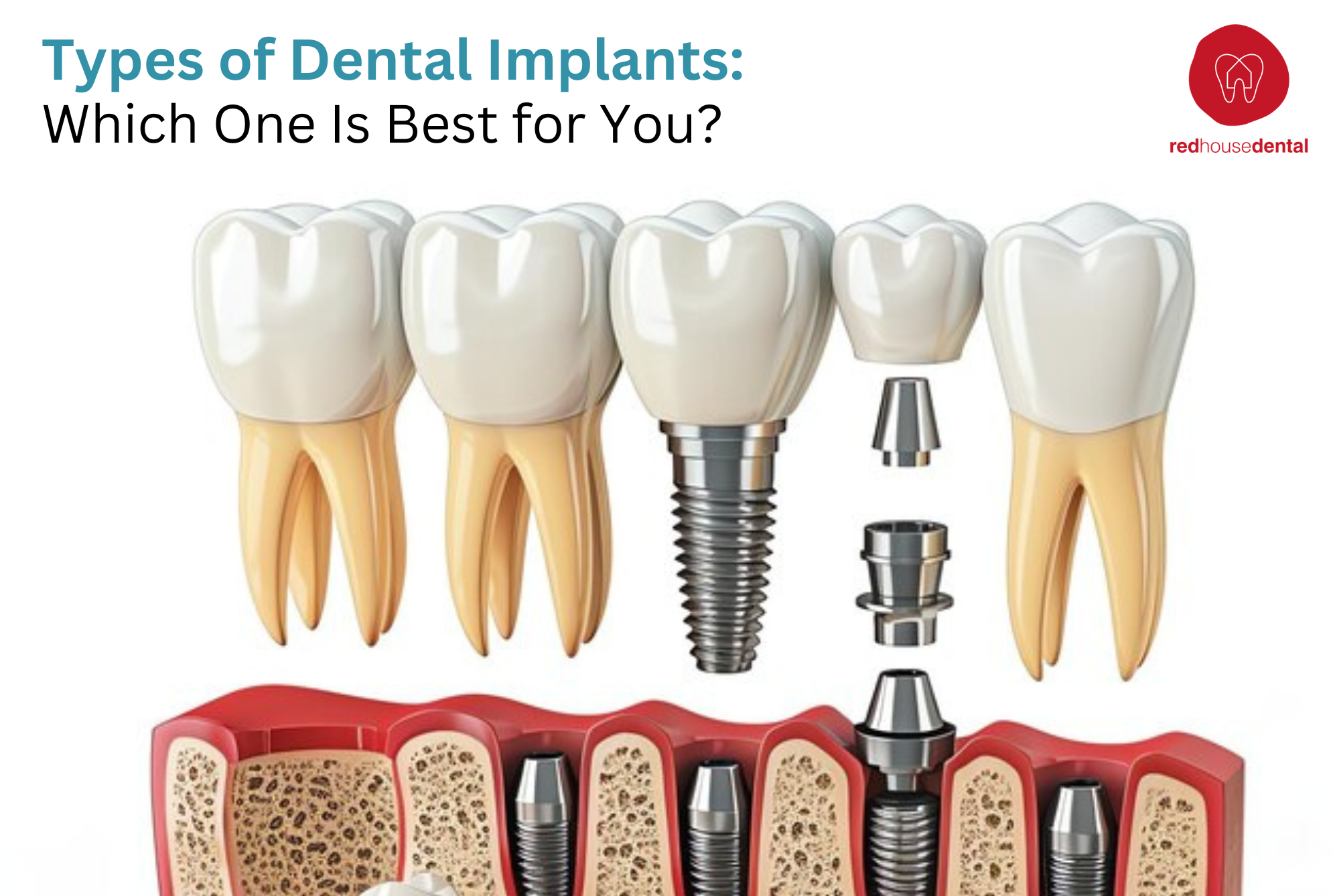
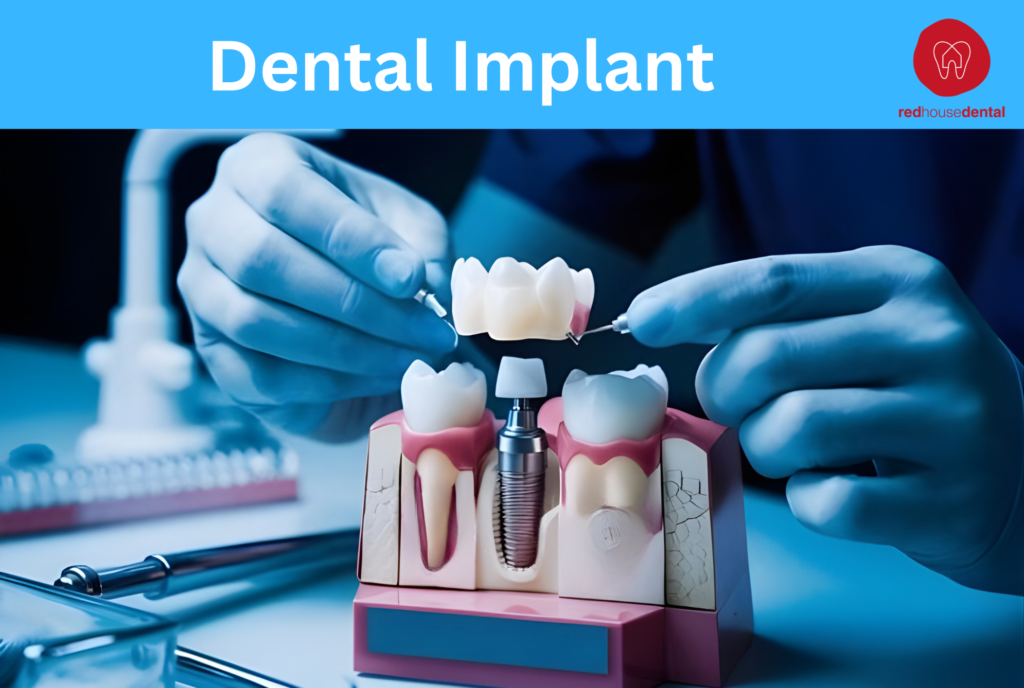
Dental implants are small metal posts embedded in the jaw. They perform as the root of a natural tooth. The majority of the implants are titanium-based. Titanium is not harmful to the body, but it fuses with bone.
The question that most people ask is, ” How do dental implants work? In the first step, the dentist inserts the implant in the jawbone. Eventually, the bone develops around the implant. This makes it firm and stable. Once the healing is completed, a tiny connector is fixed to the implant. Then a crown is placed on top. The crown resembles an actual tooth.
These types of dental implants help restore chewing strength. They also prevent bone loss, which may occur when a tooth is missing. Loss of teeth may make the jawbone shrink. The implants maintain the bone in good health.
Implants are not as loose or mobile as dentures. They feel more natural. They also can be very durable when properly maintained. This is what makes them a first option among those that want a good long-term solution.
What Are the 3 Types of Dental Implants?
Knowing what the 3 types of dental implants are to assist in making wise decisions by patients. The use of modern dentistry has three major types.
Endosteal Implants
These are the most common types of implants. They are placed directly into the jawbone. They usually look like small screws. After healing, a crown is placed on top. They are ideal for patients with strong and healthy jawbones.
Subperiosteal Implants
These implants are placed under the gum but above the jawbone. They are used when the jawbone is not thick enough for regular implants. A metal frame supports the artificial teeth.
Zygomatic Implants
These are less common. They are placed in the cheekbone instead of the jawbone. They are used when there is severe bone loss in the upper jaw.
Each of these types of dental implants serves a special purpose based on bone health and tooth loss.
Endosteal Implants: The Most Common Option
Endosteal implants are the most widely used type of dental implant. They have the shape of small screws or cylinders. They are put in the jawbone by the dentist through a small surgical operation.
Healing requires several months after being in place. In this period, the bone fuses with the implant. With this process, the implant becomes strong and stable. On recovery, a crown is put on.
These types of implants are often used to replace one tooth or several teeth or to support bridges. Many people who choose dental implants in Canada receive endosteal implants because they have a high success rate.
The common question that patients pose concerns the safety of dental implants when installed in the bone. Endosteal implants are not quite novel and they have been utilized over a long period and are known to be safe, as long as it is done by qualified individuals.
It is high supportive, has a natural feel and is comfortable. They are able to take decades with due care in the mouth and frequent check-ups.
Subperiosteal Implants: A Good Option for Low Bone Volume
Subperiosteal implants are used on the jawbone when it is not robust enough to support standard implants. The dentist does not implant deep into the bone; instead, they place a metal frame on the bone below the gum.
The frame has small posts that project through the gum. These posts are then later healed, and the artificial teeth are attached.
These types of dental implants may be helpful for patients who do not want bone graft surgery. Bone grafting is a method of inserting bone in the jaw. Some people shun this additional treatment.
Dental implants in Canada include this option for people with bone loss. The choice of this method is made after careful examination of the mouth by dentists, including X-rays and scans.
Like other types of implants, subperiosteal implants improve chewing and speech. They are also used to aid in facial shape. The gums should be healthy, which can be achieved by properly cleaning them and visiting the dentist regularly.
Zygomatic Implants: For Severe Upper Jaw Bone Loss
Zygomatic implants are applied in special cases. These are larger than ordinary implants and are fitted into the cheekbone (zygomatic bone).
These types of implants are helpful when there is severe bone loss in the upper jaw. The cheekbone is firmer and can support the implant.
This is a more complicated procedure that skilled dental surgeons normally perform. This type is not necessary for all patients. It is commonly applied in the complete replacement of upper teeth.
May patients ask again, are dental implants safe in such advanced cases? Zygomatic implants have a high success rate when placed by trained professionals.
Dental implants in Canada include advanced solutions like this to help patients who may not qualify for regular implants. The aim is to restore functionality and comfort without jeopardizing safety.
Are Dental Implants Safe for Long-Term Use?
Most patients are anxious about surgery. They often ask, ” Are dental implants safe? It is yes for the majority of healthy adults.
Dental implants are not a new practice. The materials are checked and proven to be used in medicine. Dentists must follow strict safety regulations during the process.
The dentist examines the medical history along with gum health and bone health before treatment.This reduces risks. Some individuals with certain health conditions may require special attention.
Mild swelling or soreness can follow surgery. These normally get better in a matter of days.
Dental implants in Canada are placed using modern tools and safe techniques. The health standards in clinics are high.
Implants are a safe and reliable solution when patients follow the instructions and have good oral hygiene. They help regain confidence, improve chewing, and achieve a healthy smile. Preventive treatments such as dental sealants can also reduce the risk of future tooth decay, especially on back teeth.

Choosing the Right Implant and Where to Get Care in Canada
If someone is thinking about dental implants in Canada, they can visit Red House Dental. A dental clinic in Richmond Hill, The team there is kind and caring. They take time to listen and explain everything in simple words. Patients can ask questions and feel safe.
The dentists check the teeth and gums carefully. Then they make a plan that fits the person’s needs and budget. They use modern tools to make treatment gentle and comfortable. If someone has a toothache or broken tooth, they try to give same-day care.
Red House Dental also accepts the Canadian Dental Care Plan. This helps many families get good dental care without worry. There is free parking, so visits are easy.
From the first visit to follow-up care, the team supports every step. They want every patient to smile with confidence and feel happy about their teeth.
Frequently Asked Questions (FAQs)
What are the 3 types of dental implants?
These are endosteal, subperiosteal and zygomatic implants. This will depend on the strength of the bones, loss of teeth and oral health of the patient.
Are dental implants safe for most people?
Yes, dental implants may safely be used under the majority of healthy adults as long as they are put in by skilled dentists and, consequently, they are carefully maintained and serviced on a regular basis.
How do dental implants work?
This is made of titanium and is inserted in the jawbone. The bone heals around it. There is a fake tooth that is attached to the crown as a natural tooth.
How long do implants last?
Implants last several years and in certain instances, last a lifetime with proper oral hygiene and frequent examination of teeth.
How to take care of implants?
Vitally brush your teeth, floss and visit the dentist once in a while, and avoid consuming very hard stuff as it can ruin the implant and gums.