Tooth enamel does not send a warning before it starts breaking down. One day everything feels fine. Then, slowly, things start to feel a little off. A tooth that reacts to cold water. A spot that was not there six months ago. A weird pressure when chewing something that never used to bother you.
These are not random inconveniences. They are the mouth’s way of signalling that erosion teeth and tooth damage are already underway. The earlier these signs are picked up, the easier they are to deal with. Left too long, simple becomes complicated very quickly.
1. Sensitivity That Wasn’t There Before
Hot tea hitting a nerve. Cold water making you wince. A sweet snack causing a jab in a tooth that never bothered you before.
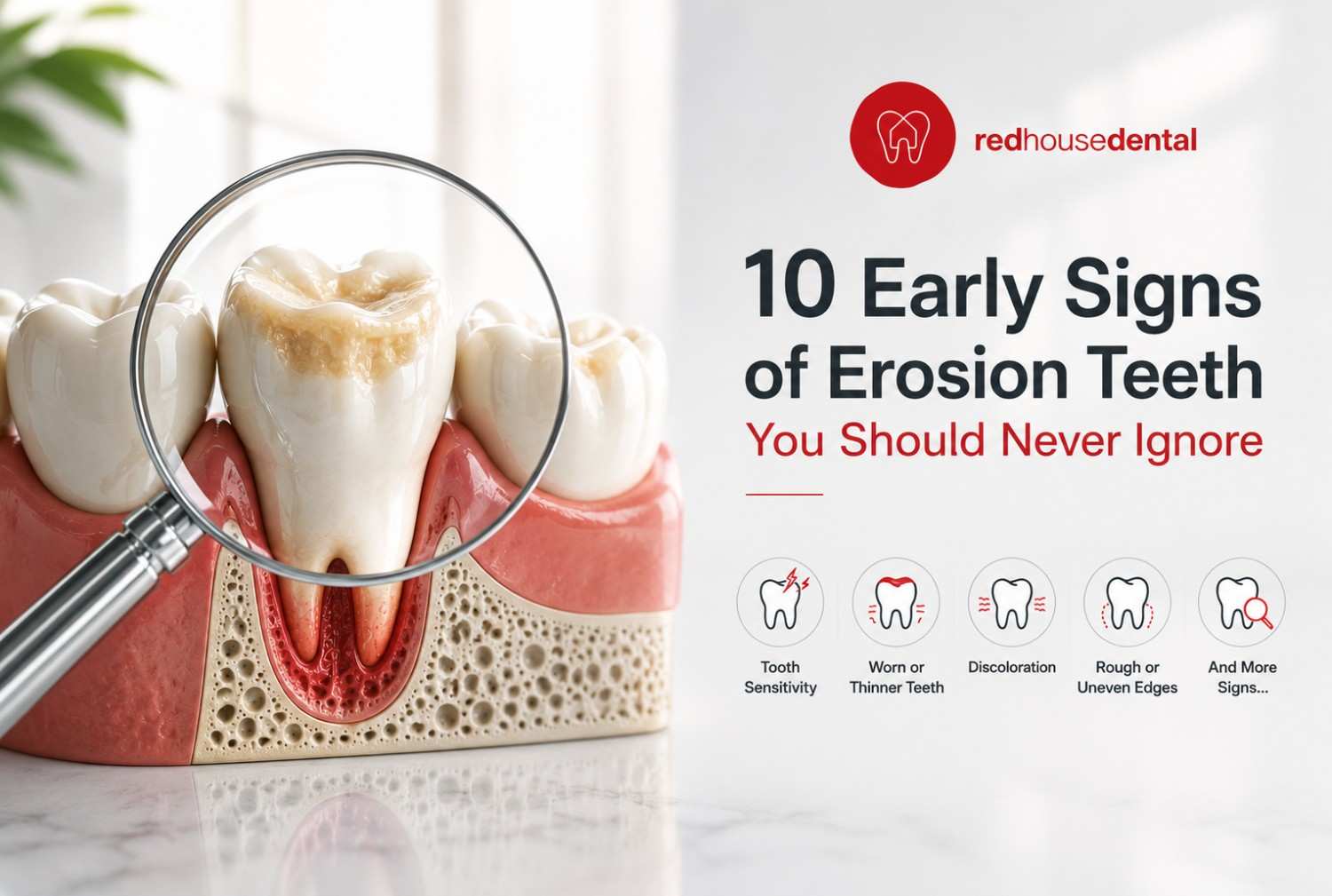
Enamel is the hard outer shell sitting over each tooth. Acid erosion teeth gradually thins that shell, and once the dentine underneath starts to get exposed, things that never caused a reaction suddenly do. Rather than just cutting out the foods and drinks triggering it, get it looked at.
2. Pain That Keeps Coming Back
Occasional tooth pain is easy to dismiss. A dull ache shows up at night, a twinge when biting into something, and soreness that comes and goes over a few days.
Most people take something for the pain and move on. Erosion teeth keeps progressing underneath while that happens, though. ain that keeps showing back up, even mild and sporadic, is worth an actual dental appointment before the damage progresses.
3. Discoloration or Spots
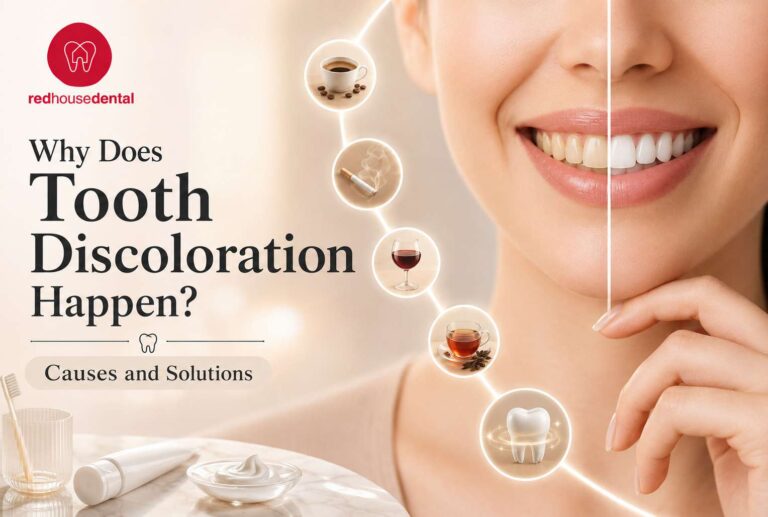
Teeth turning more yellow than they used to is not always a staining issue. Acid erosion teeth wears away the outer enamel, gradually revealing the darker dentine underneath. No whitening product fixes that because the cause is structural rather than superficial.
Dark spots, brown patches, grey areas that brushing does nothing for. These get worse as erosion continues rather than staying the same.
4. Gums That Are Swollen or Pulling Back
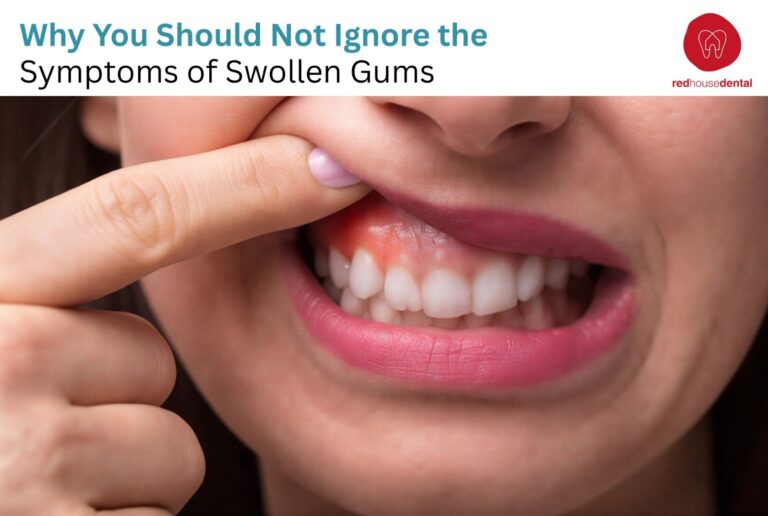
The gumline gets forgotten while people focus on the teeth. Swelling, puffiness, and gums retreating from the tooth surface. All of these require proper attention.
Retreating gums mean more of the root is sitting exposed. Root surfaces have far thinner protection than the crown, leaving them considerably more open to further erosion and tooth damage.
5. Bleeding or Pus Around the Gums
Seeing a bit of blood when brushing is something many people accept as part of life. It is not normal, though. Bleeding at the gumline indicates inflammation, and inflammation has a cause.
An abscess forming or pus around the gum tissue is a step beyond that. An emergency dental appointment rather than a wait-and-see approach is the right call at that point.
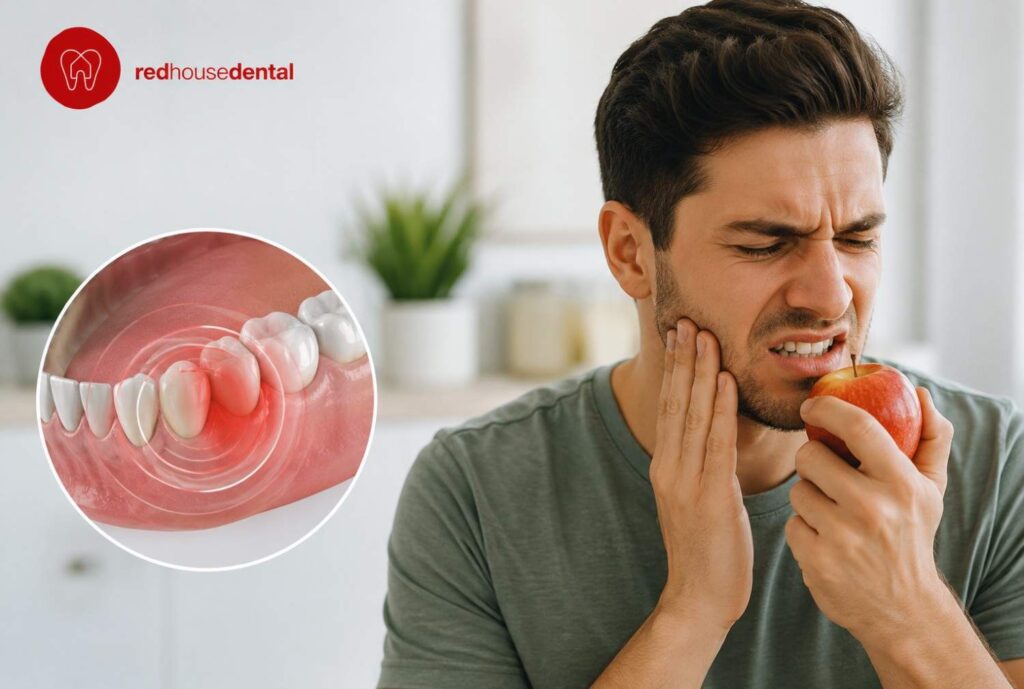
6. Pressure or Weakness While Chewing
Teeth are supposed to handle chewing without effort. When biting down suddenly needs noticeably more force, or particular teeth feel like they are taking too much pressure during a normal meal, that is worth flagging.
Significant enamel erosion is often the underlying cause of that kind of weakness. Getting in to see a dentist before things reach this stage is exactly what knowing how to protect enamel is about.
7. Cavities Appearing More Frequently
Cavities turning up at back-to-back checkups, or appearing in spots that were never an issue before, often have acid-eroded teeth sitting behind them.
Enamel is what keeps decay-causing bacteria from getting a foothold on the tooth. Thin enamel means cavities get going in places that would normally hold up fine. Filling each new cavity without addressing the erosion beneath it is just treating the result, not the cause.
8. A Tooth That Feels Loose
Adult teeth are not supposed to move. Any looseness in a previously stable tooth is serious and should not be left untreated.
Erosion teeth damage that reaches this point has usually been building for quite some time. The bone and tissue supporting the tooth have been compromised, so the tooth can no longer remain properly anchored. This needs immediate dental attention, not a note to mention at the next routine checkup.
9. Bad Breath That Won’t Clear Up
Bad breath that sticks around despite brushing and flossing gets put down to diet or not cleaning well enough. Sometimes, though, active damage beneath the surface is what actually drives it.
Bacteria settle into eroded enamel and into the pockets forming around teeth that have been structurally compromised. Surface cleaning does not reach the source of the smell when the source is structural rather than superficial.
10. A Weird Taste That Lingers
A persistent odd taste that has nothing to do with anything recently eaten is worth taking notice of. This kind of taste tends to signal something happening in the mouth at a depth a toothbrush is not getting to.
Structural damage, infection, gum disease. Any of these can produce a taste that just sits there and will not shift. More than a few days of it, and a dentist needs to take a proper look.
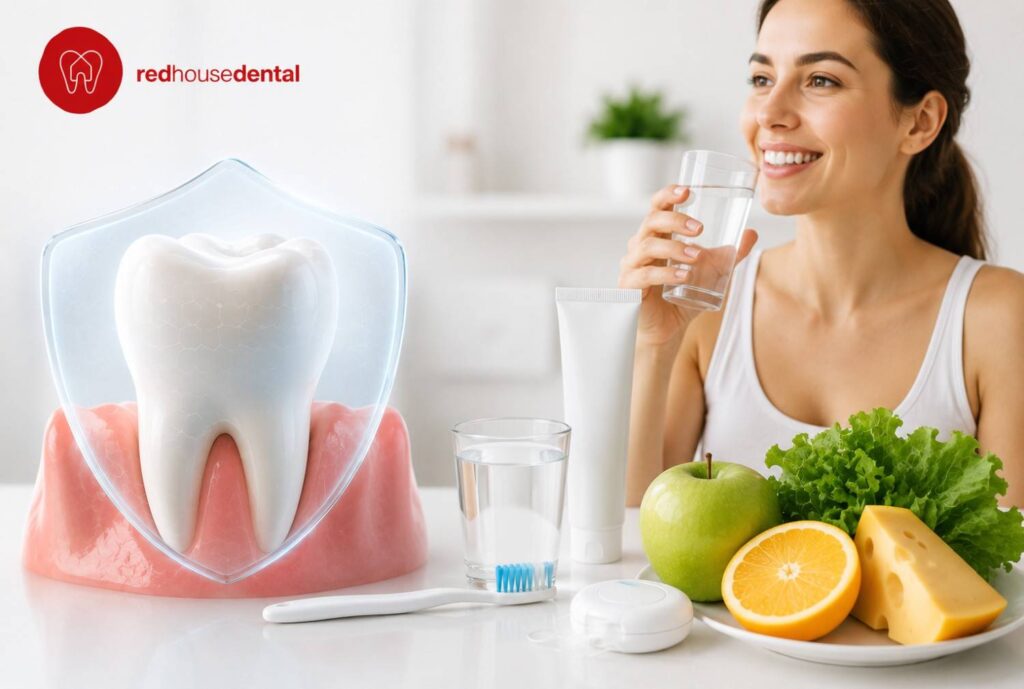
How to Prevent Tooth Enamel Erosion
Getting clear on how to prevent tooth enamel erosion is genuinely the most useful step someone can take before these signs start showing up.
Diet and Drink for Erosion Teeth
- Soft drinks, citrus juices, and sports drinks sit at the more acidic end and are worth pulling back on
- Water through the day rinses acid off tooth surfaces consistently
- A straw keeps acidic drinks away from direct contact with enamel
- Give it at least 30 minutes after anything acidic before reaching for the toothbrush
Daily Habits for Erosion Teeth
Knowing how to protect enamel really just comes down to a handful of habits done consistently rather than occasionally.
- Brush twice daily with fluoride toothpaste designed for enamel protection
- Soft-bristled brush, gentle pressure, no hard scrubbing
- Floss daily to clear bacteria from between teeth where a brush cannot go
- Stay hydrated since dry mouth reduces saliva which naturally buffers acid
Professional Care:
How to prevent tooth enamel erosion long term also means what gets done at the clinic, not just at home.
- Checkups every six months catch early tooth enamel acid erosion before it progresses.
- A dentist can identify acid erosion teeth patterns and recommend specific protective treatments
- Professional fluoride treatments offer stronger enamel protection than home products alone.
Red House Dental in Richmond Hill
Red House Dental, a dental clinic in Richmond Hill, at 38 Arnold Crescent, Richmond Hill, ON. Tooth enamel acid erosion gets checked at every routine appointment here, not just when patients arrive with obvious symptoms already developing.
Catching erosion teeth damage early keeps small problems from becoming large ones. The team explains what is driving any erosion found, what changes at home genuinely help, and what professional treatment fits each specific situation.
Red House Dental accepts the Canadian Dental Care Plan for eligible patients.
Frequently Asked Questions (FAQs)
What causes erosion teeth in the first place?
Fizzy drinks. Citrus. Acid reflux. Frequent vomiting. All of these keep bringing acid into contact with enamel, and that acid just keeps working away at it whether anyone notices or not.
How do I know if tooth enamel acid erosion is happening to me?
Cold water suddenly hurting a tooth that never reacted before. Teeth looking more yellow than they used to. Teeth that seem a bit shorter or more rounded than they were. Any of that showing up, bring it to a dentist rather than waiting to see if it settles.
Enamel is already gone. Can anything be done?
It does not grow back, no. But a dentist can significantly slow further damage and protect what remains. The sooner that happens, the more is left to protect.
What actually helps protect enamel day to day?
Less fizzy and acidic drinks. A fluoride toothpaste built specifically for enamel rather than just whitening. More water. Regular checkups. None of it is complicated; the hard part is just doing it consistently.
How to prevent tooth enamel erosion when acid reflux is the problem?
The reflux itself needs to be managed, not just the teeth. Stomach acid reaching the mouth over and over is what is doing the damage. A doctor and a dentist working together on this tends to yield better results than treating either side alone.