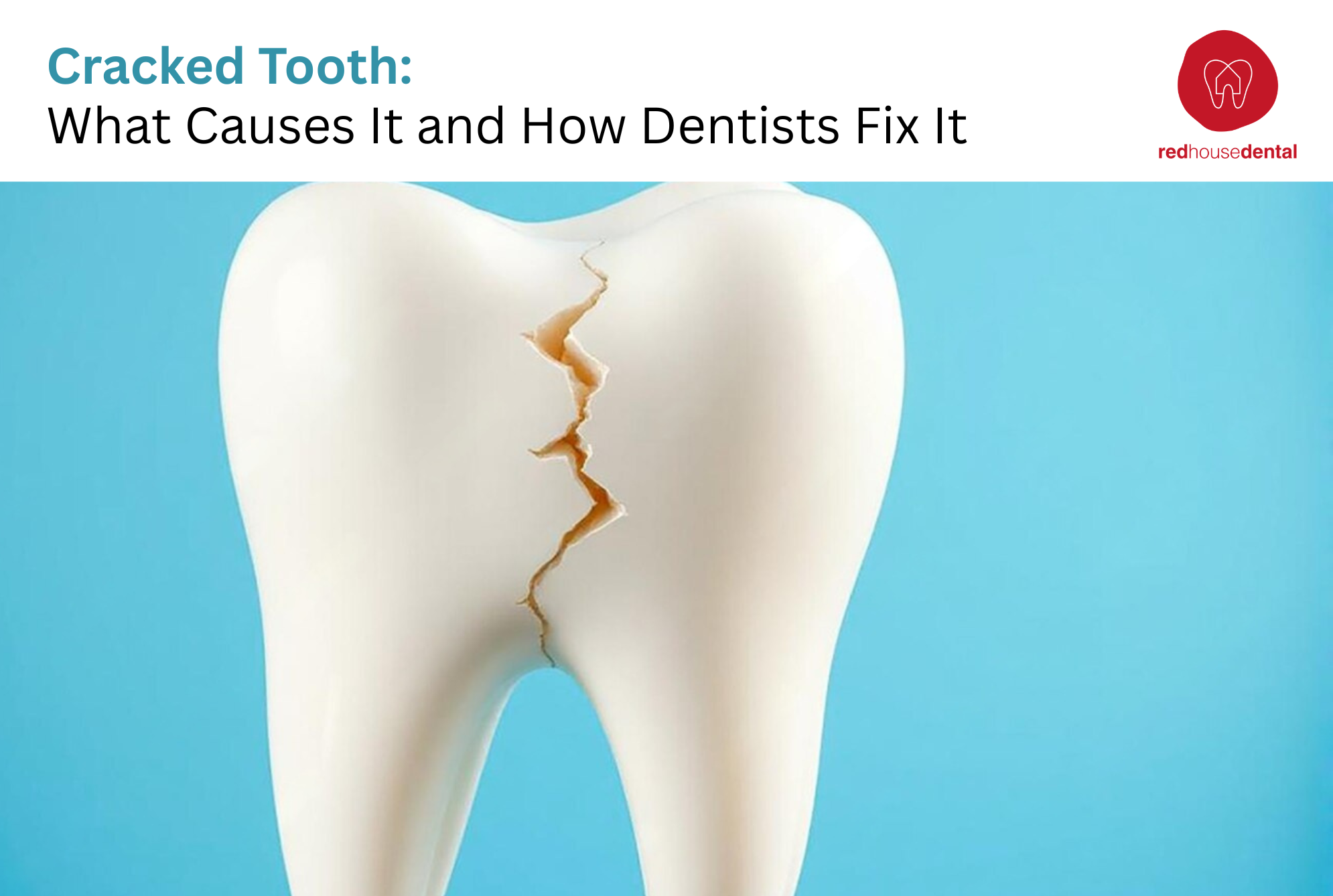
A cracked tooth is not like a cavity. Cavities show up on X-rays. You fix them, they stay fixed. A cracked tooth is messier than when the pain comes and goes, the crack often cannot be seen, and even dentists sometimes need multiple appointments to confirm what is actually happening.
The inconsistency is what throws people off. Some days, the tooth feels completely normal. Other days, biting into bread sends a sharp jolt through the jaw. These are often early cracked tooth symptoms that people ignore. So patients wait, thinking it might resolve on its own.
It never does. Recognising the signs of a cracked tooth early can prevent more serious dental problems.
What Causes a Cracked Tooth
Grinding. The big one. Bruxism, grinding or clenching at night, puts sustained pressure on teeth for hours at a stretch. The enamel does not crack overnight. It fatigues slowly over months and years, develops invisible stress lines, and eventually gives way. Most people who grind don’t realize they do it until a dentist shows them the wear patterns.
Biting hard things: Ice is responsible for more cracked teeth than any other single food. Hard candy, popcorn kernels that did not pop, crusty bread, nuts. The force is localised and intense. A tooth under stress from grinding is especially vulnerable.
Old fillings: A tooth with a large amalgam filling from twenty or thirty years ago has less natural structure left around it. The remaining walls are thinner. Cracks in the walls of heavily restored teeth are extremely common in patients over 45.
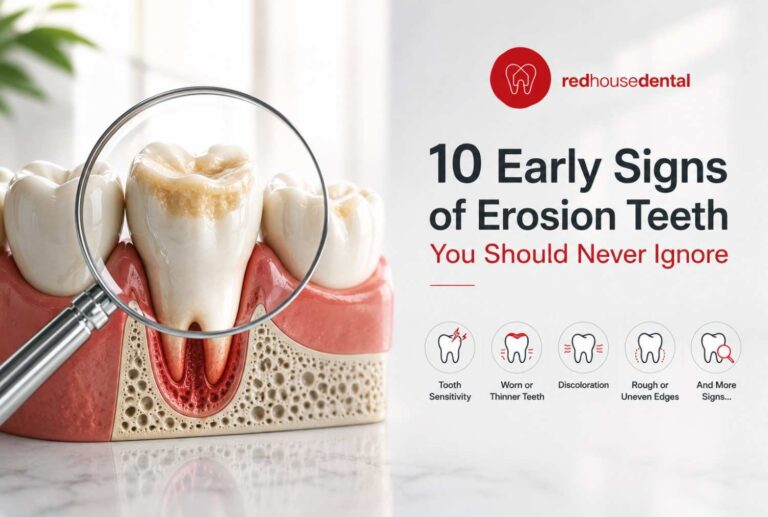
Temperature extremes: Hot coffee straight after cold water. Repeated rapid temperature changes expand and contract tooth structure over time. Not a dramatic single event, just slow cumulative stress on the enamel.
A blow to the mouth: Falls, sporting impacts, and car accidents. A force that does not completely fracture the tooth can still introduce internal cracks that become symptomatic weeks or months later. Patients sometimes cannot connect the painful tooth to an incident that occurred 6 weeks earlier.
Getting older: Enamel becomes more brittle over time. Teeth in their 50s and 60s crack more readily than teeth in their 20s. No dramatic cause is needed sometimes just decades of use catching up.
Cracked Tooth Symptoms
This is where it gets frustrating. Cracks are genuinely difficult to diagnose—for patients and dentists alike. Recognising cracked tooth symptoms early makes diagnosis easier.
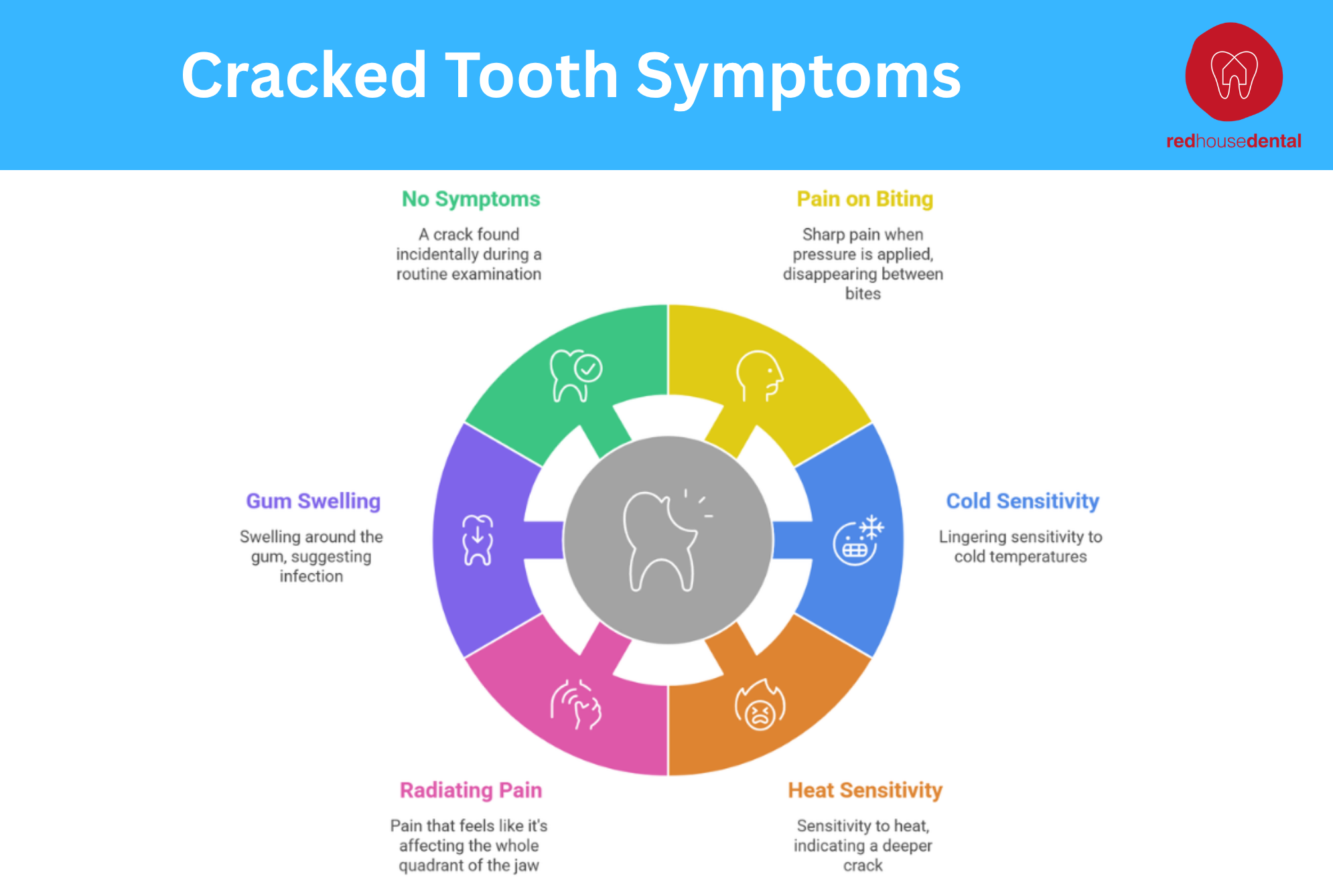
The most telling sign is pain on biting that disappears between bites. Not constant. Not throbbing. Sharp when pressure is applied, gone moments later. The release-of-pressure pain is even more specific to cracks a sharp jolt when the bite comes off rather than when it goes on. That particular pattern almost always points to a crack and is one of the key signs of a cracked tooth.
Cold sensitivity that lingers. Not just a brief sting sensitivity that hangs around for 20 or 30 seconds after the cold is gone. Heat sensitivity also appears in teeth where the crack has gone deeper.
The other strange feature of crack pain: patients frequently cannot tell which tooth is causing it. The pain radiates. It feels like the whole quadrant hurts, not just one specific tooth. This is not imagination; it is simply how crack pain travels through the jaw structure. Dentists use bite tests on individual cusps to narrow down the diagnosis.
Swelling around the gum near the tooth suggests that the crack has allowed bacteria in and that an infection is developing. That moves things into more urgent territory.
And sometimes no symptoms at all. A crack was incidentally found during a routine examination of a tooth for which the patient had no complaints. Even without obvious cracked tooth symptoms, early detection matters.
How to Fix a Cracked Tooth
Treatment depends on where the crack sits and how far it has gone. There is no universal fix, which is why understanding how to fix a cracked tooth properly is important.
Dental Bonding
Only useful for superficial cracks confined entirely to enamel with no structural involvement. Bonding material seals the crack and prevents bacteria from entering. Quick, done in one appointment.
Not a structural solution. If the crack goes into dentin, bonding does not hold the tooth together under biting force. A dentist who recommends bonding for a deep crack is not treating the actual problem.
Dental Crown
The most common treatment for a cracked tooth that has compromised the structure but has not reached the pulp is a dental crown. A crown wraps around the entire tooth, it holds the cracked portions together, stops the flexing that causes the biting-and-release pain, and prevents the crack from extending further with every chewing cycle. This is often the most reliable way for how to fix a cracked tooth in moderate cases.
Important to understand: the crack does not go away. It remains. The crown controls the mechanical situation, so the crack cannot worsen. Two appointments. First, it shapes the tooth and places a temporary filling. Second, set the permanent crown from the lab. Material depends on which tooth and how much force it takes.
Root Canal and Crown
When the crack has reached the pulp—the nerve and blood supply at the centre of the tooth—the pulp is either already infected or will be. A root canal removes the damaged tissue, cleans the canals, and seals everything, and then the tooth gets a crown.
The crown is not optional after a root canal on a cracked tooth. Without it, the tooth is structurally at risk of splitting further.
Root canals are genuinely not as bad as their reputation. The procedure is done under local anaesthesia. The pain people fear is almost always the infection that preceded the appointment—not the treatment itself. Most patients are surprised by this.
Extraction
A crack that has travelled down into the root cannot be saved. Nothing crowns, bonds, or splints a root fracture into stability. The tooth comes out. This is not the typical outcome—it is what happens when a cracked tooth has been left long enough or when the crack has initiated in a particularly bad location.
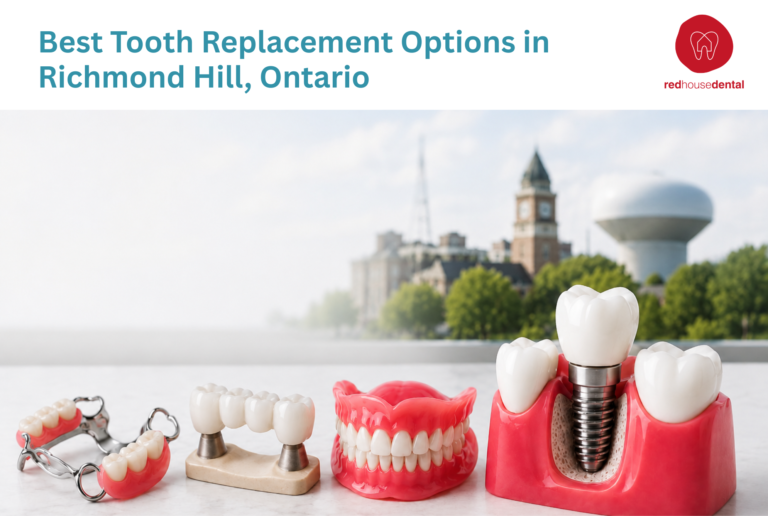
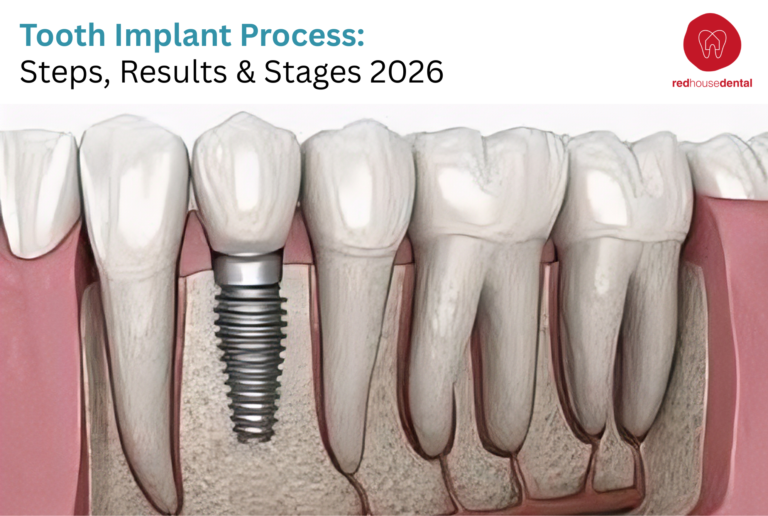
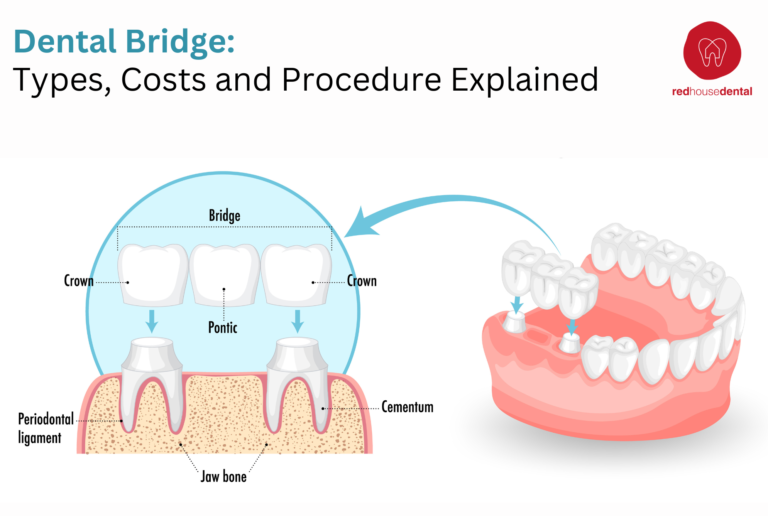
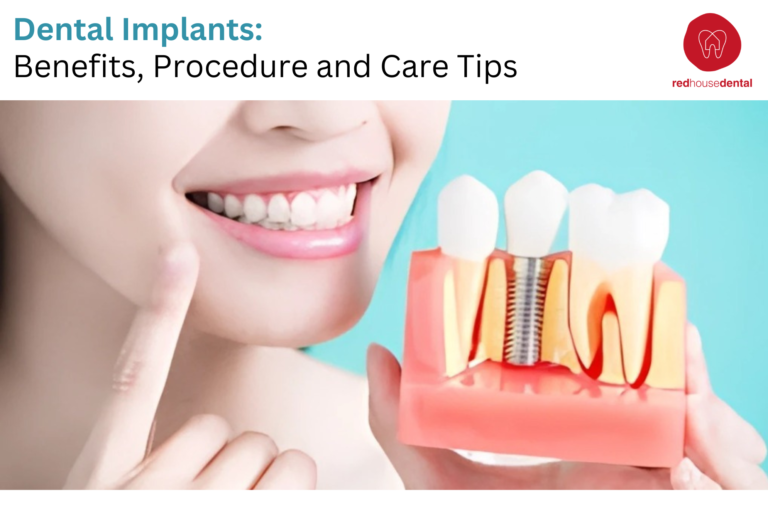
If the tooth cannot be saved, a dental implant is one of the most reliable long-term replacement options, alongside a bridge or partial denture.
How to Fix a Cracked Tooth Naturally
Cannot be done. That is the complete answer. Despite many searches for how to fix a cracked tooth naturally, there is no real solution.
Tooth structure does not self-repair. Bone heals teeth do not. A crack in enamel or dentin stays exactly as it is or gets worse. No oil pulling, no remineralizing toothpaste, and no supplement closes a crack. Anyone suggesting to fix a cracked tooth naturally is describing symptom management, not treatment.
While waiting for a dental appointment, avoid biting on that side, skip hard and cold food, use over-the-counter pain relief if needed, and rinse with warm salt water. These things make the wait more bearable.
How Much Does It Cost to Fix a Cracked Tooth
Treatment type drives cost more than anything else.
Bonding for a surface crack sits at the lower end, similar to any minor bonding repair. A crown typically runs between $300 to $600 per tooth, depending on the material and the clinic. Root canal treatment added to that pushes the total higher. A combined root canal and crown represents the most expensive end of cracked tooth repair in most Canadian practices.
Most dental insurance plans cover crowns and root canals under restorative benefits, about 50% of the costs, subject to annual maximums and waiting periods.
The CDCP covers certain restorative treatments for eligible patients. At Red House Dental, a dental clinic in Richmond Hill, we accept the CDCP and give you clear pricing before any treatment begins, including clarity on how much does it cost to fix a cracked tooth.
Get An Appointment with Red House Dental
A cracked tooth does not heal on its own. Every chewing cycle deepens the crack a little. The window for a crown closes, and the tooth is treated with a root canal. The window for a root canal closes, and the tooth is extracted. Acting early means more options and simpler treatment.
Pain on biting, lingering cold sensitivity, discomfort you cannot quite locate—come in. We keep spots available for situations like this.
- Call: +1 (905) 883-4643
- Visit: 38 Arnold Crescent, Richmond Hill, ON L4C 3R5
- Email: reception@redhousedental.com
- Hours: Monday to Friday 8 am to 6 pm | Saturday 9 am to 3 pm.
Frequently Asked Questions (FAQs)
Can a cracked tooth heal on its own?
No. A tooth is not a bone. It does not repair itself. The crack sits there, getting worse every time you chew on it. Waiting does nothing.
How do I know if it is a crack and not just sensitivity?
Sensitivity is general. Crack pain is specific—sharp when you bite down, sometimes sharper when you release. That releases pain, especially. If that is what you are feeling, come in and get it checked rather than guessing.
Is it a dental emergency?
Swelling, severe constant pain, a visible split down the tooth—yes, call us today. Intermittent pain that comes and goes with no swelling urgent, but not same-hour urgent. It still needs to be seen soon, though. Do not leave it for months.
Does a crown actually fix it?
The crown stops the crack from getting worse. It holds everything together so the tooth stops flexing when you bite. The crack itself does not disappear; it is sealed under the crown. But the pain goes away, and the tooth functions normally.
What if I leave it?
The crack goes deeper. Eventually, bacteria get in. Then it is either a root canal or the tooth comes out entirely. What could have been a straightforward crown becomes something far more involved. Earlier is always better with cracks—there is no version of this where waiting pays off.