Straight teeth lead to good oral health. For many children and teenagers, braces help position teeth as needed. Braces are more than appearance. They also assist in chewing, speaking, and maintaining clean teeth.
At Red House Dental, dental services are provided to families with care in a relaxed, welcoming atmosphere. This guide explains braces for children and teenagers in a child-friendly manner, helping parents and young patients feel knowledgeable and confident.
What Are Braces?
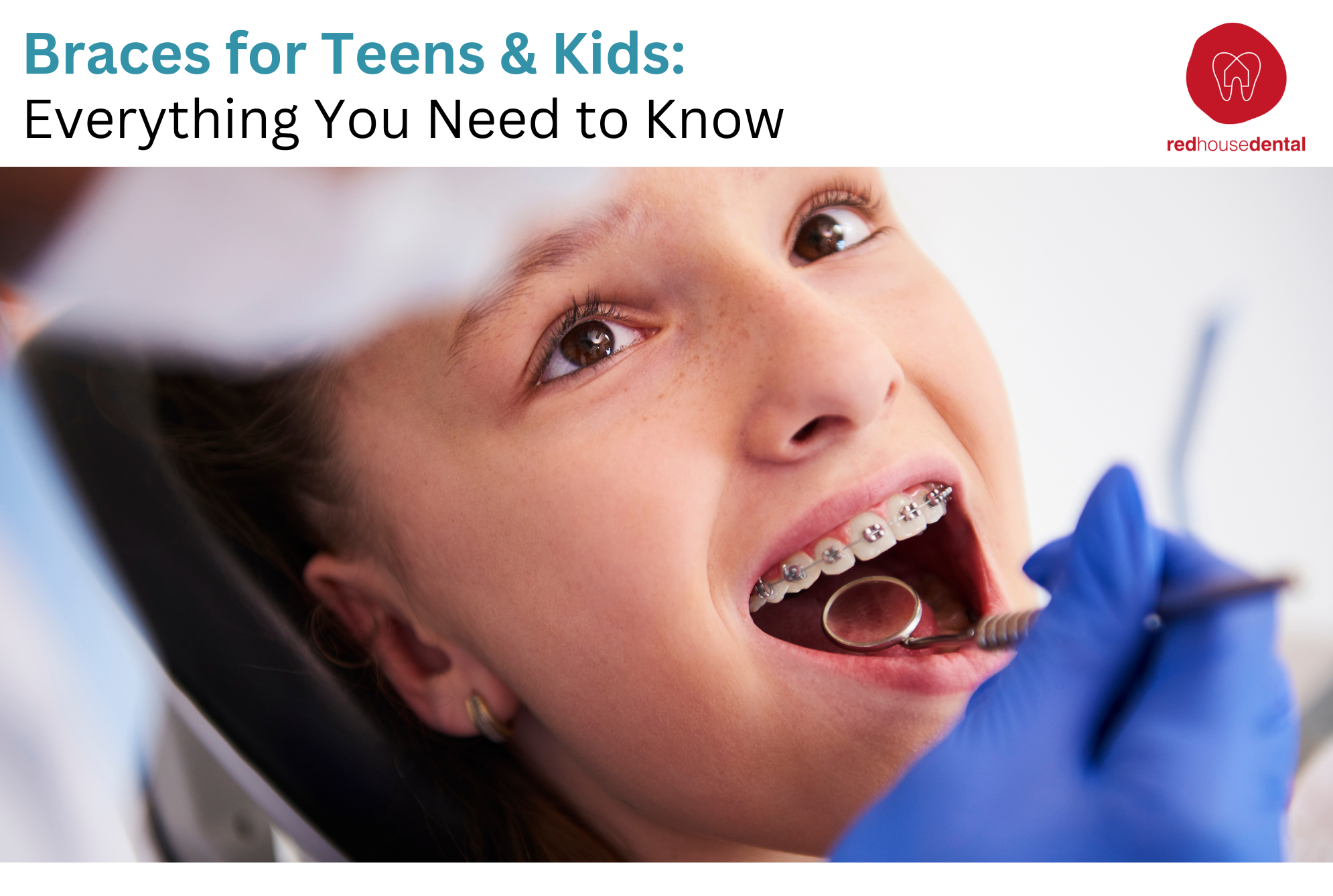
A dental tool used to move teeth into a better position gradually is called a brace. They operate through pressure over time, which is light and consistent. This light pressure helps move crooked, crowded, and uneven teeth into a healthier position.
Most common dental issues, such as missing interstitial space, overlapping teeth, and bite errors, can be corrected using braces.
Since children and teenagers are in their developing stages, their teeth and jaws usually respond positively to the treatment. Braces can be safe when done strategically and under observation by trained dental personnel.
At Red House Dental, the use of braces is done slowly and in a considerate manner. The dental team discusses every procedure with the children to make it clear that they know what is going on and are at ease during the procedures.
Why Kids and Teens May Need Braces
Most children are born with misaligned jaws or teeth that do not align. Specific issues are more pronounced with the evidence of adult teeth.
Common reasons braces are needed include:
- Teeth that are crowded or overlapping
- Large gaps between teeth
- Teeth that stick out
- Bite issues (overbite or underbite).
- Difficulty with proper chewing of food.
Braces are used to avoid future oral problems and contribute to oral health.
The Best Age for Braces
There is no single “perfect” age for braces. However, many children begin therapies at the age of 9-14. At this age, the jaw is still developing, and hence it is easy to manipulate teeth.
A dental check at an early age is a determinant of when. There are those children who require monitoring, and there are others who need early care.
At Red House Dental, our pediatric dentist takes time to examine each child individually and recommends treatment only when it is genuinely needed.

Types of Braces for Kids and Teens
There are various forms of braces. The dentist will propose the best alternative depending on the needs, comfort, and lifestyle of the child.
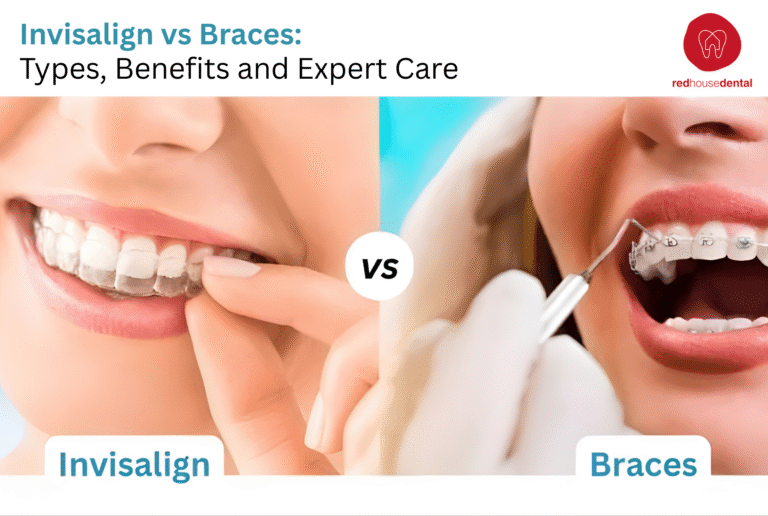
Metal Braces
These are the most popular braces for teens and adolescents. They refer to minor metal brackets and wires to move teeth.
- Strong and effective
- Applicable to a majority of dental problems.
- Frequently, the cheapest alternative.
Ceramic Braces
Ceramic braces work like metal braces but are tooth-coloured.
- Less noticeable
- Suitable for teens who want a more subtle look
- Require careful cleaning
Invisalign for Teens
Invisalign uses clear, removable aligners.
- Almost invisible
- Easy to remove for eating and brushing
- Works best for mild to moderate cases
At Red House Dental offers both traditional braces and Invisalign to support different needs.
Braces for Teens: What Makes Them Different?
Teen braces are made keeping the expanding mouths in mind. The speed of teen treatment is also usually a step further than that of adults, since bones are not fully developed.
Teens are also able to participate in school, sports, and social work. Planning allows dentists to accommodate the day-to-day lives and make treatment effective and comfortable.
Guidance and frequent follow-ups are helpful in keeping the teens on track.
What to Expect During the Bracing Process
First Visit
The initial check-up consists of examination and X-rays, where necessary. The dentist also tells the parents and teens about what is going on with the teeth and explains alternatives.
Treatment Plan
An individualized strategy is developed. It describes the kind of braces, duration of treatment, and care procedures.
Getting Braces On
Placing braces is painless. This lasts approximately one to two hours. A minor soreness in some cases may also take place during a few days when teeth start to move.
Regular Check-ups
The adjustments are made every few weeks. Such visits contribute to steady and safe progress.
After Braces
Retainers are essential once braces are removed to ensure that teeth are in place. It is highly necessary to wear retainers as recommended.
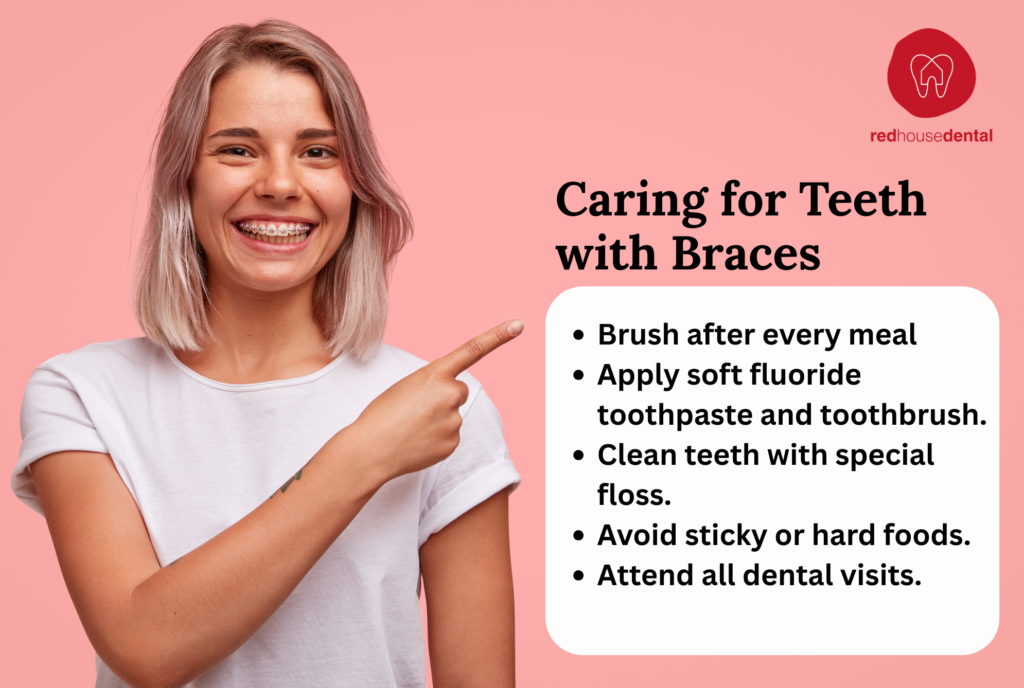
Caring for Teeth with Braces
Oral hygiene is critical to the treatment. Helpful tips include:
- Brush after every meal
- Apply soft fluoride toothpaste and toothbrush.
- Clean teeth with special Dental floss.
- Avoid sticky or hard foods.
- Attend all dental visits.
At Red House Dental offers clear instructions and support to assist kids and teens in taking care of their braces.
Are Braces Painful?
Braces should be removed very slowly at the beginning or following changes. This usually lasts a few days.
Pain can be managed with:
- Soft foods
- Cold compresses
- Over-the-counter analgesia, when prescribed.
The dental staff makes treatment gentle and supportive.
How Long Do Braces Take?
Treatment length varies. Most children and teens wear braces for 12 to 24 months.
The timeline depends on:
- Type of dental issue
- Type of braces used
- How well are care instructions followed?
Regular visits help keep treatment on schedule.
Braces and Daily Life
Children and teens can continue normal activities with braces.
School and Sports
Mouthguards are recommended for sports. Braces do not stop participation in physical activities.
Eating
Some foods should be avoided, such as hard candy or popcorn. Soft, healthy foods are best.
Confidence
Many teens feel unsure at first, but confidence often improves as teeth straighten.
Cost and Coverage in Canada
The use of braces is a long-term investment in oral health. The prices are different according to the type and duration of treatment.
At Red House Dental, they take the Canadian Dental Care Plan (CDCP). The staff makes families learn about the coverage and expenses without any hidden costs.
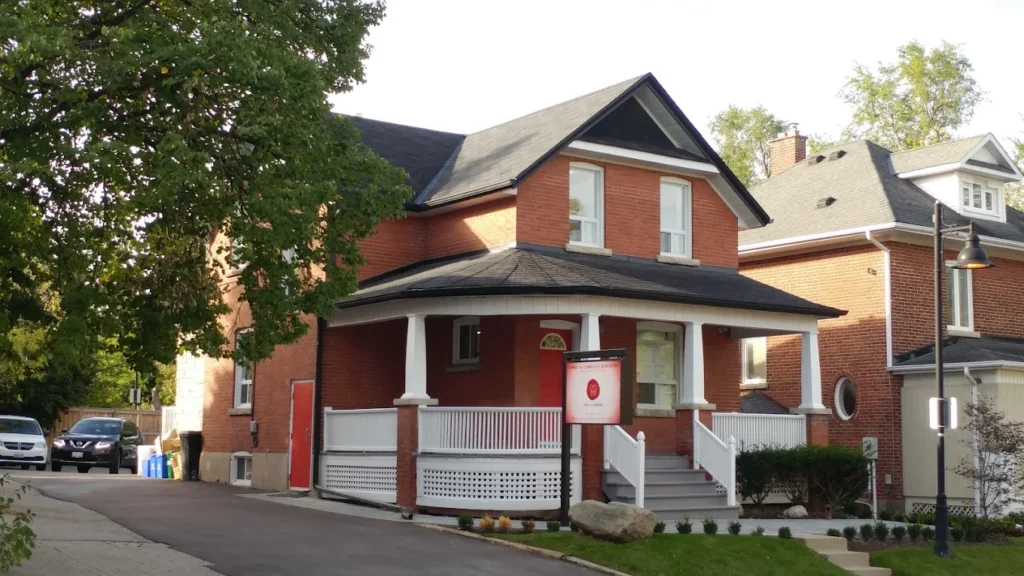
Why Families Choose Red House Dental
Families trust Red House Dental, a dental clinic in Richmond Hill, because of its caring approach and professional standards.
Key reasons include:
- Experienced dental team
- Honest recommendations
- Fair and transparent pricing
- Modern technology
- Same-day emergency care when possible
- Free parking and easy access
Each child is treated with patience and respect.
Supporting Kids Emotionally During Braces
For children who feel especially anxious about dental procedures, sedation dentistry may be discussed when appropriate. Good explanations and reassurance will ease the concerns. Children become relaxed when they know what to expect.
At Red House Dental, dentists also spend time explaining each step using simple terms. Parents form part of any decision, and this makes children feel as though they have someone who is on their side and safe during the course of treatment.
Conclusion
Braces make children and teens have lifelong healthy smiles. Treatment can be effective, safe, and easy with proper care.
The families at Red House Dental are given quality and customized services through a friendly atmosphere. All the steps, starting with the initial visit and continuing with the aftercare, are outlined in a clear and gentle manner.
Those parents who want to place braces on their child may make an appointment to learn more about it and make the right decision with certainty.
FAQs
1. Do all kids need braces?
No. Other children are just born with well-set teeth. A check-up will determine whether braces are necessary.
2. Is Invisalign safe for teens?
Yes. When used correctly, Invisalign is safe and effective among most teens.
3. What is the frequency of check-ups?
The majority of patients attend after four or six weeks of treatment.
4. Do braces correct speech problems?
In some cases, yes. Tooth position could be improved, which could lead to better speech.
5. What would occur should one of the brackets break?
Contact the dental clinic. The repair is usually fast and easy.