Many people spend years feeling weird about a gap in their teeth. They smile with their mouths closed in photos. They cover their mouth when they laugh. And most of them have no idea how simple it actually is to fix.
If you have got a tooth gap, whether it is tiny or noticeable, this guide is for you. We will cover what diastema actually means, why gaps happen, and what your real options are. No fluff, no complicated terms. Just clear, useful information.
What Exactly Is Diastema?
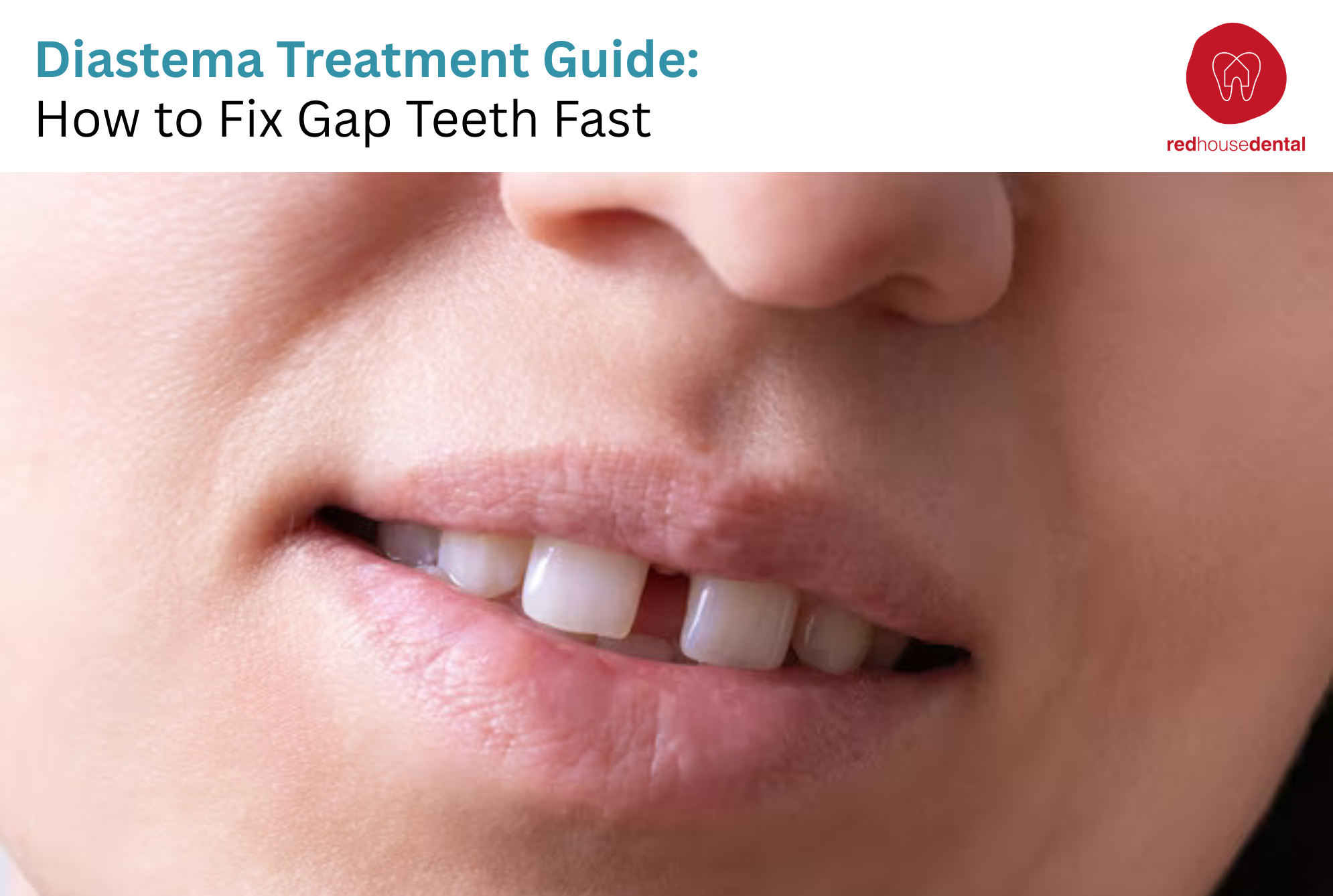
“Diastema” is just the dental word for a gap between teeth. That is it. There’s nothing scary about it.
Most people have it between their two front upper teeth that is the most common spot. But gap teeth can show up anywhere in your mouth. Sometimes it is barely visible. Sometimes it is quite wide. Either way, it is more common than most people realize.
Here is something that surprises many patients: children often have a tooth gap early on, and it closes all by itself once adult teeth grow in. When it does not close on its own or when it appears later in life that is when treatment makes sense.
Diastema is not dangerous. It is not a sign that something is seriously wrong. It is a dental condition that can be fixed.
What Causes a Gap Between Teeth?
Dental Gaps or Diastema do not just appear out of nowhere. There is usually a specific reason behind them. Here are the most common ones.
The tissue behind your upper lip
There is a small piece of tissue that connects the inside of your upper lip to your gum line. It is called the labial frenulum. In some people, this tissue is larger than normal and actually sits right between the two front teeth physically holding them apart.
You can check this yourself. Draw your top lip upwards and check yourself in the mirror. If the tissue extends all the way down to the area between your teeth, that may be the culprit.
Your teeth are just smaller than your jaw
Some peoples are born with naturally small teeth relative to the size of their jaw. When it does, they are left with space and that space must have an outlet. It shows up as parted teeth. It is genetic, and you can blame (or credit) your parents.
Gum Disease
This one is serious and should not be ignored. When the gum and bone tissue that hold your teeth in place start to break down, teeth can start to shift. A sudden gap or a widening gap might be a sign of gum disease. If that is the case, get to a dentist quickly not just for the gap, but for your overall oral health.
Old Habits That Left a Mark
Kids who suck their thumbs for a long time can push their front teeth outward. There is also a condition called tongue thrusting, in which a person pushes their tongue against their front teeth when they swallow. Both habits can create or worsen a diastema over the years.
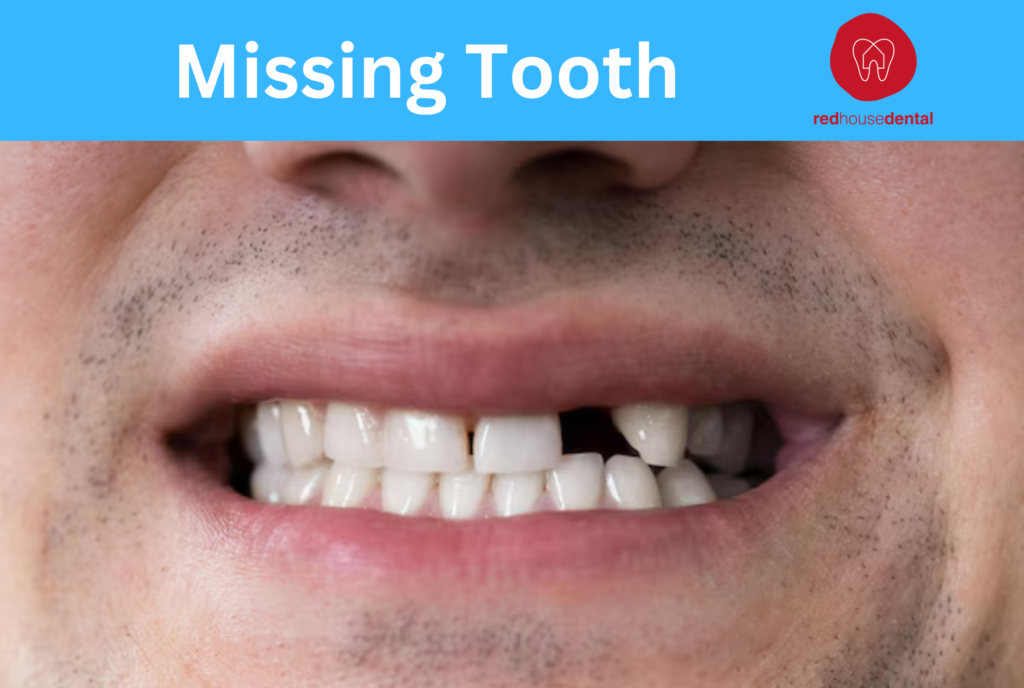
A Missing Tooth
When a tooth is gone, the teeth on either side of the space tend to drift toward it. This shifting can open up new gaps in other parts of the mouth, too.
Who Actually Gets Gap Teeth?
Honestly? A lot of people. Studies show diastema is especially common in people of African descent, but it shows up across all ethnicities and age groups. It runs in families, and it can also develop over time due to lifestyle or dental habits.
In some parts of the world, a tooth gap is attractive. In others, it carries a stigma. What matters is how you feel about yours, not what anyone else thinks.
How to Fix Gap Teeth: Here Are Your Real Options
Dental Bonding
This is likely the fastest solution for a Diastema. Your dentist puts a tooth-coloured resin on the surface of your teeth, moulds it to fit the gap, and then uses a special light to harden it. A visit of an hour or so on average, and the gap disappears.
Bonding is cheap and appears natural. The disadvantage is that the material may chip or stain over time; hence, you may need to touch it up every few years.
Dental Veneers
Dental Veneers are thin shells of porcelain that are placed over the front of your teeth. They are capable of altering the shape, size, and colour of your teeth simultaneously. They can close a gap beautifully because they tend to make your teeth look a bit wider.
They take a long time (10-15 years) compared to bonding, and they appear very realistic. They are pricier at first, yet most patients believe the long-term benefits justify the cost.
Braces or Clear Aligners
Braces or clear aligners may be the most appropriate solution to the Diastema in your case, provided that you have other bite or alignment problems or that your gap is larger.
Conventional braces use metal brackets and wires. Clear aligners (such as Invisalign) are almost invisible plastic moulds that you wear for most of the day and remove to eat. They both operate on the same principle: gradually positioning teeth into a better position.
Treatment takes between a few months and a few years based on the extent of movement required.

Dental Implants or Bridges
When a missing tooth creates a gap, it should be filled first. A dental implant is a replacement of the root and crown of the lost tooth. A bridge is attached to the teeth and placed between them. They both appear and act as natural teeth.
Frenectomy
A large labial frenulum is separating your teeth; a frenectomy will correct that. It is a painless process in which the dentist removes the excess tissue. The majority of the patients claim that it is far easier than they thought. Once healed, braces or tiders are usually added to completely seal the gap.
How Long Will Treatment Actually Take?
This is one of the first things people ask, and the honest answer is that it depends on what you choose.
Dental bonding wraps up in a single appointment. Veneers usually take two or three visits over a few weeks. Braces and aligners take months to years, depending on the case. Implants from the first consultation to the final crown can take three to six months. A frenectomy itself is quick, but healing takes about a week or two.
Your dentist will be upfront with you about what to expect, so there are no surprises.
Ready to Close That Gap? Visit Red House Dental in Richmond Hill.
If you have been putting this off, we get it. A lot of people wait longer than they need to because they are not sure where to start or what things will cost.
At Red House Dental, a dental clinic in Richmond Hill, we make it easy. Our team takes the time to actually listen to what you want, what you are comfortable with, and what fits your budget. There is no pressure and no upselling. If you do not need something, we will not suggest it.
We offer dental bonding, veneers, clear aligners, dental implants, frenectomy referrals, and more. We also proudly accept the Canadian Dental Care Plan (CDCP) so if you are covered, we will help you understand your benefits and use them.
What makes us different:
- Personalized treatment plans built around you
- Transparent pricing no hidden fees, ever
- Modern tools and gentle techniques
- Free parking right outside the door
- Same-day spots available for urgent concerns
You deserve to feel good when you smile. Let us help you get there.
38 Arnold Crescent, Richmond Hill, ON L4C 3R5 +1 (905) 883-4643 reception@redhousedental.com Monday–Friday 8 am–6 pm | Saturday 9 am–3 pm | Sunday closed Closed
Frequently Asked Questions (FAQs)
Does a tooth gap hurt your teeth?
A small gap is usually okay. Many people have one. However, if the distance is due to gum issues, it is better to visit a dentist and maintain good dental health.
Can the gap recur following treatment?
Sometimes it can. Slight natural movement of teeth can occur. It is possible to wear a retainer and visit the dentist regularly to ensure the teeth remain in their proper position.
At what age can gapped teeth be fixed?
Children, adolescents, and adults can repair gap teeth. Dentists usually wait with the young children since a gap can be filled as the adult teeth develop.
Does it hurt to fix gap teeth?
The majority of the treatments are not painful. The dentists use soft instruments to help patients feel at ease. Some people might experience some pressure, but it usually disappears soon.
Are clear aligners able to close a tooth gap?
Yes, they can. Clear aligners gradually move teeth closer together. Many people use them to bridge gaps and make their smiles appear straighter.