Most adults who want straighter teeth have already talked themselves out of doing anything about it.
Braces feel like a non-starter. Metal brackets on adult teeth, visible wires, sitting in a waiting room full of teenagers every four weeks, none of that fits into a professional life. So people leave it. Tell themselves it is fine. It mostly is until it is not.
Invisalign for adults changed the calculation for many people. Clear trays are removable; most people won’t notice them unless they are looking closely. Whether the invisalign treatment makes sense for your specific situation is a different question, and the honest answer isn’t the same for everyone.
What Actually Happens During Treatment
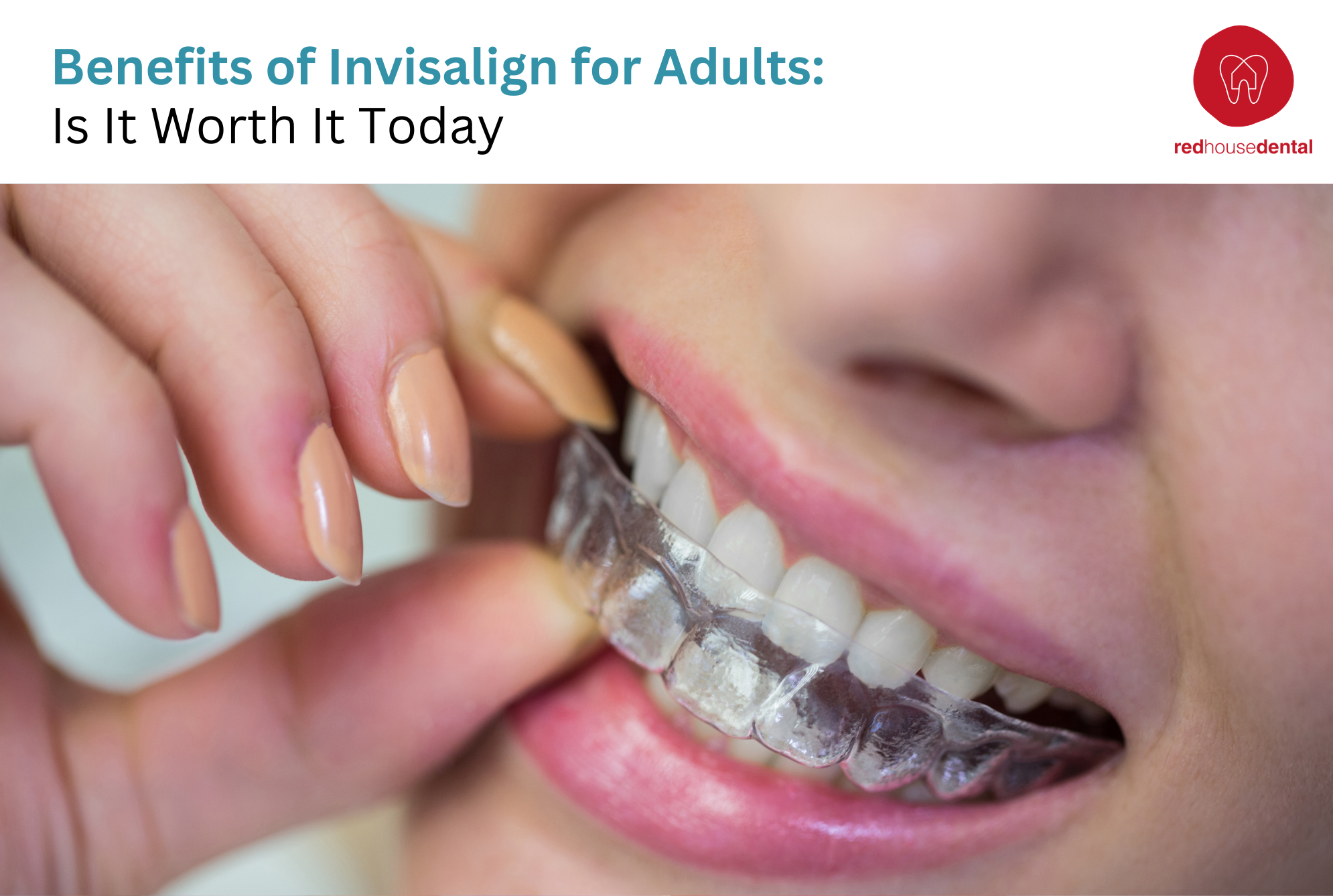
Clear custom trays worn over the teeth. New set every one to two weeks. Each set moves the teeth a small amount further along the planned path. Nothing bonded to the teeth. No wires. No brackets.
They come out to eat and clean. Everything else, sleeping, working, talking, aligners stay in. The requirement is 20 to 22 hours daily. Meals and brushing cover the remaining two to four hours with minimal planning.
Most adult cases last between 12 and 18 months. Some finish earlier. Some run longer depending on what actually needs correcting. The timeline is based on what your teeth need, not a general estimate.
The Benefits of Invisalign for Adults, The Ones That Actually Matter
The appearance thing is real. Colleagues who see you every day often do not notice the aligners until you tell them. Not completely undetectable at close range under direct light, but close enough that the appearance concern most adults carry about orthodontic treatment essentially disappears. The benefits of invisalign for adults start here, and this is the reason the majority of adult patients choose Invisalign over braces. Not a minor point.
Appointments are far less frequent. Braces mean monthly visits for adjustments. Some clinics reduce in-person visits using remote monitoring, photos sent, progress reviewed, and the next aligner set confirmed. In-person visits still happen, but nowhere near as often. If your diary is already full, this matters practically, not just in theory.
Cleaning stays normal. This one gets underestimated. Brackets and wires trap food. Getting a toothbrush and floss properly around fixed hardware is genuinely difficult. Patients in braces have higher rates of decay and gum problems during treatment because of the mechanical challenge, not from not trying. Aligners come out. Brush normally. Floss normally. For adults who already have crowns, fillings, or other existing work in the mouth, not adding decay risk around those restorations during Invisalign treatment is worth something.
Comfortable enough that you forget they are there. New sets cause pressure and mild soreness for a day or two. Then it settles. No sharp wire ends. No brackets cutting the inside of the cheek. Adults who had braces as teenagers know what that felt like. The comparison is not subtle.
One of the clearest benefits of invisalign is that it handles more than just crooked front teeth. Overbite, underbite, crowding, crossbite, spacing, Invisalign Comprehensive handles a real range of orthodontic problems. Bite issues are worth fixing beyond appearance, too. Teeth that do not meet properly wear unevenly over the years. Crowded teeth are harder to clean and more prone to problems. These are long-term oral health issues, not just cosmetic ones.
You see what you are getting before you commit. Digital scanning creates a 3D simulation of the expected outcome before treatment starts. Adults making a significant investment want to see what they are paying for before agreeing to it. That ability to preview the result is something traditional braces cannot offer.
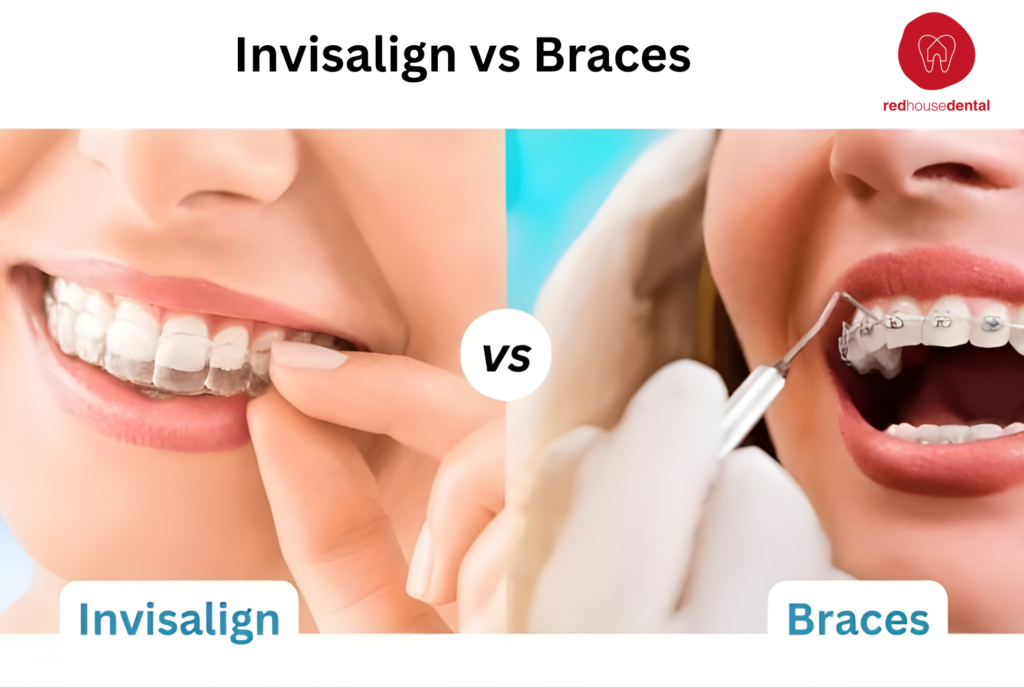
Invisalign vs Braces
Severe skeletal issues, significant jaw discrepancies, and cases needing very precise root-level control, braces are often still the better clinical answer for those. An invisalign dentist or orthodontist sometimes recommends braces regardless of what a patient prefers, and that recommendation is worth listening to.
For most cases of invisalign for adults though, spacing, crowding, front tooth alignment, mild to moderate bite problems, aligners produce results comparable to braces. A 2023 study found Invisalign is the most preferred clear aligner system among Canadian orthodontists. That reflects clinical track record and volume of successful cases, not marketing.
When weighing invisalign vs braces day to day, aligners come out ahead on appearance, comfort, cleaning, and appointment frequency. The one place braces have a genuine edge: they cannot be removed. Aligners can. A patient who consistently leaves them out for hours daily will get slower, less predictable results than someone in fixed braces who has no choice in the matter. That is worth being honest with yourself about before committing to clear aligner treatment.
Invisalign Cost
Most adult cases in Canada: $3,500 and $8,500. Ontario’s average for a full comprehensive case sits around $5,300. Simpler cases with fewer trays cost less. Complex cases cost more.
What actually moves the number: which plan your invisalign dentist recommends, how complex your case is, where the clinic sits, and whether pre-treatment work is needed before aligners can start.
Private dental insurance plans with orthodontic benefits typically apply them to invisalign cost at around 50% up to a lifetime cap. Adult orthodontic coverage varies more than children’s coverage. Some plans cut it entirely past a certain age. Others offer partial coverage. Do not assume your plan works the same way a colleague does, read the actual policy.
At Red House Dental, we offer payment plans that spread the cost across treatment. We confirm exactly what your insurance covers before anything starts.
Who Actually Qualifies
Most adults considering invisalign for adults have spacing, crowding, or bite issues. Active gum disease needs treatment first, periodontal health must be stable before any orthodontic treatment begins. Adults with existing crowns, bridges, and tooth fillings can still be candidates. Severe skeletal jaw issues sit outside what aligners can address. The consultation tells you which category you fall into.
Come and See Us
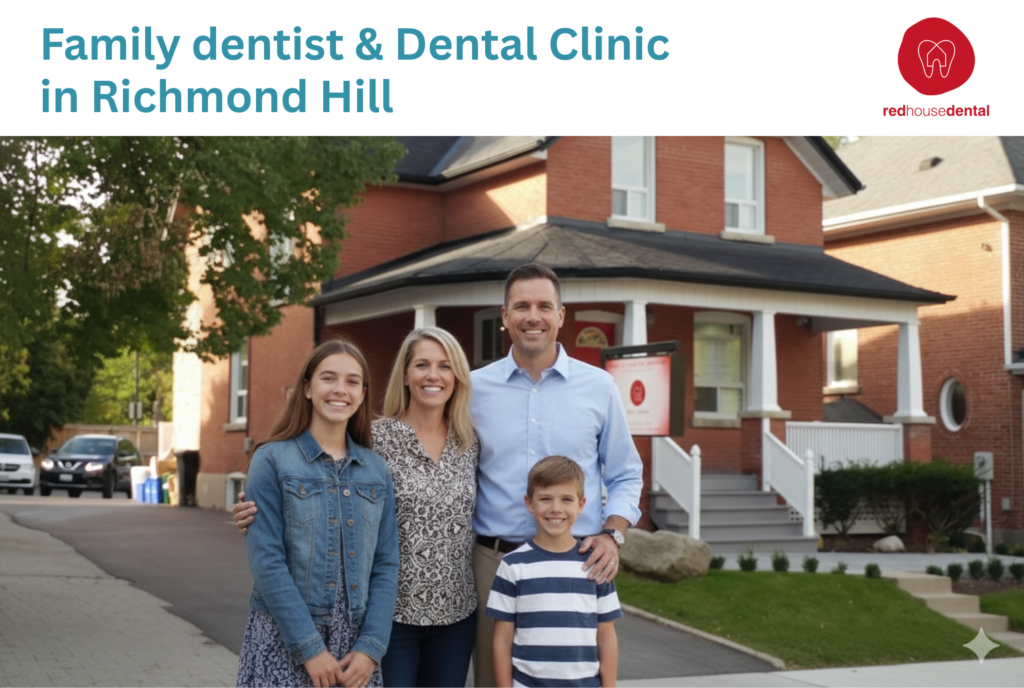
We offer Invisalign for adults at Red House Dental, a dentist in Richmond Hill. At your consultation, we examine your teeth, determine which plan best fits your case, show you what the expected result looks like, and provide clear pricing before you decide. If Invisalign is not right for your situation, we say so and explain what would work better.
Call: +1 (905) 883-4643 | Visit: 38 Arnold Crescent, Richmond Hill, ON L4C 3R5 | Email: reception@redhousedental.com | Hours: Monday to Friday 8 am to 6 pm | Saturday 9 am to 3 pm.
Frequently Asked Questions (FAQs)
Is it actually worth it for adults?
It depends on who you are. If appearance were the thing stopping you from doing anything about your teeth, yes, it’s worth it. If you know yourself well enough to say you will not keep them consistently, braces will probably get you a better result. Be honest about that before you decide.
How long does it take?
Most adults land somewhere between 12 and 18 months. Mild cases are fewer, complex ones more. Your dentist gives you a real number based on your teeth, not a round figure from a brochure.
Is it as good as braces?
For most adult cases, yes. For severe jaw or skeletal issues, braces or surgical orthodontics are often the better clinical choice. The consultation tells you which side of that line you sit on.
Does insurance cover it for adults?
Usually partially. Around 50% up to a lifetime cap. Adult coverage is patchier than children’s on most plans, some cut orthodontic benefits entirely past a certain age. Read your actual policy rather than assuming.
Can I eat normally?
Completely. Remove the aligners before meals and put them back after. No food restrictions at all. That is the whole adjustment.