Straight teeth without the metal mouth. That is the pitch. And for a lot of Canadians, it is convincing enough to ask the next obvious question — what does Invisalign cost?
The short answer: $2,100 to $6,800 for most people. The longer answer depends on your province, your teeth, and which plan your dentist puts you on. Some cases run well past that range. Comprehensive treatment on a complex bite in a high-cost city can push the total close to double those figures.
Here is the full breakdown.
What Invisalign Actually Is
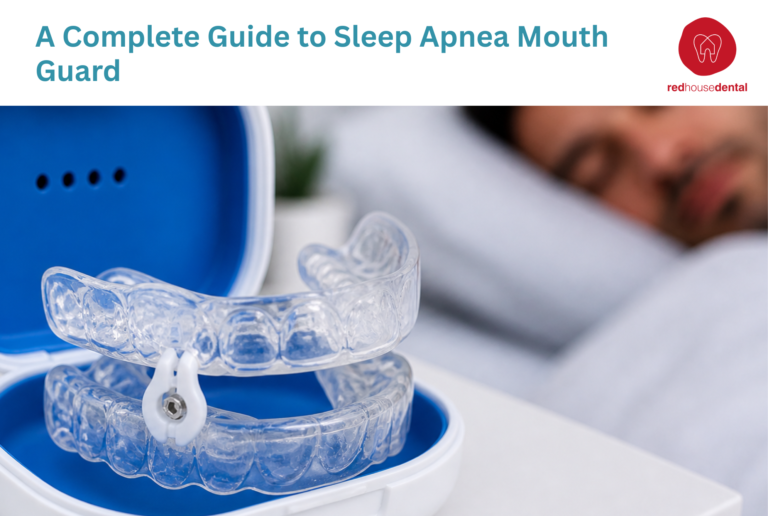
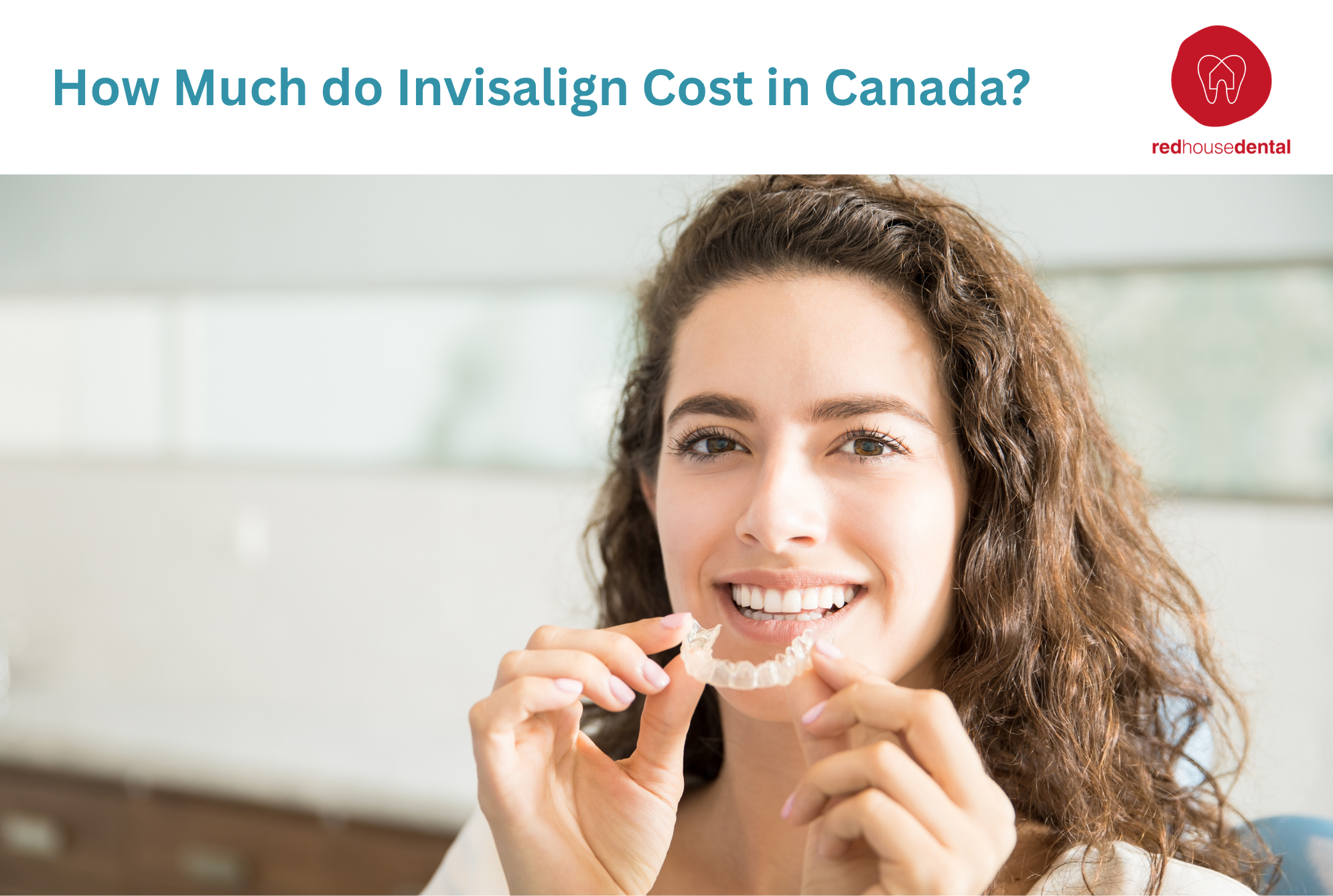
Removable clear trays, custom-made for your teeth. You wear each set for one to two weeks, swap to the next, and your teeth gradually shift into position. No brackets. Nothing bonded to the front of your teeth. You take them out to eat, to brush, for sport.
A 2023 study found Invisalign is the top clear aligner choice among Canadian orthodontists — not just popular with patients, but with the clinicians treating them. It has been around long enough that there is solid clinical data behind it.
One thing worth knowing before starting: you need to wear the trays 20 to 22 hours per day. Take them out more than that and treatment slows down or stalls entirely. The technology works, but only when used consistently.
Invisalign Cost Canada – Full Table by Province and Plan
Prices are drawn from Canadian dental fee guides and Invisalign provider averages across the country:
| Province | Average | Comprehensive | GO | Lite | Express 5/10 |
| Alberta | $5,500 | $5,700 | $4,500 | $3,700 | $3,200 |
| British Columbia | $5,600 | $5,800 | $4,200 | $4,500 | $2,800 |
| Manitoba | $4,900 | $5,100 | $3,500 | $3,000 | $3,000 |
| New Brunswick | $5,200 | $5,300 | $3,600 | $4,300 | $4,800 |
| Newfoundland | $5,700 | $5,700 | N/A | N/A | N/A |
| Nova Scotia | $4,800 | $5,000 | $4,500 | $2,800 | $2,100 |
| Ontario | $5,300 | $5,500 | $4,200 | $4,200 | $2,900 |
| PEI | $5,700 | $5,700 | N/A | N/A | N/A |
| Quebec | $6,700 | $6,800 | $5,900 | $4,900 | $3,100 |
| Saskatchewan | $5,600 | $5,700 | $2,900 | $4,700 | $2,900 |
| Yukon | $6,600 | $6,600 | N/A | N/A | N/A |
Ontario at $5,300 is the practical planning number for patients in Richmond Hill and York Region. Quebec and Yukon are the most expensive provinces nationally. Nova Scotia comes in lowest for full Comprehensive treatment at $5,000.
New Brunswick is the unusual one — Express 5/10 there averages $4,800, which sits higher than both Lite and Go in the same province. That is what the fee data shows.
The Four Plan Types Explained
Your dentist determines which plan fits your case. You do not simply select the one you prefer.
Express 5 and Express 10: They cover a maximum of 5 or 10 trays respectively. These are for minor corrections only — small gaps, slight crowding, or adjustments following previous orthodontic treatment. Fastest and least expensive. Not appropriate for anything beyond mild misalignment.
Lite: It goes up to 14 trays and handles mild to moderate cases. It may or may not involve movement of the back teeth depending on what the case requires.
Go: It allows up to 20 trays and focuses on the front teeth, leaving molars untouched. General dentists often offer this plan rather than referring to a specialist, which can mean lower fees in practice.
Comprehensive: It has no aligner limit and handles the full range — moderate through to severe cases, including complex bite correction, significant crowding, and rotation. It is the most expensive plan and the only one where mid-treatment refinements (additional trays added when teeth are not tracking as expected) are typically included without extra charge.
Children’s plans also exist: Invisalign First Comprehensive and Comprehensive Phase 2, designed specifically for patients whose jaws are still developing.

Why the Invisalign Aligners Price Varies So Much
Severity of the case: A minor gap between two front teeth needs Express. A pronounced overbite combined with crowding and rotation needs comprehensive treatment. Before any aligners are fitted, your dentist will also check for gum disease, since healthy gums are essential before orthodontic treatment begins. Some complex cases also require SmartForce attachments — small tooth-coloured pieces bonded to specific teeth to help the trays apply more precise force for difficult movements. These are not optional add-ons; they are part of the prescribed treatment when the case demands them.
Length of treatment: The national average across all Invisalign treatment is 14.2 months. Express cases wrap up in a matter of months. Some Comprehensive cases extend to 24 months or beyond. Longer treatment means more trays, more monitoring appointments, and more overall cost.
Who is treating you: An orthodontist with extensive Invisalign experience charges more than a general dentist offering Go or Lite treatment. For mild to moderate cases, a well-trained general dentist is clinically appropriate and often costs noticeably less. For complex cases involving bite correction or jaw alignment, the higher fee for a specialist is generally justified by the outcome.
Clinic location: Higher-rent areas carry higher operating costs. Those costs get reflected in treatment fees. Clinics in downtown cores consistently price higher than suburban practices offering the same standard of care.
Extra Costs That Often Catch Patients Off Guard
The quoted Invisalign treatment price does not always cover everything. These are the items that frequently sit outside the main fee:
Initial consultation: Many clinics offer this at no charge. Some do not. Worth confirming when you book.
Dental exam and cleaning: Most dentists want a current exam and clean before starting aligner treatment. This is not included in the Invisalign quote. In Ontario, a complete exam alone can cost up to $178.
X-rays: If your dental records are not recent, new X-rays will be required. In Ontario, these run approximately $162. Some practices bundle this into the consultation fee; others invoice separately.
iTero intraoral scan: A digital scanner that builds a 3D model of your teeth and lets you preview the expected post-treatment result. Some clinics include this as part of the consultation at no charge. Others bill for it separately.
Retainers: Once treatment ends, retainers hold the corrected position and prevent teeth from shifting back. An initial set is generally included in the plan price. Replacing a lost set costs around $600. Retainers are not optional — skipping them means losing the result.
Unplanned complications: A crown coming loose, a tooth fracturing, or a new filling that alters the shape of a tooth mid-treatment can all require new trays to be made. These situations cannot be quoted upfront because nobody anticipates them, but they do carry a cost when they happen.
Is Invisalign Covered by Insurance in Canada?
Private dental insurance plans that include orthodontic coverage typically apply those benefits to Invisalign at the same rate as traditional braces — around 50% of costs, subject to a lifetime maximum. That maximum commonly falls between $1,500 and $3,500 depending on the insurer and plan.
The percentage sounds reasonable until the actual numbers are applied. Ontario Comprehensive treatment at $5,500, insurance covering 50% but capped at $2,000 — the patient pays $3,500. The lifetime cap is what actually determines out-of-pocket cost, not the coverage percentage.
Some insurers classify Invisalign differently from traditional braces, sometimes categorising it as cosmetic, which reduces coverage or eliminates it entirely. This is not consistent across providers. Reading your actual policy is the only reliable way to know. Assumptions based on someone else’s plan are frequently wrong.
The Canadian Dental Care Plan (CDCP) does not cover Invisalign for cosmetic orthodontic treatment. At Red House Dental, we accept the CDCP for eligible treatments and will confirm exactly what your plan covers before any treatment begins — not partway through.
Ways to Pay for Invisalign Treatment
Monthly payment plans: At Red House Dental, we offer payment plans that spread the cost across your treatment period. A $5,000 to $6,000 total is far more manageable broken into monthly amounts. We can work out the actual figures for your specific case at your consultation.
Health Spending Account: Orthodontic treatment qualifies under most Health Spending Accounts. Paying with pre-tax dollars reduces the real cost in meaningful terms.
Personal loan or credit card: Both work as financing options, but the interest rate matters. A $5,500 treatment financed at a high rate over 24 months costs considerably more than the original figure.
Dental school clinics: The University of Toronto, UBC, University of Alberta, Dalhousie, and Western University all run orthodontic programs offering treatment at reduced fees under experienced faculty supervision. Treatment timelines are longer, but the cost savings are substantial for patients who qualify.
Book a Consultation at Red House Dental
We offer Invisalign treatment at our dental clinic in Richmond Hill. At your consultation, we assess your case, determine which plan applies, and give you a complete cost breakdown before you make any decision. If a more affordable alternative would achieve the same result for your situation, we will tell you that directly.
Call: +1 (905) 883-4643
Visit: 38 Arnold Crescent, Richmond Hill, ON L4C 3R5
Email: reception@redhousedental.com
Hours: Monday to Friday 8am to 6pm | Saturday 9am to 3pm
Frequently Asked Questions (FAQs)
How much do Invisaligns cost in Canada on average?
$2,100 to $6,800 for most cases. Complex or lengthy treatment can push past that — sometimes significantly higher.
Is Invisalign covered by insurance in Canada?
Usually partially. Around 50% up to a lifetime cap, typically $1,500 to $3,500. Some plans classify it as cosmetic and cover less. Check your actual policy.
How long does treatment take?
The national average is 14.2 months. Simple cases: a few months. Complex cases: 18 to 24+ months.
Is Invisalign more expensive than metal braces?
Usually a bit more. Not always by much. For severe corrections, braces are sometimes both cheaper and the better clinical choice.
What if my teeth stop tracking mid-treatment?
Refinements — additional trays — get added to the plan. Comprehensive plans usually include these. Limited plans like Express or Lite may charge extra. Confirm this with your provider before you start.