Dental care in Canada is expensive. That’s not a controversial statement—it’s just the reality most people run into the first time they need anything beyond a basic cleaning. And for anyone without coverage through work or a private plan, the cost alone is often enough to make people reschedule, delay, or skip appointments entirely. The Canadian Dental Care Plan exists because that pattern has real consequences for people’s health, and the government decided to address it.
If you’ve been putting off dental care because of cost, or you’re not sure whether you qualify for help, this guide covers everything—CDCP eligibility, what the plan actually pays for, how to apply, how to check your application, and what happens with CDCP renewal every year.
What is the Canadian Dental Care Plan?
The CDCP is a federal program. It was built for Canadians who don’t have private dental insurance — people who would otherwise be paying completely out of pocket for every appointment, every filling, every procedure.
It functions as a Canadian dental benefit, which means the government helps cover the cost of qualifying dental services based on your income and eligibility. It doesn’t work exactly like private insurance, and it’s not meant to replace it. It’s a separate thing entirely, designed to fill a specific coverage gap that many Canadians fall into.
The logic behind it is pretty simple. When people can afford to go to the dentist regularly, they do. When they go regularly, problems get caught early, A small cavity that only needs a teeth filling instead of a root canal., mild gum inflammation instead of tooth loss. Prevention is cheaper than treatment for everyone involved.
One important note if you’re already a member: renewal for the 2026–2027 benefit year runs from April 15 to June 1, 2026. That’s not a long window. Don’t assume it’ll sort itself out.
Does Your Situation Qualify? CDCP Eligibility Explained
CDCP eligibility isn’t complicated, but each condition must be met. It’s not a case of qualifying if you meet most of them—it’s all of them, or the application gets declined.
Generally speaking, you need to:
- Be a Canadian resident.
- Have no private dental insurance whatsoever
- Have a household income that falls within the program’s limits.
- Have you filed your taxes last year and received a Notice of Assessment, and your spouse or common-law partner must have done the same, if that applies to you.
That tax piece catches people off guard more than anything else. If your partner didn’t file, it can block your eligibility even when your own finances are completely in order. Worth sorting out before you apply rather than after.
Eligibility isn’t a one-time thing either. It gets reassessed annually because income and household situations change. Someone who qualified easily two years ago might sit in a different bracket now — or vice versa. The program is set up to reflect your current situation, not a snapshot from several years back.
And if your coverage has lapsed at any point — for whatever reason — you’ll need to reapply from scratch. Services received while you had no active coverage won’t be reimbursed later. That’s a hard rule, no exceptions.
What Does Canadian Dental Plan Coverage Actually Pay For?
Canadian dental plan coverage focuses on services that directly impact your oral health. It’s not designed for cosmetic improvements—it’s designed around what’s clinically necessary.
What may be covered:
- Dental exams and routine checkups
- Professional cleanings
- X-rays when clinically required
- Tooth-coloured fillings
- Root canal treatment
- Dentures and denture adjustments
Some of the more involved procedures, root canals, certain restorations—require preauthorization before treatment starts. That means your dentist submits a request first, and approval needs to come through before any work begins. If that step gets skipped, the cost may not be covered. Always confirm before your appointment, not during it.
Co-payments are part of the structure, too. Depending on your income, the plan covers a certain percentage, and you cover the rest. Higher income generally means a higher co-payment — the program is income-tiered.
Cosmetic treatments aren’t covered. Veneers, teeth whitening, and dental implants, none of these fall under the plan. They’re aesthetic, not restorative, and the CDCP only covers treatment that addresses oral health. If you’re considering cosmetic work, have a direct conversation with your dentist about the total cost before scheduling anything.

Walking Through the Canadian Dental Care Plan Application
The Canadian dental care plan application goes through My Service Canada Account (MSCA, for short). If you’ve used Service Canada for anything before, you likely already have one. If not, setup is manageable and worth doing.
Once you’re logged in:
- Find the Canadian Dental Care Plan section on your dashboard.
- Select the application option
- Work through the form, step by step
Before sitting down to do this, have these things ready:
- Your Social Insurance Number
- Full legal name and date of birth
- Home and mailing address
- Confirmation that taxes were filed and a notice of assessment was issued
- Any government dental coverage details relevant to your household
Enable digital communication when the option appears. Your updates will come through faster, and you can read correspondence online rather than waiting for physical mail.
Applications are open right now. But again, if your coverage lapsed, this is a new application, not a renewal. Anything that happened dentally during the gap is on you financially. Plan accordingly before you book any upcoming appointments.
One thing genuinely worth flagging: scams targeting CDCP members are real. Fraudulent calls, emails, and letters imitating the program have been reported. The government will never reach out unexpectedly asking for personal information. If something arrives that seems suspicious, call 1-833-537-4342 (TTY: 1-833-677-6262) directly to verify before you respond.
Canadian Dental Care Plan Status Check – How to Track Your Application
Once your application is in, you can check the status of your Canadian dental care plan without much hassle.
Online, the official status tool asks for your application code or client number, along with your SIN. For children who don’t have a SIN yet, a full name and date of birth are used instead.
By phone, call 1-833-537-4342, choose your language, and press 3. The automated line is available any time of day or night. Prefer talking to a person? That’s available during standard business hours.
Make it a habit to check your status before any scheduled dental visit. It takes two minutes and prevents the kind of billing confusion that’s very annoying to sort out after the fact.
CDCP Renewal – The Annual Step Most People Underestimate
CDCP renewal is required every year. Coverage doesn’t roll over, doesn’t auto-renew, and doesn’t send you a warning when it’s about to expire unless you’re paying attention.
For 2026–2027, the renewal window is April 15 to June 1, 2026.
Miss it, and your coverage ends. Treatment you receive after expiry isn’t covered—even if you renew a week later. So if coverage quietly runs out in early June and you’re in the dentist chair in July thinking you’re still covered, that bill is entirely yours.
Set a calendar reminder. Mention it to your dentist’s front desk. Whatever it takes, because this is one of those small administrative things that creates a genuinely frustrating and expensive problem when it slips through the cracks.
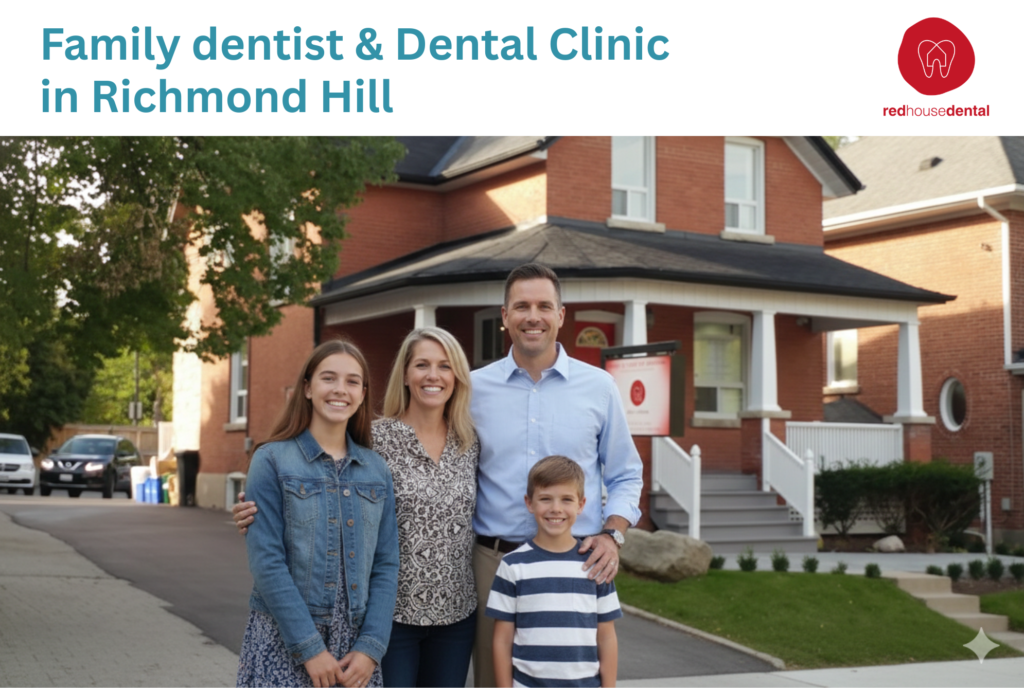
Red House Dental – Richmond Hill Clinic Accepting the CDCP Dental Plan
Red House Dental is a family dental clinic in Richmond Hill that works with patients on the CDCP dental plan. Before any treatment starts, the team goes through coverage with patients clearly—so nobody is surprised by costs when the appointment ends.
Services at the clinic include cleanings and exams, tooth-coloured fillings, root canal treatment, crowns and bridges, wisdom teeth removal, braces and Invisalign, dental implants, sleep apnea and snore guard appliances, and teeth whitening. Most dental needs can be handled without referral to another provider.
Pricing is transparent, the approach is straightforward, and free on-site parking is available. Emergency appointments are accommodated when possible.
Reach the clinic: Phone: 905-883-4643 | Text: 647-518-4643 Email: reception@redhousedental.com Address: 38 Arnold Crescent, Richmond Hill
Frequently Asked Questions (FAQs)
Who qualifies for the Canadian Dental Care Plan?
Canadian residents with no private dental insurance, income within program limits, and a filed tax return producing a Notice of Assessment.
Is this the same as private insurance?
No—it’s a Canadian government dental benefit with its own eligibility rules and coverage scope.
Are veneers covered?
No. Cosmetic treatments, including veneers, whitening, and implants, are not covered under the plan.
How often is CDCP renewal required?
Every year. The current window closes June 1, 2026.
Does Red House Dental accept CDCP patients?
Yes, and coverage is explained to patients clearly before treatment begins.
The Canadian Dental Care Plan gives eligible Canadians a real path to consistent dental care without the financial anxiety that often delays treatment. Get your CDCP eligibility confirmed, complete your Canadian dental care plan application, keep up with CDCP renewal each year, and use the status check tool before appointments. Staying on top of those steps means your coverage works when you actually need it.