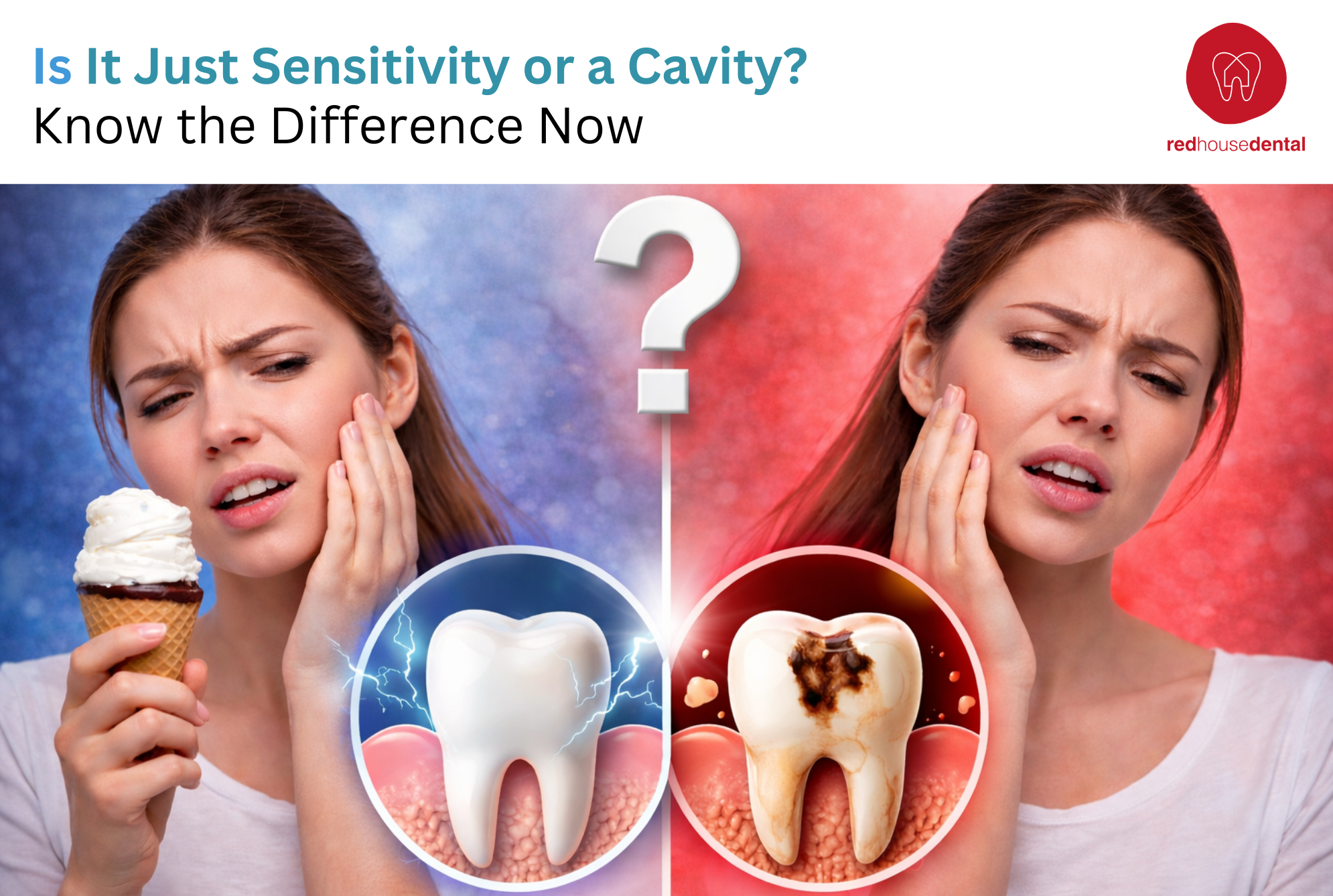
There are two kinds of tooth pain. The kind that shows up, makes its point, and leaves. And the kind that keeps coming back to the same spot, every time, just specific enough to notice but not bad enough to act on yet.
The second one is worth paying attention to.
Sensitivity and cavities overlap in ways that genuinely confuse people — even people who are pretty careful about their teeth. The early signals are quiet. A brief reaction to something cold. A faint response to something sweet. Easy to dismiss as nothing, especially when it goes away on its own.
What this article covers is how to tell the difference — what sensitivity actually feels like versus what a cavity feels like as it develops, what the signs of a cavity look like at each stage, and when the right call is to stop waiting and get it looked at.
What Is a Cavity?
A hole. It took months to get there, probably longer, but that’s what it ends up being.
Bacteria are in every mouth — that part is normal. The problem starts when they feed on sugar and release acid. That acid sits against the enamel and slowly pulls minerals out of it. Day after day, meal after meal. Most people have no idea this is happening because nothing hurts at this stage. Nothing feels different at all.
At some point the enamel gets weak enough that it actually breaks down. That’s when a cavity exists—not before, but that’s when the damage becomes permanent. Before the hole forms, fluoride can still push minerals back into weakened enamel and reverse things. After? That window closes. Enamel doesn’t come back. The decayed part has to be removed and the space filled, or the bacteria will just keep going deeper.
“Decay” and “cavity” get swapped constantly, but they mean different things. Decay is what’s happening. A cavity is what it leaves behind.
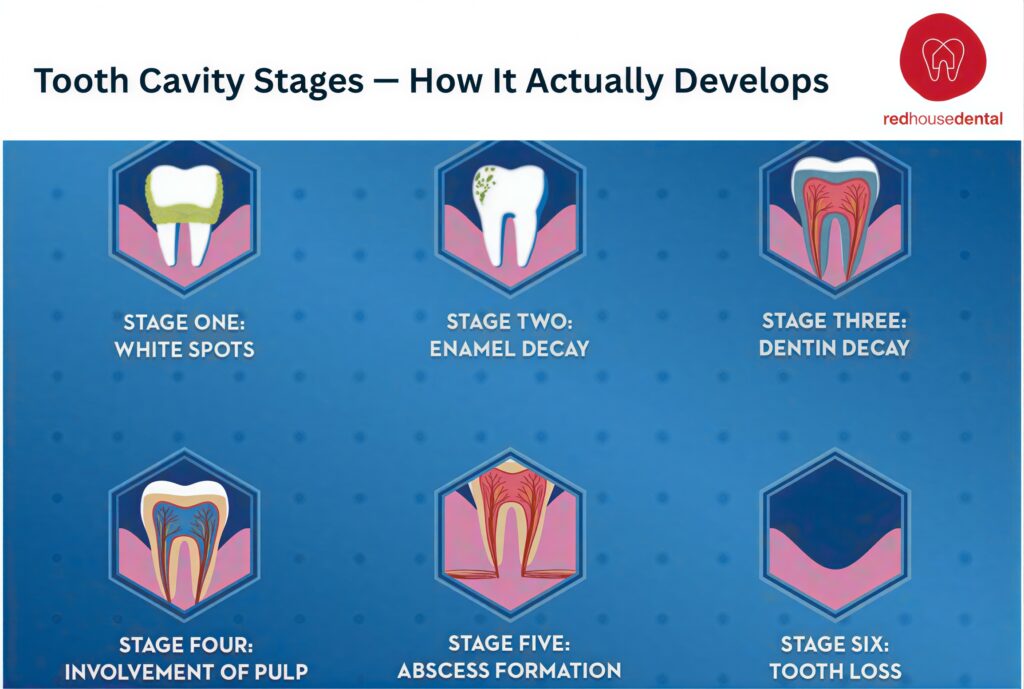
Tooth Cavity Stages – How It Actually Develops
Tooth cavity stages change what treatment involves, which is the whole reason they matter.
The first thing that happens is mineral loss at the enamel surface. Chalky white patches show up in spots the enamel is weakened but hasn’t broken yet. No pain, no hole, nothing obvious. This stage can still be turned around. Most people sail right through it without knowing.
Then the enamel gives. A small cavity forms in the outer layer. Contained, relatively minor, one appointment to fix it. Catching it here is genuinely the best-case scenario for everyone involved.
Decay keeps moving and hits dentine next. Dentine is softer than enamel and breaks down faster once bacteria reach it. Sensitivity starts becoming more noticeable around here—the tooth reacts more to cold and sweet things than it used to. Still a filling but a bigger one than it would have been two stages ago.
After dentine comes the pulp—nerves, blood vessels, and the living tissue at the centre of the tooth. Pain at this stage stops being triggered by food and drink and starts just appearing. Throbbing that comes on without warning. Sometimes waking people up. Root canal is the only option here, not a filling.
Past that, an abscess can form if infection spreads into the tissue around the tooth. Swelling, sometimes fever, and serious pain. It’s the hardest stage to treat, and sometimes the tooth is already too far gone to save.
Cavity Symptoms vs. Tooth Sensitivity – The Actual Difference
Cavity symptoms and sensitivity share enough overlap that people talk themselves out of getting things checked for months sometimes.
Sensitivity without decay has a pretty consistent personality. Something cold hits the tooth, there’s a sharp reaction, and then it’s gone within a few seconds. It tends to spread across a few teeth rather than sitting in one exact spot. It doesn’t show up randomly while someone is just sitting watching television doing nothing.
Signs of a cavity are different in ways that become obvious once someone knows what to look for. It comes from the same tooth every single time—not a general area, but one specific tooth. It sticks around after the trigger is gone instead of disappearing quickly. And at more advanced stages it just appears on its own, no food or drink involved, just an unprompted ache that shows up and sits there.
Visually, dark spots on the chewing surface, a patch that feels rough or sticky when the tongue runs over it, and a small pit that wasn’t there before. Sweet sensitivity that’s stronger than cold sensitivity. Discomfort when biting down on one particular side. None of those alone mean a cavity for certain, but any of them showing up alongside lingering pain is worth acting on.
How to Know If You Have a Cavity
How to know if you have a cavity for certain: dentist, X-ray, no way around it. Cavities between teeth or hiding on back molar surfaces don’t show up in bathroom mirrors regardless of the angle.
At home what’s useful is just paying attention to patterns. The same tooth is reacting repeatedly. Pain that stays a few seconds longer than it should after eating or drinking something. Symptoms that were mild three weeks ago and are noticeably less mild now. A spot the tongue keeps drifting back to that feels off. Something that looks darker or rougher than the surrounding tooth surface.
One of those things on its own might mean nothing. The same thing is getting worse week by week, means booking the appointment instead of waiting another month to see what happens.
Tooth Cavity Treatment – What Actually Happens
Tooth cavity treatment and tooth decay treatment look completely different depending on when someone comes in.
Before a hole exists, fluoride, hygiene changes, and remineralisation. No needles, no drilling, no recovery. Just stopping the process before permanent damage happens.
Once enamel or dentine has broken down, a teeth filling is usually the next step. Decay comes out, space gets cleaned, and composite resin goes in under local anaesthetic. Quick. Most people are genuinely surprised by how fast it’s over.
Pulp involved—root canal. Infected tissue is removed, canals are cleaned and sealed, and a crown is on top usually. Sounds worse than it is. The area is numb the whole time. The painful part is what people arrive with, not what happens during treatment.
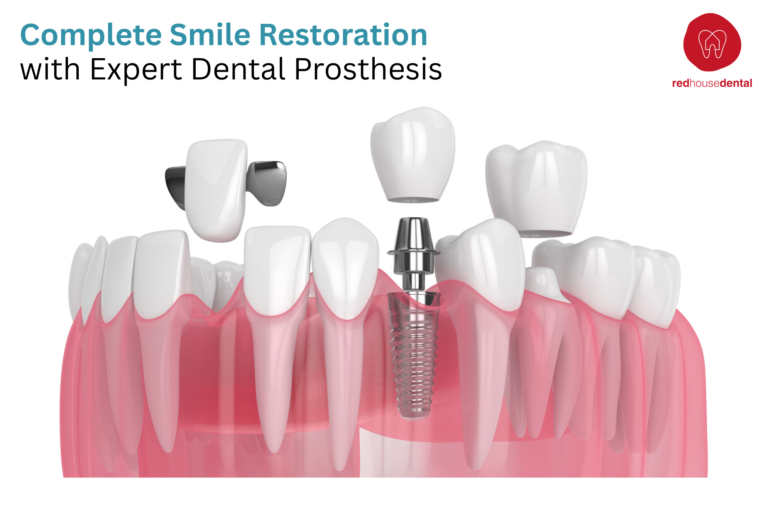
Tooth too far gone, extraction. Then dental implants or bridges become the main options for replacing the missing tooth.
Every stage that passes without treatment adds something to what eventually has to happen. That’s the only consistent thing across all of them.
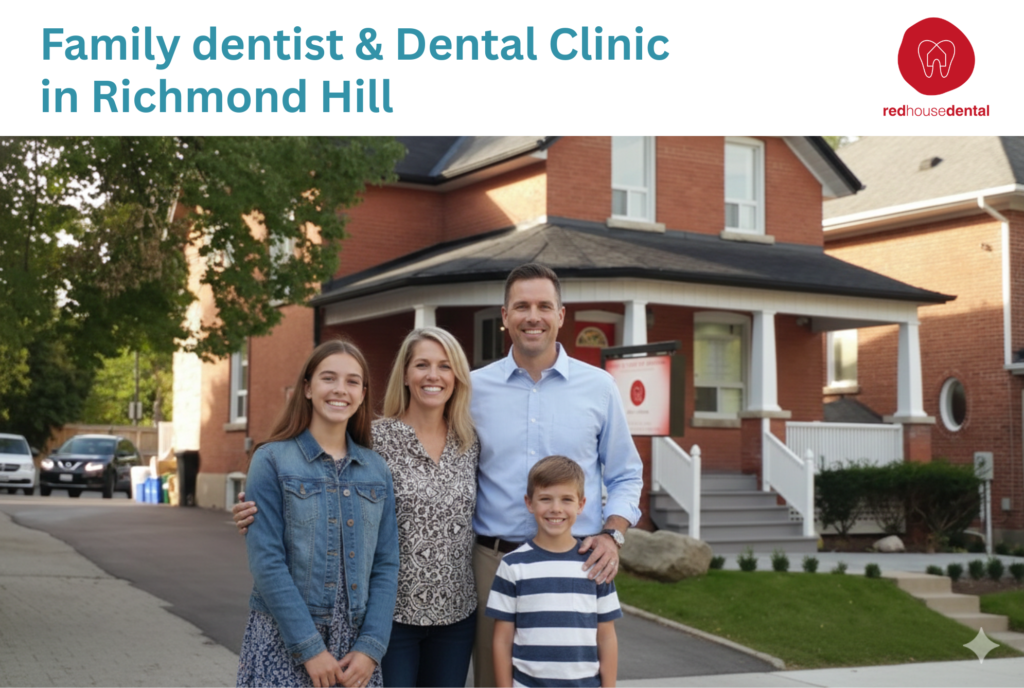
Come and See the Team at Red House Dental
One tooth that keeps reacting. Pain that’s not going away on its own. A spot in the mirror that doesn’t look right. These things don’t resolve by waiting, they just progress to a stage where the fix becomes more involved.
Red House Dental, a dental clinic in Richmond Hill, catches cavities early regularly, and early-stage treatment is always faster, simpler, and less expensive than treatment that gets delayed. Dr. Ria Pudjo, Dr. Kavita Gupta, Dr. Sandeep Tayal, and Dr. Susie Ang explain exactly what’s happening and lay out the options clearly before anything gets started.
Red House Dental Accepts the Canadian Dental Care Plan
Patients on the Canadian Dental Care Plan (CDCP) are welcome. Tooth cavity treatment including fillings and root canals may be covered. Transparent pricing, no hidden costs, free parking right outside.
Monday to Friday: 8 AM to 6 PM Saturday: 9 AM to 3 PM | Sunday: Closed Call: +1 (905) 883-4643 38 Arnold Crescent, Richmond Hill, ON reception@redhousedental.com
Don’t wait for the pain to force the appointment. Book now and find out exactly where things stand.
Frequently Asked Questions (FAQs)
What is a cavity — the same thing as tooth decay?
Decay is the ongoing process, and a cavity is the hole it leaves behind. Early decay can still be reversed. Once the hole exists the tooth needs a dentist — it won’t fix itself no matter how well someone brushes afterwards.
How to know if you have a cavity or just sensitivity?
Sensitivity fades fast and moves around. Cavity pain keeps coming from the same tooth, lingers after eating or drinking, and sometimes aches without any trigger. Dark spots or a rough patch the tongue keeps finding are worth getting checked.
What are the signs of a cavity at home?
tooth reacting more than others, discomfort that lingers, visible discolouration, a sticky or rough spot in one place, or pain when biting. Symptoms getting worse over weeks rather than staying the same means stop waiting and book an appointment.
What do tooth cavity stages mean for treatment?
Earliest stage needs only fluoride. Formed cavity needs a filling. Decay into the pulp needs a root canal. Abscess or extensive damage may mean extraction. The difference between early and late stage treatment is significant in time, cost, and complexity.
What does tooth cavity treatment feel like?
Fillings are quick under local anaesthetic — most people are surprised how fast. Root canals are fully numbed and not painful during the procedure. What’s actually uncomfortable is arriving with advanced pain from waiting too long. Earlier means easier, every time.