Hands gripping the armrests before anyone has even touched your teeth. Heart racing the moment you walk through the door. Some people book and cancel three or four times before actually sitting in the chair.
Dental anxiety is real and genuinely common. Dodging the dentist because of fear does not fix anything. Bigger problems just quietly build up while time passes, and those end up costing more and taking longer to sort out.
What Is Dental Anxiety?
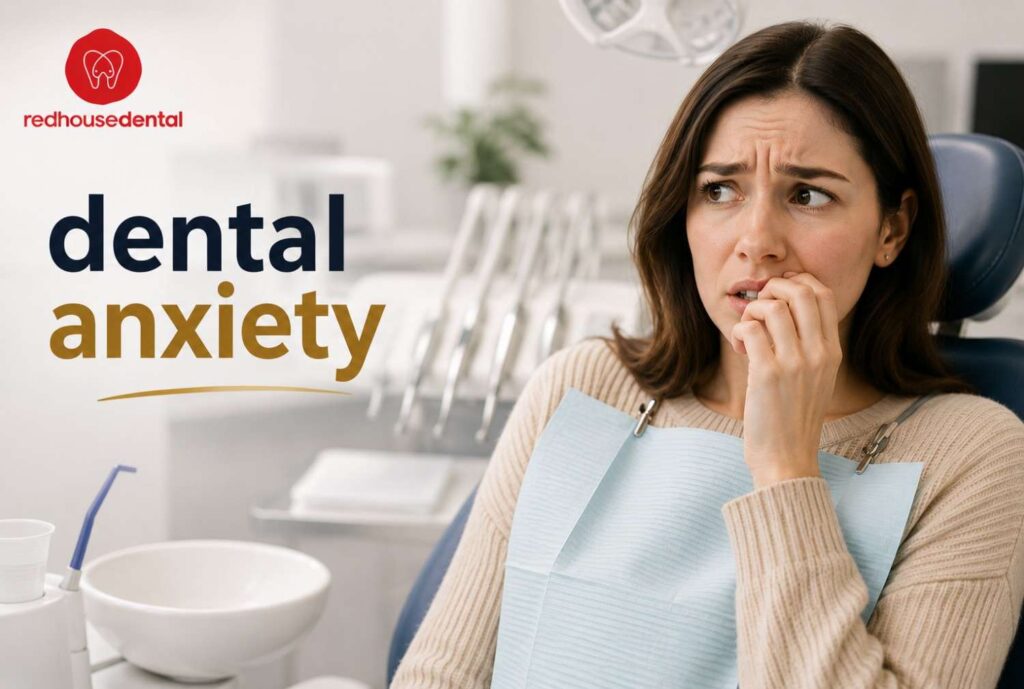
Dental anxiety lands differently depending on the person. Some feel mildly uneasy before appointments. Others carry full-blown dread that has kept them out of a dental chair for years.
Symptoms of Dental Anxiety
Symptoms of dental anxiety often kick in well before the appointment day even arrives.
- Heart racing or chest tightness just from booking or thinking about a dental visit
- Difficulty sleeping the night before
- Feeling physically sick on the day
- Freezing up or crying in the waiting room
- Needing to leave before treatment even starts
Symptoms of dental anxiety show up differently from one person to the next. Some people can point to something specific, a bad experience, a needle fear, a sense of having no control. Others just dread it without being able to explain exactly why.
Dental Anxiety in Children
Kids and dentists. Not always a smooth combination.
Dental anxiety kids experience is real and worth taking seriously. Crying, refusing to open their mouth, clinging to a parent, going quiet and frozen in the waiting room. All common signs.
One difficult early experience can follow a child for years. Dental anxiety in children responds best to a gentle, unhurried approach where nothing comes as a surprise. Pediatric dental anxiety near me is worth searching to find a practice genuinely experienced with younger patients rather than just tolerant of them.
What Actually Causes It?
Different causes respond to different approaches, which is why understanding what is actually driving it matters.
- Something that went badly at the dentist years ago and never quite left
- Needle fear, or worry about not being numb enough when treatment starts
- Feeling stuck and out of control in the chair while someone works in your mouth
- Embarrassment about how teeth look after avoiding dental care for a long time
- Sounds and smells of a dental clinic setting off a stress response before anything has even happened
- Anxiety disorders generally making all medical settings feel overwhelming
Practical Tips That Actually Help
Talk to the Dentist First
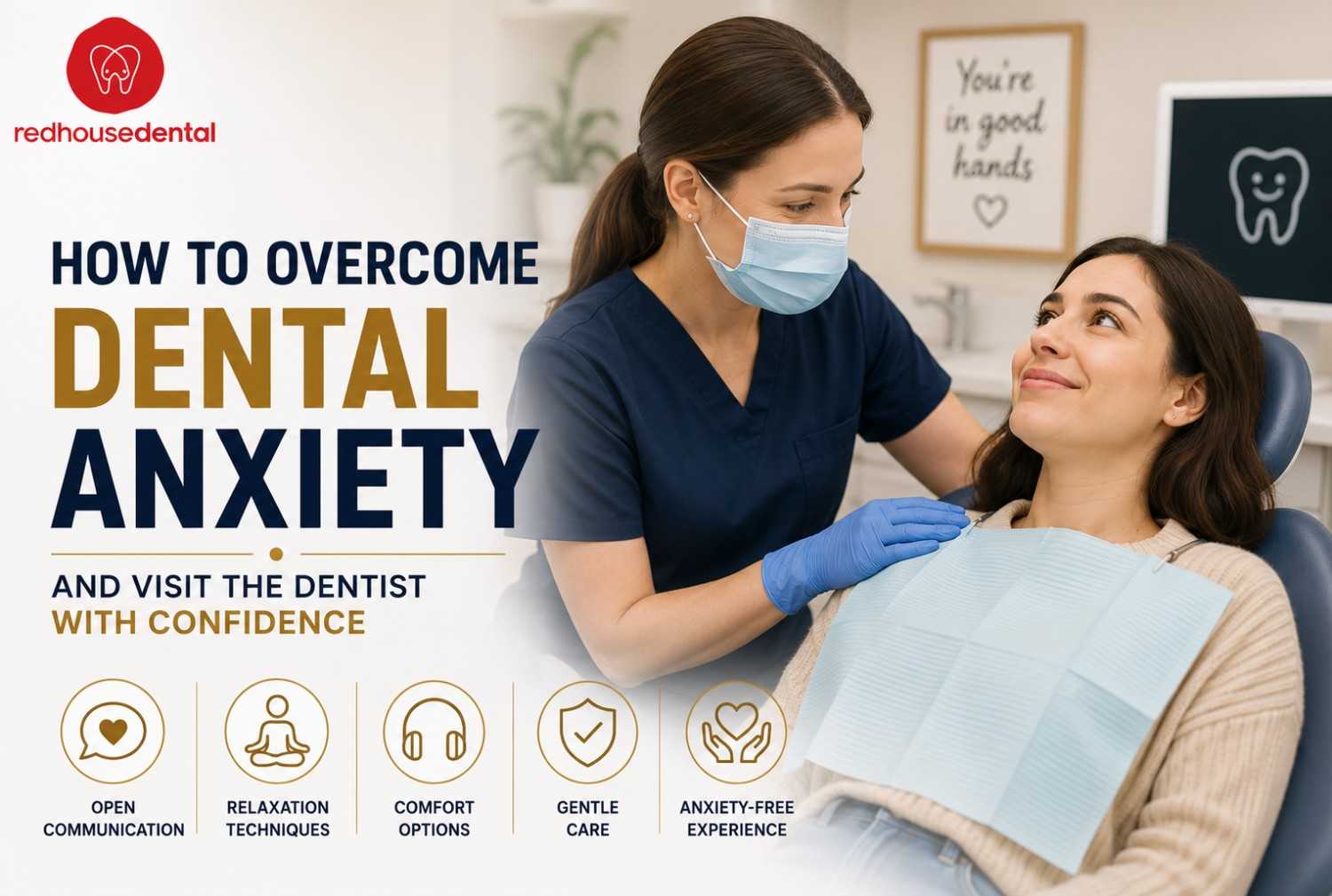
Dentists for dental anxiety deal with nervous patients every day of the week. Saying upfront that the appointment is anxiety-inducing, before sitting in the chair rather than during it, makes a bigger difference than most people expect.
Being open about it gives the dentist room to:
- Walk through each step before doing anything
- Set up a stop signal so the patient stays in control throughout
- Offer numbing gel ahead of injections, headphones during treatment, or sedation where needed
- Slow the pace down so nothing feels rushed or overwhelming
Dentists for dental anxiety are not going to think less of anyone for being nervous. It comes up constantly.
Relaxation Before the Appointment
Fear is often based on outdated ideas about what dental treatment actually involves. Modern dentistry uses painless injection techniques with numbing gel, gentle ultrasonic scalers, and digital X-rays that are fast and comfortable. Knowing this going in tends to take some of the edge off.
A few relaxation techniques that genuinely help beforehand:
- Deep breathing: four seconds in, hold for seven, eight seconds out. Works in the car or sitting in the waiting room
- Visualisation: landing mentally in a calm familiar place before going in genuinely helps settle the nervous system
- Progressive muscle relaxation: working through muscle groups, tensing each one then letting it go, releases the physical tension that anxiety sits in
Distract Yourself During the Visit
- Headphones with something familiar already queued up before walking in
- Ask about noise-cancelling headphones if clinic sounds are what triggers the anxiety
- Something to hold, a stress ball or anything familiar from home
- Eyes on the ceiling rather than on what is happening in the mouth
A Few More Things Worth Doing
- Bring someone trusted along, even just to the waiting room
- Book morning slots when nerves tend to be more manageable
- Skip caffeine before the appointment since it amplifies anxiety
- Do not squeeze a dental visit into an already stressful day
- Start with a simple checkup or clean rather than jumping straight into treatment after years away Many patients are relieved to discover that they only need a simple cleaning or teeth filling rather than major treatment.
Dental Anxiety Medication
For some patients, relaxation techniques and a supportive dentist are not quite enough on their own. Dental anxiety medication is worth discussing with a dentist or doctor in those cases.
Options may include:
- Nitrous oxide: inhaled through a small mask, works quickly, wears off fast, patient stays conscious but calm throughout
- Oral sedatives: taken before the appointment, produce a deeper sense of calm, require a driver home afterward
- IV sedation: for more significant dental anxiety or longer procedures, produces a deeply sedated state with little to no memory of the appointment
Dental anxiety medication is not something to feel embarrassed about exploring. If it is what makes treatment possible, it is a completely valid option.
What Changes When Dental Anxiety Gets Addressed
The benefits go beyond just getting through an appointment.
- Teeth and gums stay in better health with regular care, which prevents far bigger problems from building up over time
- Regular checkups cost considerably less than the treatment that years of avoidance eventually requires
- A healthy mouth affects day to day confidence in ways people often do not anticipate going in For adults, finally addressing concerns about the appearance of their smile becomes the first step toward considering Invisalign treatment.
- Each positive visit makes the next one feel more manageable rather than equally daunting
Your Step-by-Step Plan
If getting to the dentist regularly feels like a real obstacle right now, here is a simple starting point:
- Acknowledge what actually triggers the anxiety rather than just avoiding the whole thing
- Call Red House Dental and mention the anxiety upfront before booking
- Start with a checkup or clean rather than anything more involved
- Practice one relaxation technique daily in the week before the appointment
- Bring someone along or bring headphones
- Acknowledge each visit as progress rather than just something to get through
Red House Dental in Richmond Hill
Red House Dental, a dental clinic in Richmond Hill, ON. Dental anxiety, including dental anxiety in children, is something the team here takes seriously rather than brushing past.
Nervous patient appointments get structured differently here. The pace gets adjusted. Everything gets explained before it happens. Stop signals get agreed on upfront. Sedation is available for patients who need more than just reassurance to get through treatment comfortably.
Nobody at Red House Dental is going to make a patient feel embarrassed for being nervous. It is one of the most common things the team deals with and something they are genuinely experienced in handling well.
Frequently Asked Questions (FAQs)
What are the main symptoms of dental anxiety?
Heart racing before you even walk in. Trouble sleeping the night before. Feeling sick on the day. Some people freeze up completely in the waiting room or have to leave before anything actually starts. Symptoms of dental anxiety are different for everyone, which is part of why it gets missed or dismissed so often.
How do dentists for dental anxiety actually handle things differently?
They slow down. They explain what is happening before doing it. They agree on a signal the patient can use to stop everything if it gets too much. Dentists for dental anxiety work around the patient rather than expecting the patient to just push through it.
What actually helps with dental anxiety in children?
Keeping those first visits genuinely low pressure makes a real difference. No rushing, no surprises, no big procedures straight away. Dental anxiety in children responds well when the child feels like nothing unexpected is going to happen. Pediatric dental anxiety near me is worth searching specifically because not every practice handles younger patients the same way.
What dental anxiety medication is actually available?
Nitrous oxide for milder cases, it wears off fast and you can drive yourself home. Oral sedatives for something deeper, though you will need a driver. IV sedation for more severe dental anxiety where the patient needs to be barely present for the appointment at all. A dentist will work out which dental anxiety medication makes sense based on the situation.
Do kids grow out of dental anxiety on their own?
Sometimes yes, particularly if the early experiences were handled well. But dental anxiety kids carry from a frightening or painful early visit can genuinely follow them into adulthood if nothing is done about it. How those first appointments go really does matter more than most people realise at the time.