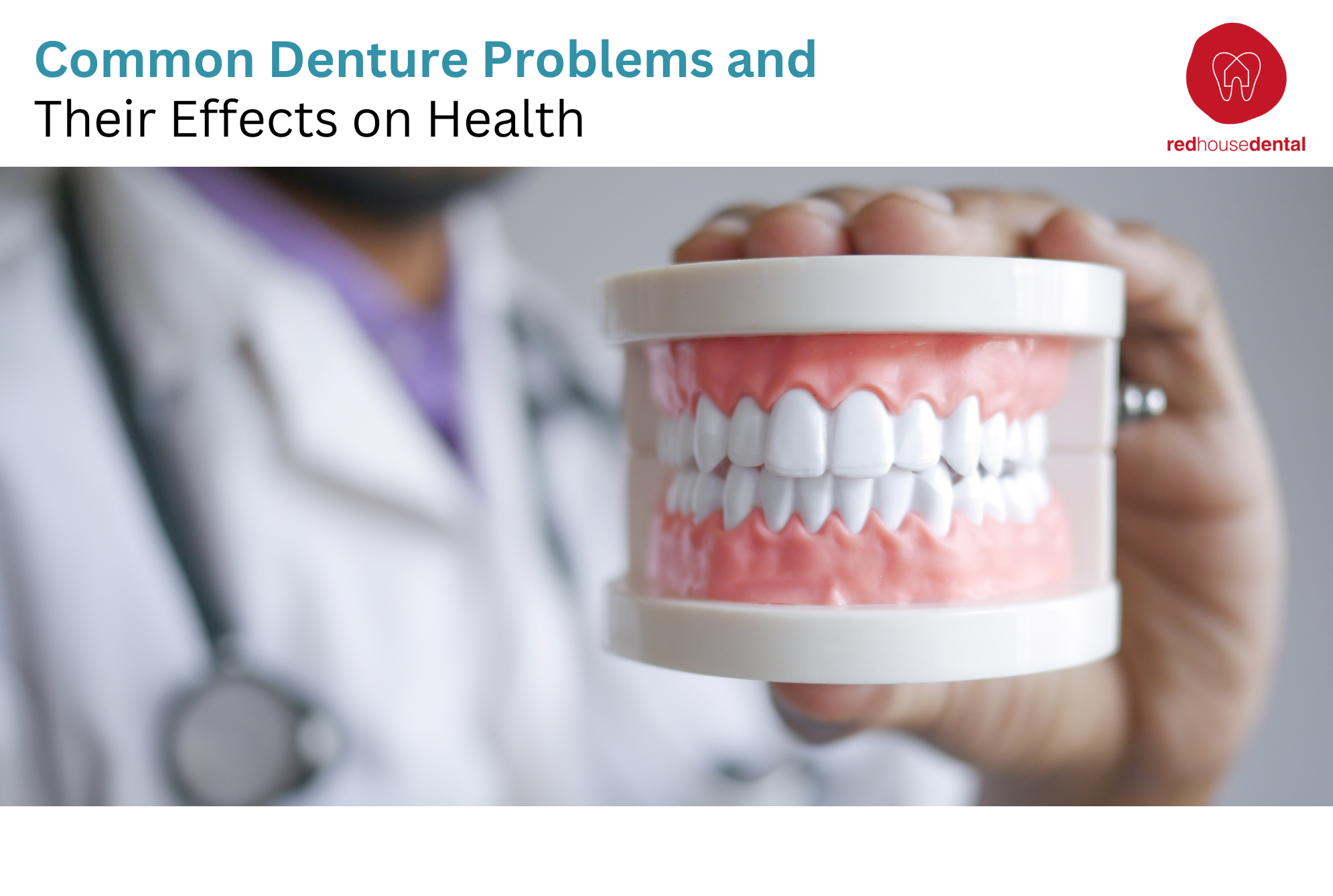
Dentures have enabled millions of people worldwide to regain their ability to eat, speak, and smile with increased confidence. Dentures play an important role in Canadians’ quality of life by replacing missing teeth. However, similar to any other dental product, denture issues may arise over time, and it is essential to be aware of how such complications can impact your overall well-being. Whether you use traditional dentures or snap-in dentures, understanding the potential challenges and how to overcome them can significantly impact your overall health.
Understanding Denture Problems
Denture issues are not as rare as one might think. Dentures are helpful but differ from natural teeth. They rest on your gums, and over time, your jawbone will naturally reduce as it adapts to no longer supporting the actual teeth. This means dentures may not always fit well, which can lead to various health problems.
An inappropriate fit is one of the most common problems that individuals face. Dentures may fall and move about in your mouth when they do not fit correctly in relation to your gums. This not only makes it hard and painful to chew but may also cause sore areas and mouth irritation. If you find yourself constantly adjusting your dentures, it may be time for a professional adjustment or relining.
Can Dentures Cause Breathing Problems?
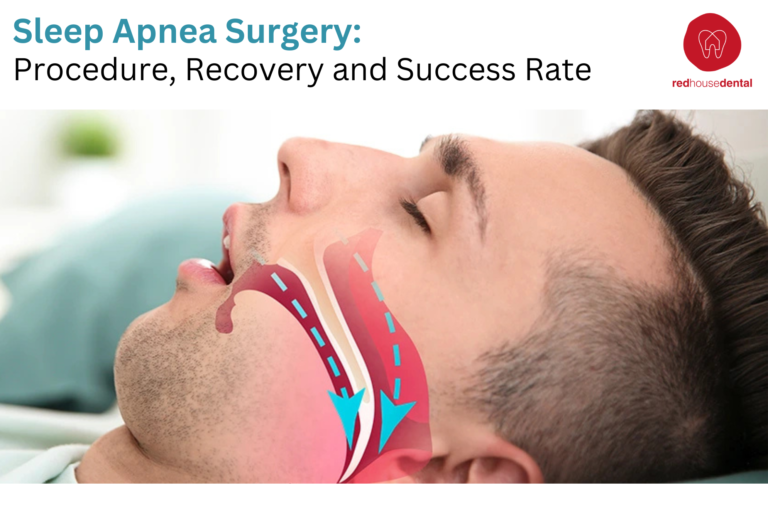
Many people ask, “can dentures cause health problems”? Yes, in some situations, the answer is yes. Although the properly fitted dentures are not supposed to affect your breathing, the ill-fitted dentures may occasionally cause problems with breathing. In case dentures are loose or not fitting, they may slip back in your mouth when you sleep or take a rest and may interfere with your airway slightly.
Also, with snap-in dentures that have special attachments or clasps, these parts may sometimes be out of place. This shifting can create an impression that one is being choked or can find it hard to breathe, particularly in some isolated cases, when he or she has certain underlying sensitivities to breathing. After getting the dentures, you should call your dentist at once in case of any breathing problems. At the Red House Dental we can be able to check the fit of your dentures and make the adjustments that are necessary to ensure they are comfortable and safe.
The Connection Between Dentures and Stomach Problems
A question that comes up frequently is, “Can dirty dentures cause stomach problems?” The solution is in the knowledge of how bad denture hygiene is for your digestive system. Without cleaning, bacteria and food particles may accumulate on the surface when the denture is not cleaned. When wearing these dirty dentures to eat, they may be ingested with the food you are eating, and this may cause digestive disturbance and stomach upsets.
Also, can dentures cause stomach problems? Yes, they can. When dentures are not fitted properly, they make the art of chewing to be complicated. This can cause you to swallow larger, inadequately chewed pieces of food, straining your digestive system. In the end, it can lead to the development of stomach swelling, pain, and other digestive problems.
Moreover, are dirty dentures the cause of stomach problems, such as harbouring candida? Absolutely. Filthy dentures may have fungus, which, when ingested during food intake, may be absorbed and lead to irritation of the digestive tract. This is the reason why it is important to have good denture hygiene as a way of taking care of your health.
Can Dentures Cause Sinus Problems?
Although dentures do not cause you to sinus issue more, poorly fitted upper dentures can, in some cases, indirectly affect your sinus health. When your upper denture is too deep in the space above your teeth or presses on specific areas, it may cause pain, which can be described as sinus-like.
More often, when denture complications are associated with a poor fit, individuals may adjust to the poor fit by overworking their jaw or by altering their bite. This tension in the muscles may sometimes cause or exacerbate complaints of shin pain.
The most effective methods of preventing this issue are regular cleaning of the denture, the examination of its correctness and the visit to my dental clinic at the follow-up appointment.
What Is the Most Significant Issue with Dentures?
If we’re being honest, what is the biggest problem with dentures? The majority of dental care experts agree that the primary issues are bone loss and changes in tooth fit. Your jawbone will start to shrink after losing your natural teeth, as there are no tooth roots to stimulate it. It is a process known as resorption, which occurs slowly yet constantly. Your dentures become looser and looser in months and years as your jaw shape changes.
All other difficulties that we have been discussing are the results of this ongoing fit problem. The movement of a loose denture causes sore spots, making eating difficult, and the food may be poorly chewed, which can be swallowed. It may also complicate the ability to speak well. This is why individuals with dentures should visit their dentist regularly to have their dentures adjusted and relined, ensuring they fit well.
Problems with Snap-in Dentures
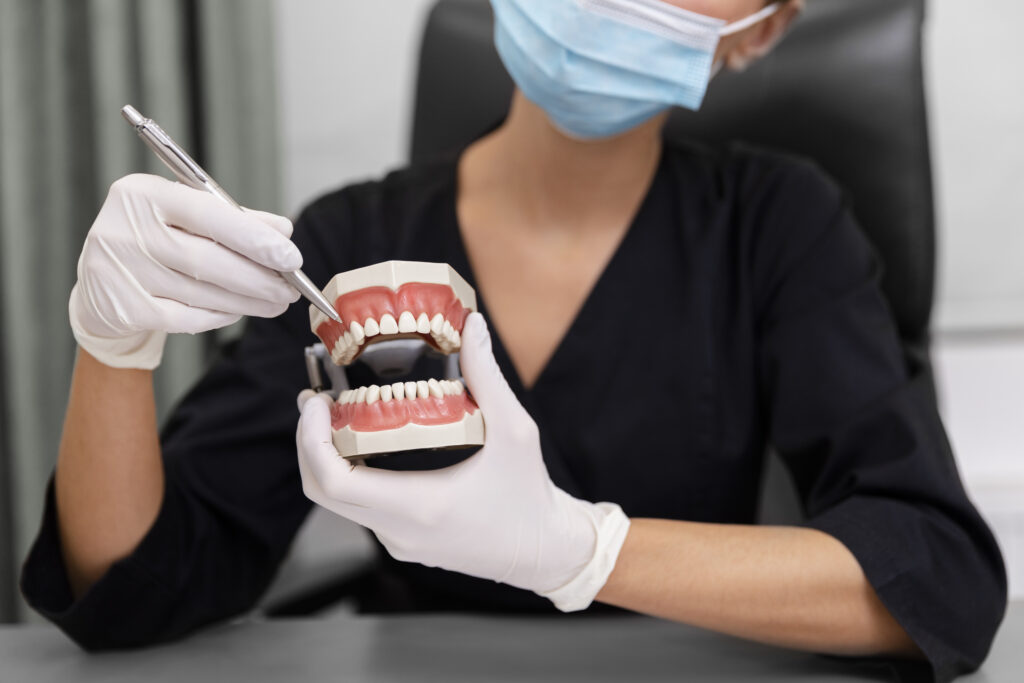
Most individuals prefer snap-in dentures due to their stability as compared to conventional dentures. There are, however, problems with snap-in dentures. These dentures have special attachments that fit to dental implants in your jaw. Although it has a better holding power, the attachments tend to wear out or become loose over time in this design.
The issue with snap-in dentures is that the attachments themselves require regular maintenance and periodic replacement. Without these components, or when they fail or become damaged, your denture will not snap into position. Moreover, keeping all the elements clean may be more complex than taking care of the traditional dentures, and one should be more attentive to the points of attachment.
How Common Denture Problems Affect Your Health
Common problems with dentures; they may actually affect your health. The inability to grind some food may make you omit some healthy foods, hence becoming deficient in some nutrients. In case of poor fitting dentures, you do not use it as often as you ought and this will affect your social life and self-esteem. The deficiency of adequate nutrition and digestive stress could arise when eating difficulties are experienced due to denture issues.
Taking Action
Denture problems have a solution, but it starts with a professional assessment. At Red House Dental, we know that your smile is worth a look. We listen to your problems and collaborate with you to resolve them. Be it medical, comfort, hygiene, or functionality, our skilled dental team will serve you.
The secrets behind maintaining the workability of your dentures are regular check-ups, proper cleaning, and timely adhesions. Denture issues should not be neglected. Call Red House Dental to schedule your appointment and ensure that your dentures are making you happy and healthy.
Always remember that dentures are a means to help you live your best life. They can do just that, with due care and professional help.
FAQs
1. Can dentures cause health problems?
Yes, dentures may lead to health issues in case they are not properly placed, or they are not regularly cleaned. Poorly fitted dentures may cause mouth sores, gum irritation, sinus/breathing discomfort, and even digestive complications in case the food is not chewed properly. Most of these complications can be prevented by good hygiene and regular check-ups in the dentist.
2. What is the most common problem with dentures?
The biggest issue with dentures is poor fit because natural bone is lost as time goes by. It may result in slipperiness, pain, inability to chew, and irritation of the mouth. Frequent denture adjustments and relining by your dentist allow comfort and functionality to be maintained.
3. How do dental problems affect your overall health?
Dental issues, such as the denture-induced ones, may influence your overall health in a variety of ways. Badly fitting or dirty dentures may cause infections, poor digestion and nutritional deficiency. Also, the oral bacteria may get into the blood and affecting the heart and respiratory conditions.
4. Can you live a normal life with full dentures?
Absolutely! Full dentures are comfortable and give many people confidence in their use. It is all about making sure they fit well, keeping your mouth clean and going to your dentist regularly as a guideline to readjust and clean your teeth. You are able to eat, talk and smile without any trouble with proper care.