Gum issues usually begin without notice. Many people believe that bleeding or mild gum swelling is normal. Many do not pay attention to it for weeks or months. This is how Gingivitis gradually expands, painlessly and unnoticed. One of the most common yet often missed gum problems is Gingivitis.
Gum disease is an early stage known as Gingivitis. It starts with the formation of plaque along the gum line. At first, the signs are small. Gums may look red. It can even come out when they brush. Some people observe bad taste in the mouth. Others feel nothing at all. Due to a lack of pain or minimal pain, most people do not take action.
The only thing people fail to understand is that early-stage Gingivitis is easy to reverse. Gums with proper care can be restored to health. However, if left unattended, Gingivitis may progress to severe gum disease. This may result in infected gums, loose teeth, and tooth loss.
This guide covers the definition of Gingivitis and the signs people often overlook that indicate how to contract it.
What Is Gingivitis and Why Does It Start Quietly
An early gum disease is Gingivitis. It occurs when plaque accumulates around the gums. Plaque is a sticky, bacteria-laden film. There is a risk of gum inflammation due to long-term plaque buildup on the teeth.
Most people do not experience pain in the early stages of Gingivitis. This is the reason why it is mostly overlooked. Gums can either be a little bleeding or slightly swollen. People believe that it is normal and continue.
Gingivitis is common. It impacts both adults and children. It can be caused by poor brushing, failure to floss, and failure to visit a dentist regularly. Smoking, stress and health complications such as diabetes are also risk factors.
The positivity is that Gingivitis does not destroy bone or teeth at the moment. This implies that the Gingivitis at an early stage is reversible. After removing plaque and caring for the gums, one can begin the healing process.
Neglecting Gingivitis can lead to deeper bacterial colonization under the gums. This may cause severe gum illness such as periodontitis. That phase is more difficult to treat and can be permanent.
Knowledge of Gingivitis leads people to act early. The best thing to do is prevent pain, save money and retain your teeth.
Most people do not give much attention to early Gingivitis Symptoms.
Beginning stages of Gingivitis
Gingivitis symptoms are often mild. Many people overlook them because daily life feels normal. This delay allows gum problems to grow.
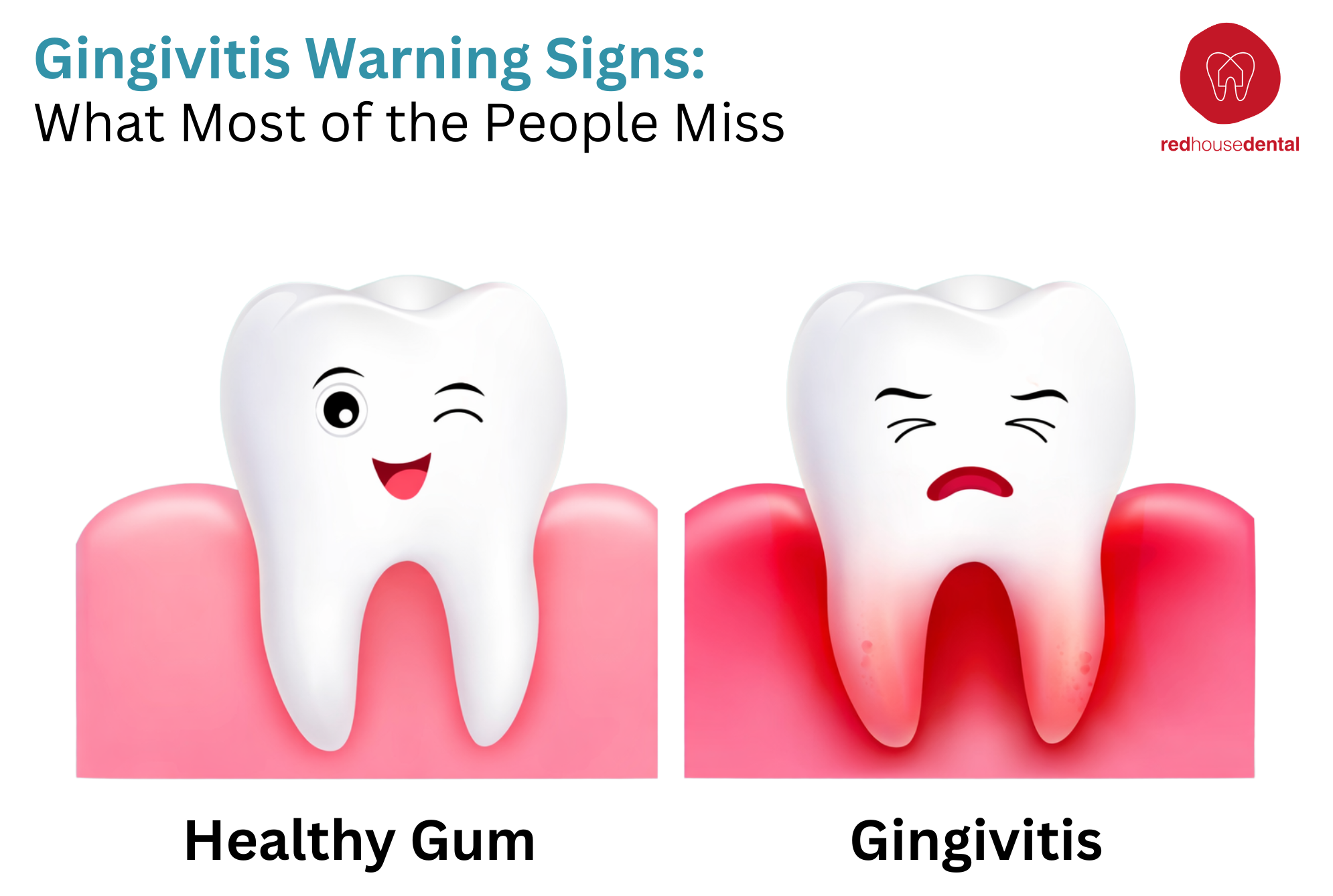
Common early signs include light bleeding while brushing or flossing. Gums may look red instead of pink. Some people notice gum swelling but no pain. Others feel their gums are soft or puffy.
Small signs that should never be ignored
- Bleeding gums during brushing
- Red or dark gums
- Mild gum swelling
- Bad breath that does not go away
Why do symptoms feel harmless at first
There is usually no pain in early-stage Gingivitis. Teeth still feel strong. Eating feels normal. This makes people think nothing is wrong.
Gingivitis causes cuts on the gums.
Small cuts or sores may appear on the gums. These happen because the gums are inflamed and weak. Bacteria enter easily through these tiny openings.
Ignoring these early signs allows the infection to grow under the gums. Early care can prevent the problem from worsening.
Gum Swelling and Bleeding: More Than a Brushing Issue
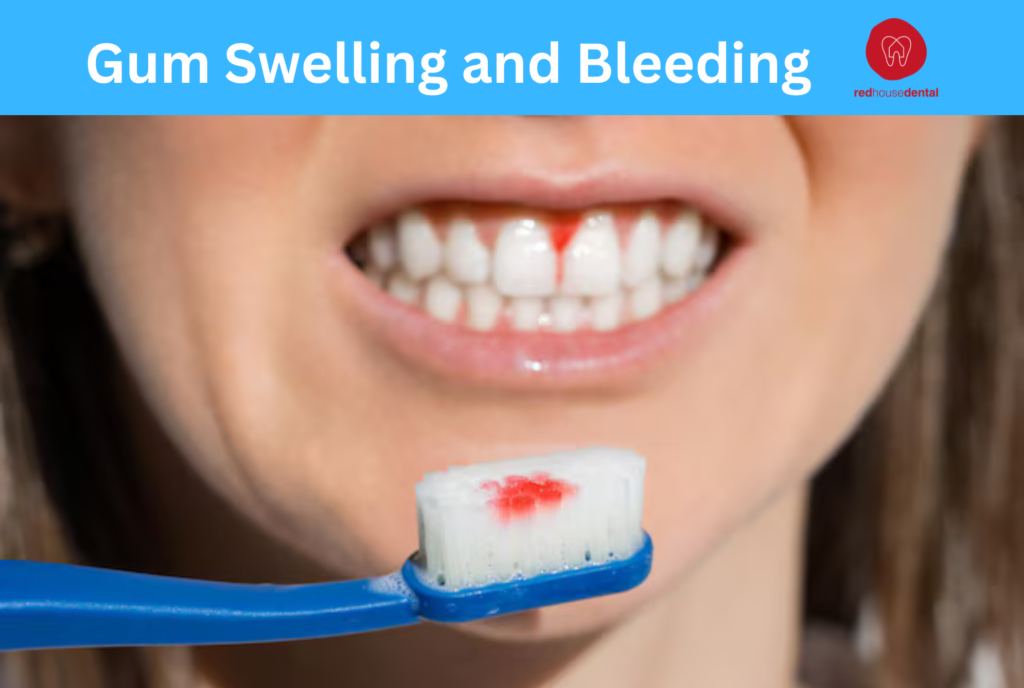
Gum swelling is one of the most obvious symptoms of Gingivitis. Gums are healthy and solid, and light pink. In the case of gingivitis onset, the gums are swollen, red, and soft.
Gum bleeding frequently occurs during brushing or flossing. Most people believe that they brushed too hard. The fact is that bleeding is an indicator of infection.
Gums react to plaque bacteria. In the fight against infection, the body delivers blood, which can lead to swelling. sensitizes the gums, making them more prone to bleeding.
Slightly swollen gums can be drawn away. This forms small areas where additional bacteria gather. Gingivitis is aggravated by this cycle.
Bleeding gums are not normal. Healthy gums do not bleed. Several days of bleeding cannot be overlooked.
Quick swelling and bleeding can be stopped by early treatment. Professional cleaning and improved home care go a long way.
Neglecting swelling allows bacteria to destroy gum tissue. This may lead to infected gums and even more serious issues.
Gum swelling is the body’s way of asking for help. Listening early keeps gums healthy and strong.
How You Get Gingivitis: Causes Explained Simply
In Gingivitis, it starts with the formation of plaque on the teeth. Without removal, bacteria can grow, irritating the gums.
The major causes are poor brushing and flossing. By missing dental appointments, plaque can turn into tartar. One cannot remove tartar at home.
Common causes of Gingivitis
- Not brushing properly twice daily.
- Skipping flossing
- Smoking or vaping
- Dry mouth
- Poor diet
Risky health conditions.
Patients who have diabetes, hormonal changes or disorders, or have weak immune systems are more likely to have Gingivitis. Stress and some drugs can also affect gum health.
Tartar buildup problems
The plaque becomes so hard to the extent that only a dentist can have it removed. The bacteria are bound to the tartar under the gums and this worsens the infection.
Prevention of gingivitis can be done by knowing what causes it and preventing it before it happens.
Risk Factors of Gingivitis People Often Miss
Some people are more likely to develop Gingivitis. These risk factors of Gingivitis often go unnoticed.
Smoking reduces blood flow to the gums. This aggravates the injury. Stress kills off the immune system, leaving the gums vulnerable.
Hormonal fluctuations during pregnancy or puberty can make the gums sensitive. Malnutrition decreases gum tissue. A lack of moisture causes reduced saliva, which helps remove bacteria.
Unless dentures or braces are cleaned, plaque may become trapped in the wear of the dentures or braces. Due to a lack of attention or medications, older peoples may have problems with their gums.
Ignoring these risk factors allows Gingivitis to develop faster. Knowing personal risk helps people take extra care.
Simple changes like better cleaning, quitting smoking, and regular checkups greatly reduce risk.
Infected Gums Cure: How Gingivitis Is Treated
Gingivitis is also cured by removing the plaque that irritates the gums. Professional dental cleaning is a safe method of removing hard tartar, reducing the risk of infection when combined with good daily care, and allowing the gums to recover naturally.
Home care for Gingivitis
- Brush twice daily with a soft toothbrush.
- Use fluoride toothpaste
- Floss every day
Professional treatment benefits
Dental treatment cleanses the inaccessible places. Patients are also taught by dentists how to brush and floss.
This helps the gums heal more quickly and prevents the recurrence of Gingivitis.
Can Gingivitis be reversed?
Yes, Gingivitis can be completely reversed at its initial stages. Cleaning the teeth with healthy brushing and flossing, and professional cleaning, may help maintain the gum colour and firmness, and failure to treat it may cause further dissemination of the infection.
Preventing Gingivitis Before It Starts
Gingivitis is preventable rather than curable. One day of little habits will help prevent the accumulation of plaque and swollen gums, and promote healthy, strong, and infection-free gums.
Key Preventing Gingivitis Steps:
- Always brush your teeth twice a day to help maintain healthy gums and bad breath.
- clean the teeth, between the teeth, and under the gum lines.
- Fluoridated water should be used to harden teeth and keep the gums healthy.
- Healthy foods will help strengthen the gums by providing nutrients.
- Sugar damages the gums and should be avoided because it promotes bacterial growth.
- Stop smoking and enhance blood circulation to heal gums.
Frequently brushing off plaque. Fit gums preserve the safety of the teeth indefinitely.

When to See a Dentist and Why Red House Dental Can Help
Gingivitis cannot be overlooked. Bleeding gums, gum swelling, or bad breath are warning signs to see a dentist. Early checkups avoid severe gum illness.
Why choose Red House Dental
Red House Dental believes that each smile is special. The care is personal and honest. Patients are taken through the process step by step, without any pressure.
The clinic accepts the Canadian Dental Care Plan (CDCP). This renders quality care affordable and stress-free.
Professed dentists use modern tools and gentle techniques. Urgent care is provided on a same-day basis. Visits are easy because of free parking.
Red House Dental is concerned with comfort, clear explanations, and long-term oral health.
Wait no longer till gum pain occurs. Schedule a visit to Red House Dental and save your gums before the issues escalate.
Frequently Asked Questions (FAQs)
What is Gingivitis?
Gingivitis is a gum disease caused by plaque and leaves the gums swollen, reddish or bleeding, the side effects are reversible through proper early treatment.
Are bleeding gums normal?
No. no bleeding, infection or sore gums. During brushing and flossing, there would be no bleeding of the right gums.
Can Gingivitis pass?
No. Gingivitis must be treated and dealt with. Otherwise, it may cause severe gum diseases.
What is the healing time of Gingivitis?
These issues will be solved in the initial stages with professional and regular care in the course of 1-2 weeks.
When is a dentist referred to?
People are supposed to see the dentist in the event of bleeding, swelling and bad smells in the gums which lack healing after a few days.