Most people spend years worrying about their teeth. Whiteness, straightness, cavities. Gums barely get a thought until something goes wrong.
Then the toothpaste spit is pink one morning. Or the dentist says something at the dental check up about recession. Or a tooth that felt completely solid suddenly feels a bit wobbly.
By that point the problem has usually been building for a while.
Gums hold everything in place. Get those wrong and the teeth sitting above them are already in trouble. Knowing how to make gums strong before things go sideways is a whole lot simpler than reversing damage that has already settled in. Red House Dental in Richmond Hill talks about this with patients all the time. Here is what genuinely makes a difference.
Why Gum Problems Catch People Off Guard
Gum disease does not hurt at first. It creeps in quietly over months, sometimes years, while everything feels completely normal.
No aching. No obvious signs. Then a dental check up picks up recession or bone loss that has been developing the whole time without a single symptom.
That is what makes it so easy to miss. By the time gum disease makes itself known, it is already established. How to make gums strong is not difficult knowledge but it does require doing something about it before pain forces the issue.
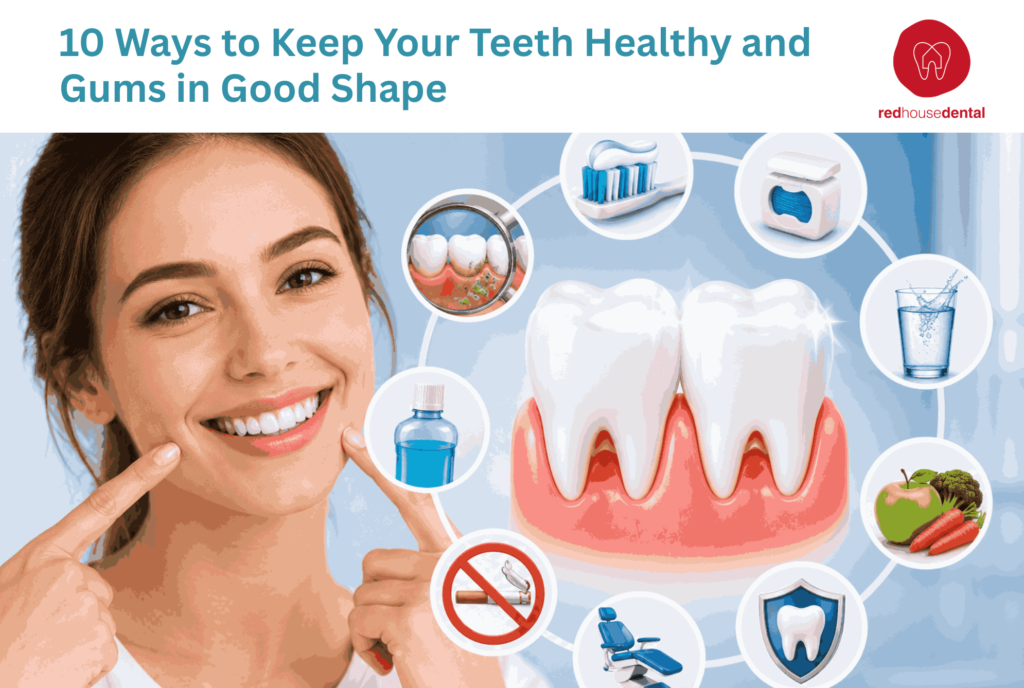
10 Ways to Keep Your Teeth Healthy and Gums in Good Shape
1. Brush the Right Way
Brushing twice a day is the foundation of any oral care procedure. Most people do it wrong.
Hard scrubbing damages gum tissue. Soft bristles, gentle pressure, small circles angled toward the gum line. Two full minutes. Most people quit after 45 seconds.
2. Floss Every Day Without Skipping
Asking how to make gums strong without flossing daily is like asking how to stay fit without ever moving. The toothbrush completely misses the gaps between teeth. Plaque sitting in those gaps triggers gum inflammation. Left long enough it hardens into tartar that only a professional can remove.
Dental floss before brushing. Whatever gets loosened then gets cleared away.
3. Use the Right Toothpaste
Fluoride toothpaste is the standard recommendation across dentistry. It strengthens enamel and fights decay.
For people specifically focused on how to strong teeth gums, there are formulations aimed at gum health worth looking into. Your dentist can point you toward the right one at your next dental check up rather than guessing off a shelf.
4. Drink Water Consistently Through the Day
Water rinses food and bacteria off teeth between meals. Canadian tap water is fluoridated in most areas which adds enamel protection on top of that.
Dry mouth speeds up bacterial buildup. Saliva is the mouth’s natural cleaning system. Staying hydrated keeps it working properly.
5. Look at What You Are Actually Eating
Diet is a bigger part of how to make gums strong than most people connect.
Cut back on:
- Sugary snacks and drinks that feed plaque-producing bacteria
- Soft drinks and citrus that wear enamel down over time
- Sticky foods that cling to teeth between brushing
Eat more of:
- Crunchy raw vegetables that stimulate saliva naturally
- Dairy products high in calcium for bone and tooth support
- Leafy greens carrying vitamins that gum tissue genuinely needs
6. Stop Smoking
Smoking cuts blood flow to gum tissue, slows healing, and masks bleeding. That last part is the tricky one. Gums that should be bleeding as a warning sign are not, making everything appear healthier than it is while disease keeps building underneath.
For anyone seriously asking how to make gums strong, smoking is the biggest obstacle standing in the way.
7. Follow a Consistent Oral Care Procedure
Order and consistency matter more than people realise.
A solid oral care procedure looks like this:
- Floss between every tooth first
- Brush all surfaces for two full minutes
- Clean the tongue to reduce bacterial buildup
Done consistently twice a day this produces completely different outcomes from a rushed 30 second brush before bed.
8. Get to Your Dental Check Up Twice a Year
A dental check up is not for when something hurts. It is specifically designed to find problems before they cause pain.
At a dental check up the dentist looks for early gum disease, decay, and changes that have not yet triggered symptoms. The hygienist removes tartar that daily brushing cannot shift. Catching things at this point is simpler and cheaper than treating them once they are established.
People with existing gum concerns may need to come in more often than twice a year. Your dentist advises this at the dental check up based on what they actually find.
9. Consider Your Overall Health
Stress genuinely weakens the immune response and makes the body less effective at fighting gum bacteria. Diabetes has a well established connection to gum disease as well. Each condition makes the other harder to manage.
If ongoing health conditions are part of the picture, keep the dentist informed. How to make gums strong sometimes means looking beyond just the mouth care procedure and at what else is happening in the body.
The Benefits of Oral Care Go Further Than Most People Realise
The benefits of oral care are not just cleaner teeth and better breath.
Research links gum disease to heart disease and complications with diabetes among other conditions. Bacteria starting in the mouth do not always stay there.
The benefits of oral care genuinely extend to broader health in ways most people do not fully connect until someone explains it to them properly.
How to Strong Teeth Gums Long Term
People want a shortcut. One product that fixes everything.
The real answer to how to strong teeth gums long term is repetition with basics. Brush well. Floss daily. Drink water. Eat reasonably. Quit smoking if that applies. Show up to the dental check up. Tell the dentist when something feels different.
None of it is complicated. Most of it is cheap or free. The difficulty is doing it when nothing hurts yet.
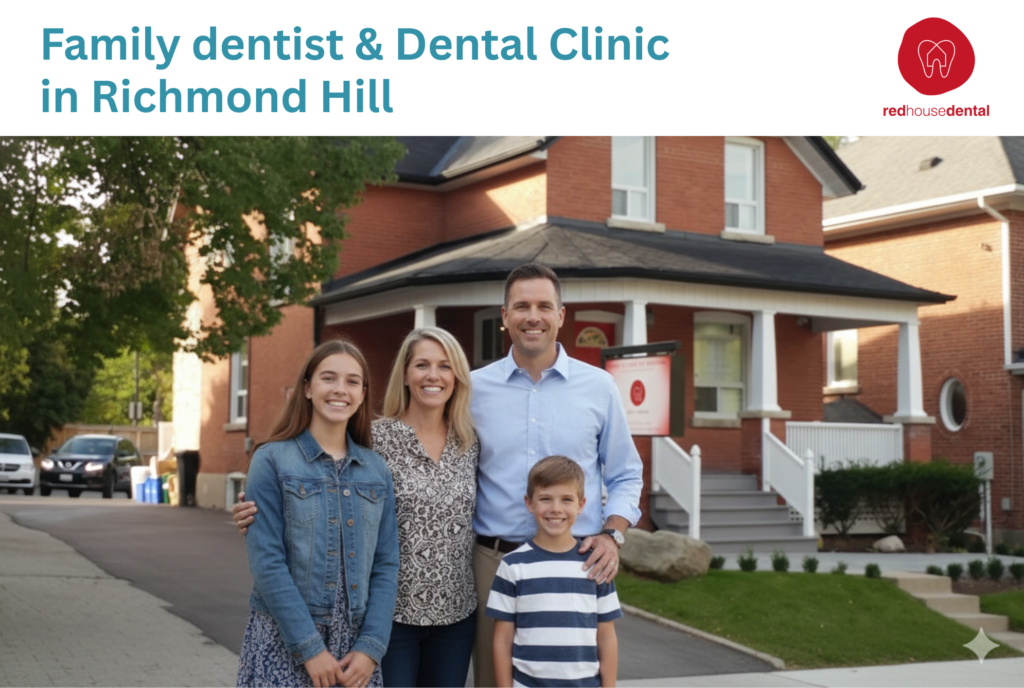
Red House Dental in Richmond Hill
Red House Dental is at 38 Arnold Crescent, Richmond Hill, ON. Gum health and preventive care are central to what the team does every day.
Patients get a proper look at what is actually happening before anything else. The team explains findings in plain language. Gum concerns get raised at the dental check up before they progress further. The mouth care procedure here is thorough, not rushed.
The dental clinic in Richmond Hill accepts the Canadian Dental Care Plan (CDCP), which covers preventive treatments including checkups and cleanings for eligible patients. Dentists include Dr. Ria Pudjo, Dr. Kavita Gupta, Dr. Sandeep Tayal, and Dr. Susie Ang.
Call +1 (905) 883-4643. Monday to Friday 8am to 6pm, Saturdays 9am to 3pm. Free parking outside.
Frequently Asked Questions (FAQs)
How fast can gum health improve?
Early inflammation settles within two weeks of consistent brushing and flossing for most people. Advanced gum disease needs professional treatment and takes longer. Starting earlier always means faster improvement.
Do receded gums grow back?
No. Recession does not reverse on its own. The right oral care procedure stops it getting worse. A graft may be worth discussing with your dentist where recession is significant.
Should bleeding gums concern me?
Yes. Bleeding is not normal. It signals inflammation from plaque along the gum line. Daily flossing usually settles it within two weeks. If it continues bring it up at your dental check up.
How often is a dental check up actually needed?
Twice a year for most people. Those with existing gum disease may need every three to four months. Your dentist determines what is right for your specific situation.
What are the real benefits of oral care beyond appearance?
The benefits of oral care include reduced gum disease and tooth loss risk, and research connects poor oral health to heart disease and diabetes complications. Mouth care genuinely impacts overall health more than most people realise.