Most people do not look forward to dental care, but occasionally our teeth require extra attention to stay healthy. The process of having a root canal may not sound enjoyable; however, it is a procedure that helps save your tooth and alleviate the pain. At Red House Dental in Richmond Hill, we ensure that patients are informed when they require a root canal and that the process is as painless as possible.
This is a comprehensive guide on the signs you need a root canal and what you should do.
What Is a Root Canal?
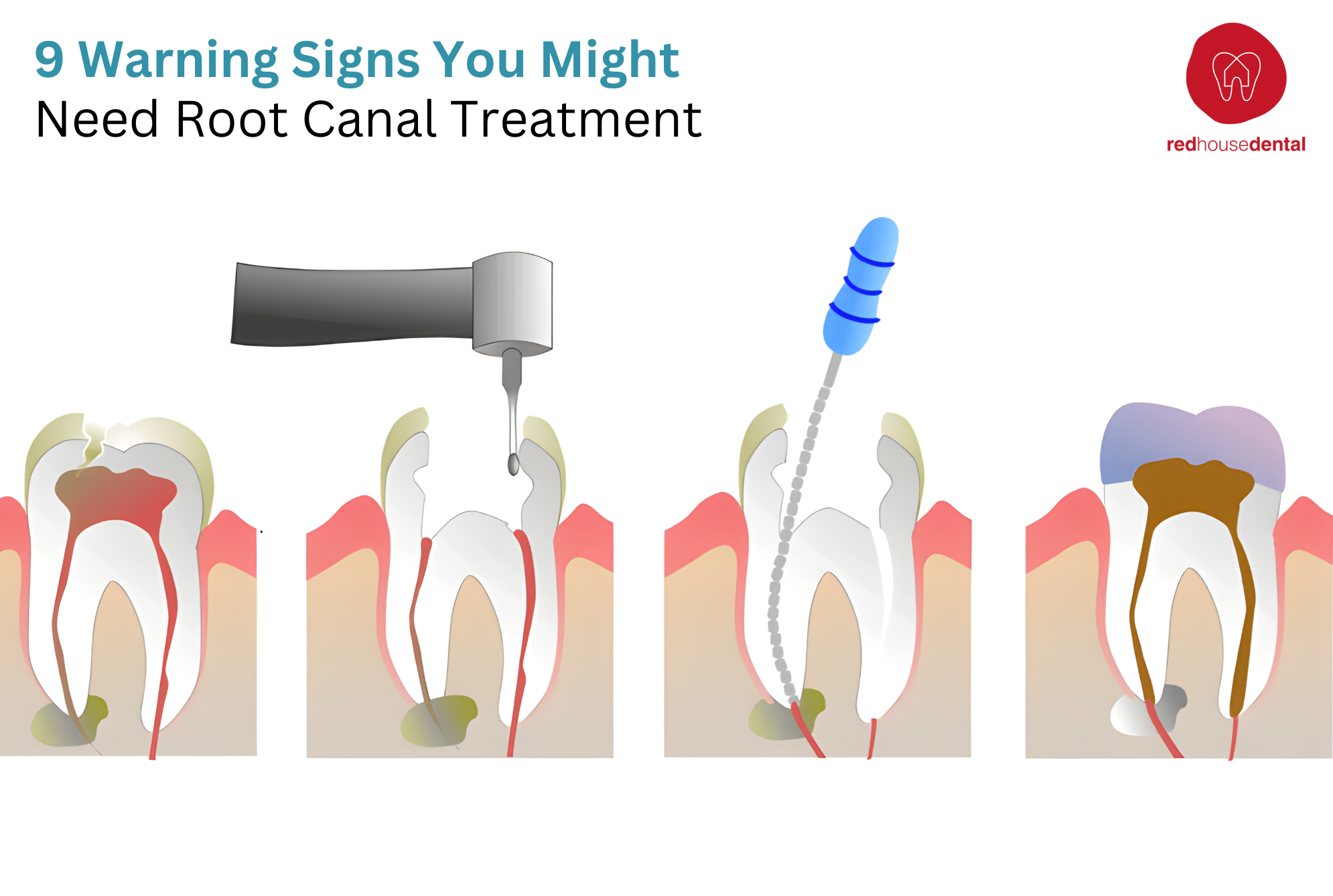
First, it is important to know signs you need a root canal. The pulp is a soft tissue found in each tooth and it consists of nerves and blood vessels. In case of infection or damage of this pulp, it may cause serious pain and other complications. Root canal is the procedure which involves removing the infected pulp, cleaning of the inside of the tooth, filling it and closing it. This would enable your natural tooth to be saved rather than be extracted.
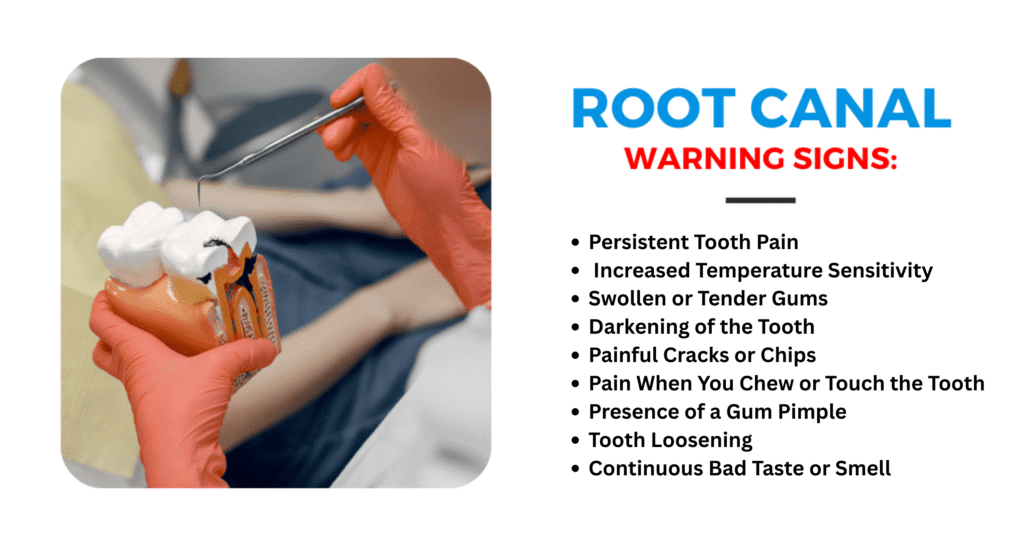
Sign 1: Persistent Tooth Pain
The most definite sign of a root canal requirement is persistent pain in the tooth. This pain is more persistent and intense than regular or mild tooth pain. It can be made worse by eating, biting or pushing on the tooth and in other instances it can even wake you up in the night. The pain may occur in different degrees and also different qualities – some have the sharp stinging pain and others complain of stiff and throbbing pain that is experienced over long hours. Constant toothache is another solid indicator that the patient needs help with a dentist to avoid additional harm.
Sign 2: Increased Temperature Sensitivity
Do you have sharp and ongoing pain when eating hot or cool food and drinks? This is one of the common root canal signs and symptoms. Normally, teeth handle temperature changes without lasting discomfort. Nevertheless, a long period of sensitivity, even after consumption of food or beverage, is typically an indicator of a tooth issue requiring care by the dentist. With time, the untreated temperature sensitivity can become even more problematic, as even relatively small changes in temperature cause pain and may even interfere with your comfort in terms of being able to enjoy everyday meals.
Sign 3: Swollen or Tender Gums
Be careful of the gums around the affected tooth. Are they red, swollen or tender to touch? The root canal infection symptoms is swelling. A small bump, known as abscess, can be formed and produce foul tasting fluid in some cases. These symptoms show that your body is fighting an infection in the tooth. The swollen or tender gums should not be ignored and this can lead to the spread of the infection which may lead to more severe complications in the tooth and long-term pain.
Sign 4: Darkening of the Tooth
As the tooth starts to change color to grey, dark yellow or brown, it may indicate that the pulp within is dying or already dead. This condition of discoloration is caused by the inability of nerves and blood vessels in the tooth to operate. The darkening of teeth is usually slow, yet it is a visual alarm of the fact that the inner structure might be damaged. Discoloration cannot be ignored, and it will be an indicator of underlying issues that, unless dealt with, will need more complex dental work later.
Sign 5: Painful Cracks or Chips
A small crack or a chip on a tooth will open the pulp and lead to an infection. You may not recall the occurrence of the damage but pain or tenderness with biting may be a sign of a root canal. Treatment of broken or chipped teeth at an early stage prevents further dissemination of infection, pain and preserves the structure of the tooth, when is a root canal necessary in the future.
Sign 6: Pain When You Chew or Touch the Tooth
Are you more uncomfortable when chewing or do you feel that one tooth is sore than another? The sensation of pain during pressure may be evidence of infection or inflammation in the inner part of the tooth. This may cause the ligaments of the tooth root to swell. This is another good sign of how do I know if I need a root canal.
Sign 7: Presence of a Gum Pimple
The gums may occasionally develop a tiny white or red bump, known as a fistula or gum boil. That is how the body eliminates an infection in the tooth. Bad taste or odour may also be detected. Any pimple on the gum must be dealt with immediately, as it is often a root canal infection symptoms.
Sign 8: Tooth Loosening
Adult teeth are expected to be stable. When a tooth moves or becomes loose upon touching, it may be as a result of infection that weakens the bone in which the tooth is held. Infected tooth pus makes the bone around it soft and therefore makes the tooth weak. The evaluation should be done immediately in order to avoid tooth loss.
Sign 9: Continuous Bad Taste or Smell
The bad taste or foul smell in your mouth, though you have brushed your teeth and applied a mouthwash, is also an indicator of an internal tooth infection. Bacteria within the tooth cause waste which results in these distasteful symptoms. Some neglecting them can result in the infection becoming more severe and severe dental and health issues in the long run. Timely dental assessment will eliminate the infection, heal the mouth, and raise the general level of comfort and confidence.
What Should You Do If You Notice These Signs?
You need to get treatment immediately if you observe any of these signs you need a root canal. The greater the speed of action on the problem, the higher the chances that you will save your tooth. The situation will be aggravated by the wait, and it may eventually lead to the removal of the teeth.
At Red House Dental, the root canal treatment is as painless as possible, utilizing current methods and gentle care. The relief of most patients is primarily geared towards treating the infection, and the pain finally subsides.
How Our Team Supports You
When you come to our clinic with pain in the teeth, we perform a detailed examination, in many cases with the help of X-rays, which help to identify the internal state of the teeth. We describe every step of the process in detail, giving you the idea of what you are going to see. Our group believes in honesty, transparency, and fair prices.
Dentists such as Dr. Ria Pudjo, Dr. Kavita Gupta, Dr. Sandeep Tayal, and Dr. Susie Ang have many years of experience in helping patients to feel fine and assured about their dental health. Emergency appointments are also accommodated, and you will be able to get timely care when you need it the most.
Don’t Ignore the Warning Signs
Your teeth are important. They help you eat, speak, and smile with confidence. If you’re wondering “how do I know if I need a root canal,” trust your body. The above symptoms, persistent pain, swelling, sensitivity, discoloration, or any other symptoms mentioned above are the signals of problems in your body. Root canal treatment also helps in eliminating pain as well as avoiding spreading infections to others as well as body parts.
Among these root canal signs and symptoms, in case you are experiencing any of them, call Red House Dental at 905-883-4643 or text 647-518-4643. One can also send an email to reception@redhousedental.com.
or call us at 38 Arnold Crescent, Richmond Hill. We take the Canadian Dental Care Plan (CDCP), and there is also free parking.
Don’t put off dental care. Your smile is worth the effort, and that is what we do; we aim to keep your root canal experience safe, effective, and stress-free as much as we can.
Frequently Asked Questions
1. What is the duration of a root canal?
Root canal will typically require 1-2 visits based on the tooth and severity of the infection. The duration of each appointment is 60-90 minutes. The exact time that your case will take will be discussed with your dentist.
2. Is a root canal painful?
With the new anesthetic procedures and non-aggressive dental procedures, the majority of patients do not feel much pain when having a root canal. There can be a mild soreness after the procedure but it can be treated by taking over-the-counter pain medications.
3. Can a root canal save my tooth?
Yes. Root canal therapy involves the elimination of pulp (infected), cleaning of the tooth and sealing it. This saves your natural tooth and in most cases, you do not have to extract it.
4. How do I determine whether I require a root canal or a filling?
The continuous pains, swellings, the darkening of the tooth, or having a gum pimple usually means that the pulp is infected and has to be treated by a root canal. Little cavities with no pulp complications are usually sufficient with fillings alone.
5. What would be the effect of postponing a root canal?
Delay in treatment may give time to the infection to spread resulting in more pain, loss of teeth and even more severe health complications. Early treatment enhances the success rates and also it will save your natural tooth.