A smile means a lot. It helps a person feel happy. It helps them to consume their favourite food. It helps them talk with ease. Daily life will become different when teeth are missing or severely damaged. Chewing may not feel right. Words may sound unclear. Some people quit smiling in pictures. A dental prosthesis may change things there.
Dental prosthesis is designed to resemble missing teeth. It is made in a special way so that it appears natural and comfortable. It may substitute a single tooth or numerous teeth. To certain individuals, it is a complete restoration of the smile.
Full restoration of the smile is not merely filling in. It is concerned with the assistance of the mouth to work again. It is of comfort, health, and confidence. When equipped with the correct dental prosthesis and with professional care, one can smile with ease now and live a normal life without fear.
This guide will discuss how full smile restoration works and why professional dental care is important.
Understanding What a Dental Prosthesis Really Is
A dental prosthesis is a replacement for a missing or damaged tooth. It is custom-made to fit a person’s mouth. It matches the size, shape, and colour of natural teeth.
Teeth can be lost for many reasons. Tooth decay can weaken them. Gum disease can make them loose. Accidents can break them. When a tooth is gone, the space does not stay quiet. Nearby teeth may slowly move. The bite can shift. The jawbone may begin to shrink.
A dental prosthesis helps stop these problems.
It may be:
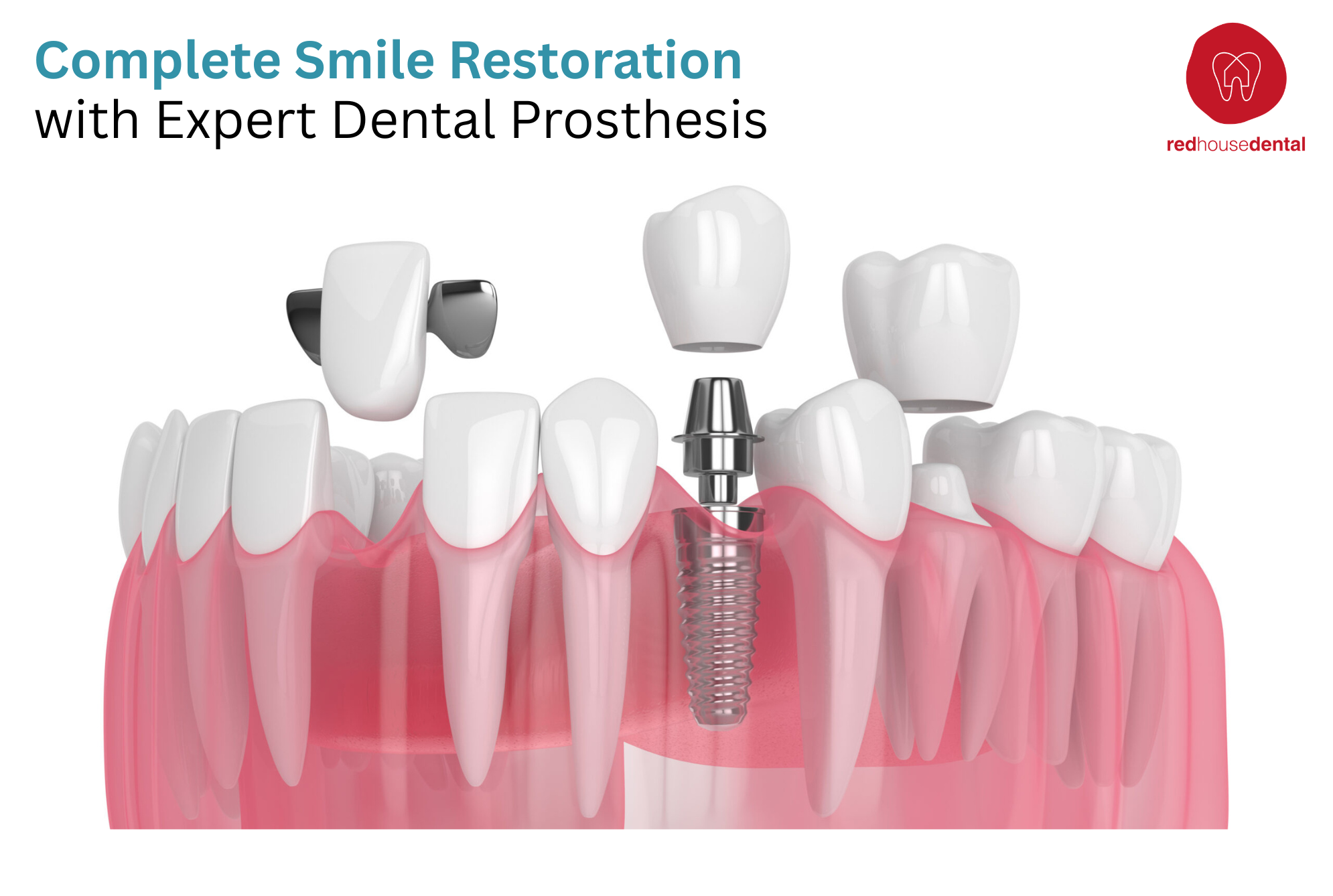
- A single crown covering a weak tooth
- A bridge filling a gap
- A denture replacing several teeth
- A tooth attached to a dental implant
Each option is made to restore both function and appearance.
The goal is simple. The person should be able to chew, speak, and smile without thinking about it. When a dental prosthesis fits well, it feels like part of the body.
Why Complete Smile Restoration Is Important
Losing teeth affects more than just looks. It affects daily life in quiet ways.
Eating Becomes Difficult
Teeth help break down food. Without them, chewing can feel uneven. Some people avoid harder foods like apples or nuts. Over time, poor chewing can even affect digestion.
A well-made dental prosthesis helps restore proper chewing. Food feels easier to manage again.
Speech Can Change
Teeth guide the tongue when forming words. Missing front teeth can change certain sounds. A dental prosthesis helps speech return to normal.
The Face Can Shift
The jawbone may shrink, and the teeth may be missing over a prolonged period of time. This can result in sunken cheeks. Dentures are an appropriate replacement of the tooth that helps the face and maintains its natural shape.
The full smile restoration takes a look at all these issues. It is concerned with balance, comfort, and long-term health. It is not just about re-fixing teeth but a life with comfort and confidence back.
Different Types of Dental Prosthesis
There is no single solution for everyone. A dentist chooses the right dental prosthesis based on the person’s needs.
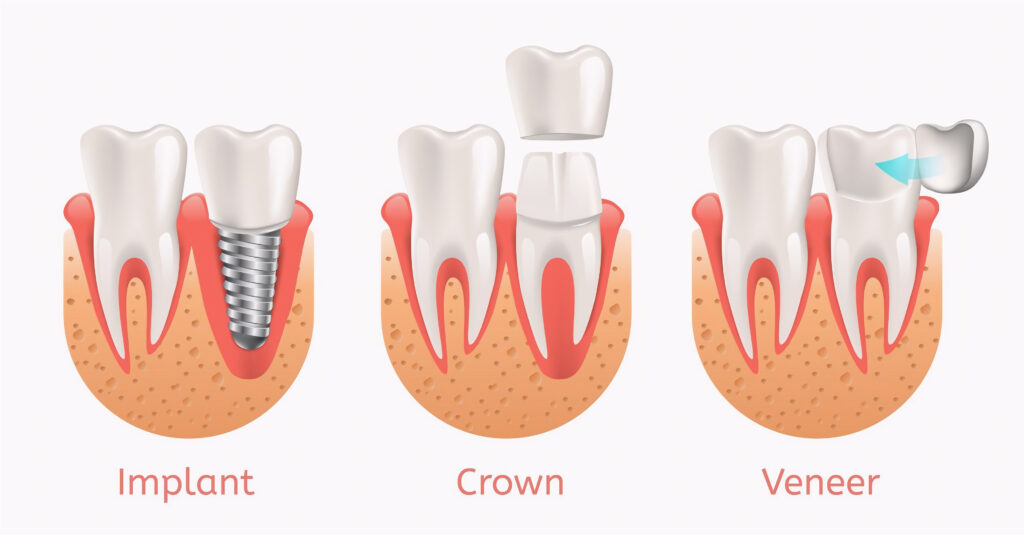
Crowns
A dental crown covers a damaged tooth. It protects and strengthens it. The tooth keeps its root, but the top is restored.
Bridges
A bridge replaces one or more missing teeth. It is supported by nearby teeth or implants.
Dentures
Dentures replace several or all teeth. They can be partial or full. Some are removable. Others are supported by implants for added stability.
Implant-Supported Teeth
A dental implant is placed into the jawbone. A crown or bridge attaches to it. This option feels very secure and natural.
The best choice depends on:
- How many teeth are missing
- Gum health
- Bone strength
- Budget
- Personal comfort
A careful discussion helps decide the right path. Every dental prosthesis is made to match the person’s smile and bite.
The Step-by-Step Process of Smile Restoration
Restoring a smile takes planning. It does not happen in one rushed visit.
The First Appointment
The dentist checks the teeth and gums carefully. X-rays may be taken. The bite is studied. This helps find hidden problems.
Creating a Plan
After the exam, the dentist explains all options. Costs are discussed clearly. The patient decides what feels right.
Preparing the Mouth
Sometimes, cleaning or gum treatment is needed first. If a tooth cannot be saved, it may need removal.
Designing the Dental Prosthesis
Digital scans or moulds are taken. A dental lab creates the dental prosthesis with care. The colour and shape are matched closely.
Fitting and Adjustments
When ready, the prosthesis is placed. The dentist checks comfort and bite. Small adjustments may be made.
Follow-up visits ensure everything feels right. Proper planning leads to lasting results.
Benefits of Choosing Expert Care
Skill matters. A poorly fitted dental prosthesis can feel loose or uncomfortable. It may rub against gums or affect chewing.
Expert care helps avoid these problems.
A well-designed dental prosthesis can:
- Feel stable while chewing
- Blend naturally with real teeth
- Support facial structure
- Reduce jaw strain
- Improve self-confidence
Modern tools allow dentists to measure the bite precisely. Strong materials help the prosthesis last longer. Honest advice ensures patients only receive treatments they truly need.
Smile restoration is not rushed. It is done carefully. When handled by experienced professionals, the results feel natural and long-lasting.
Caring for a Dental Prosthesis
Good care protects the investment.
Daily cleaning is important. Teeth should be brushed twice a day. If the dental prosthesis is removable, it should be cleaned gently outside the mouth.
Hot water should be avoided. It can change the shape.
Regular dental visits help maintain proper fit. Gums can change over time, and small adjustments may be needed.
Healthy habits also matter:
- Avoid chewing ice
- Do not use teeth to open packages
- Eat a balanced diet
- Stop smoking if possible
Even full denture wearers must care for their gums. Clean gums support comfort.
With simple daily care, a dental prosthesis can last for many years.
Who Can Benefit from Smile Restoration?
Many people benefit from a dental prosthesis.
Young adults who lose teeth in sports accidents may need one. Older adults with worn or missing teeth may choose full restoration. Even people with one broken tooth can improve comfort with proper treatment.
Smile restoration helps those who:
- Feel shy about gaps
- Have trouble chewing
- Notice speech changes
- Experience jaw discomfort
Before treatment, medical history is reviewed. Most people are good candidates.
Many patients say they wish they had not waited so long. Once the smile feels strong again, daily life becomes easier. Eating feels normal. Smiling feels natural.
Restoring a smile is not just about teeth. It is about comfort and confidence returning.
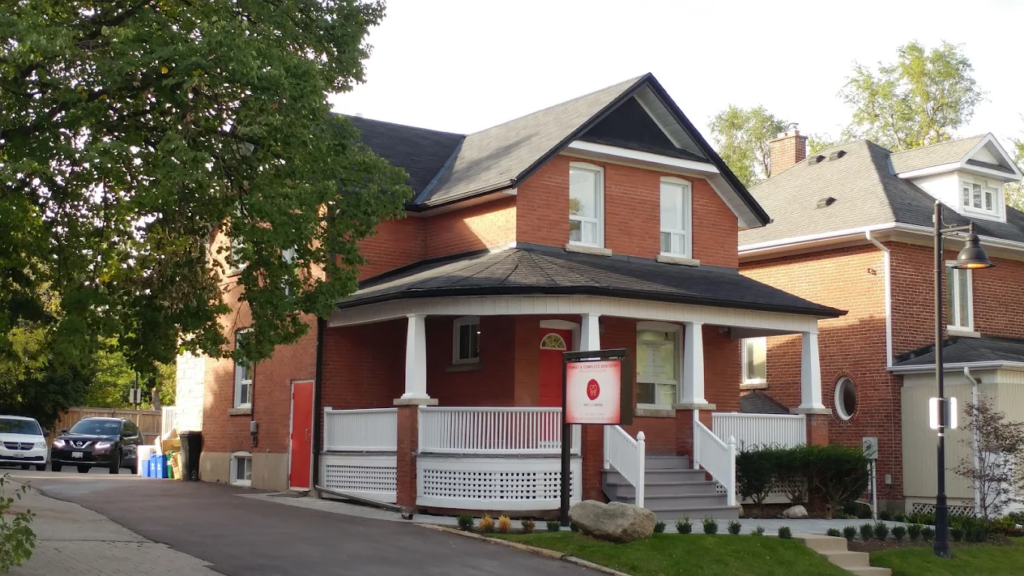
Restore Your Smile at Red House Dental
Complete smile restoration requires time and attention. At Red House Dental, a dental clinic in Richmond Hill, all patients are given personal attention.
The team knows that there are no two identical smiles. They take time to listen. They describe choices in a clear manner. There is no pressure.
Red House Dental is a dental clinic that accepts the Canadian Dental Care Plan (CDCP), which makes it easier to pay for treatment. Care can be checkups, cleanings, fillings and root canals, dentures etc.
Patients prefer them as they provide:
- Experienced and friendly dentists
- Honest recommendations
- Modern dental tools
- Same-day emergency care when available
- Free parking
- Clear pricing
The clinic is situated in Arnold Crescent, 38, Richmond Hill, Ontario.
Appointments can be made on Monday to Friday and in the morning time on Saturdays.
Any person who has been waiting to have his smile back can make the first step today. High quality dental prosthesis has the ability to change the way one eats, talks and smiles.
Call +1 (905) 883-4643 and book a visit. An attractive smile could never be neglected.
FAQs
1. What is the lifespan of dental prosthesis?
A dental prosthesis may have a lifespan of many years with proper care and regular visits to a dentist. Wash everyday, no hard foods and visit the dentist to have a check up.
2. Is it painful to have a dental prosthesis done?
The majority of treatment is comfortable. Freezing is used by dentists to help in avoiding pain. There will be mild soreness that can be short lived but in most cases, it heals fast.
3. Is it possible to make a dental prosthesis natural?
Yes. Contemporary materials are a close replica of actual teeth. A dental prosthesis is designed to integrate with the other teeth in the mouth when made correctly and look quite natural.
4. What is the frequency of visiting the dentist after treatment?
The majority of them ought to visit twice annually. Others might require increased visits based on the health of the gums and the nature of the dental prosthesis.
5. Do the Canadian plans cover treatment?
Insurance provides coverage. Some services can be covered by the Canadian Dental Care Plan. The dental office is able to describe advantages and give a clear description of costs.