Teeth grinding is a common habit. Many people grind their teeth during sleep. Some grind their teeth during the day. This habit can slowly hurt teeth. The damage may not show fast, but it grows over time. Teeth can chip. Teeth can crack. Pain can start. A simple tool can help. This tool is called a mouth guard.
This blog explains how a mouth guard helps protect teeth from grinding damage. It uses easy words. It follows a simple tone. It helps readers understand care clearly.
Grinding can harm enamel. Grinding can lead to pain. Grinding can also cause the need for a dental filling later, protection matters. Early care helps teeth stay strong and safe.
What Is a Dental Mouth Guard?
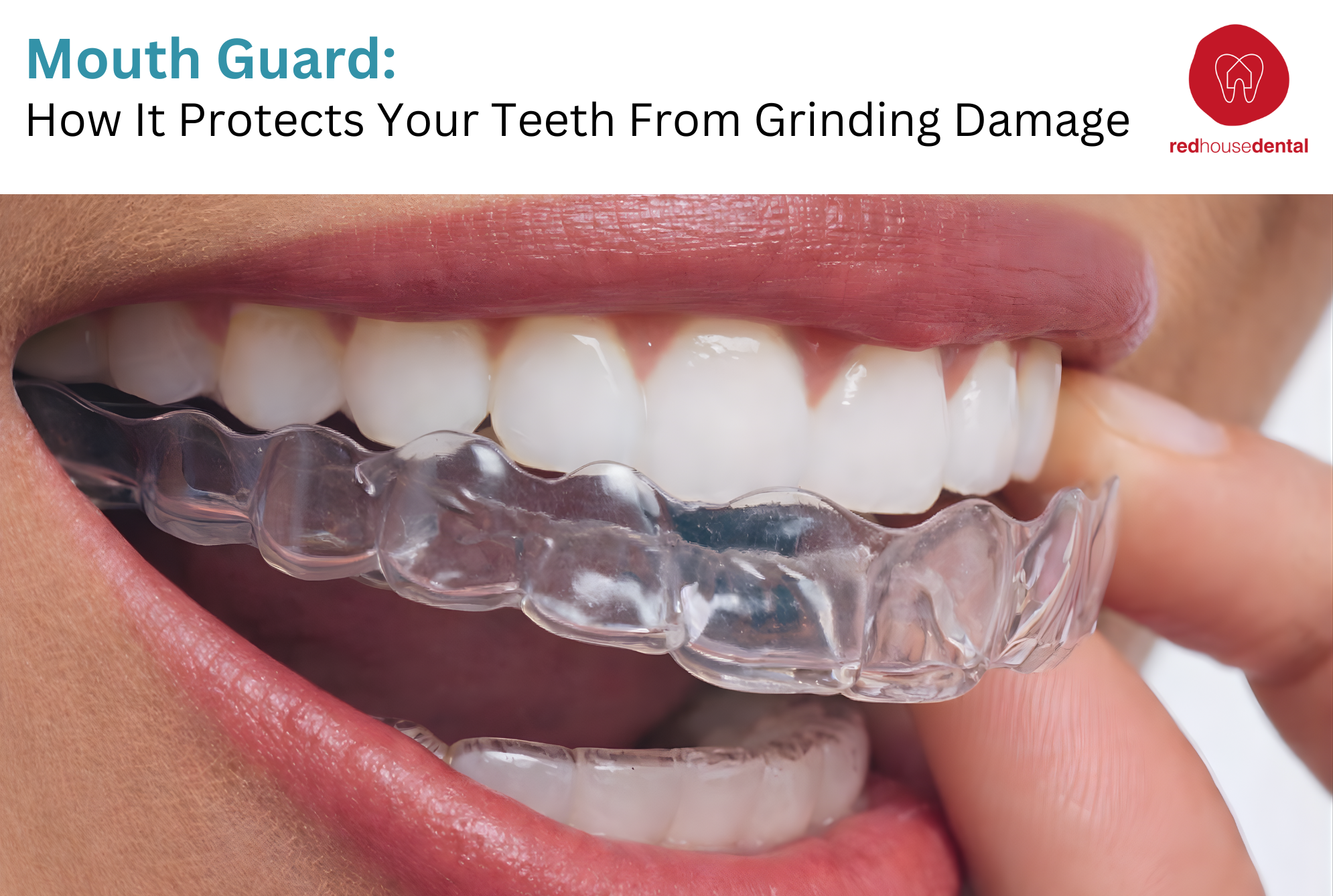
A dental mouth guard is basically a snug-fitting shield that slips over your teeth. Your dentist crafts it so that your upper and lower teeth don’t clash. That simple barrier blocks the damage from all that nighttime grinding and clenching.
Most of these guards are made from soft plastics or rubbery materials that cushion the impact. They soak up the pressure when your teeth try to grind. Plenty of folks only pop one in at night, but some keep it on during the day if needed.
Think of it as your teeth’s personal bodyguard. It wedges right in there, taking the hit instead of your enamel. This little lifesaver heads off a ton of dental headaches right from the start.
Different Types of Mouth Guards
There are choices of mouth guards, each with its own vibe and fit.
Stock ones are the ones off the shelf that you grab from a shop. They are cheap and ready to wear, but man, they never fit; they are so bulky, and it can feel like you are breathing hard.
Then some boil-and-bite guards beat the stockers to pieces. Warm them in boiling water and bite down, and presto, your own homemade mould. So much more comfortable as a daily wear.
However, when you are seeking the gold standard, have custom-fitted ones done by the dentist. They fit perfectly in your mouth so that there is nothing there that even feels like it has been eight hours in bed. For a mouth guard to be used while sleeping, it should fit well enough that you use it nightly.
Sports guards are constructed to work hard. Athletes wear them to avoid bumps and tackles that could lead to injuries. They are heavier and stronger than the typical sleep guard.
Whatever it is, talk to your dentist , they will tell you which kind to get in your life.
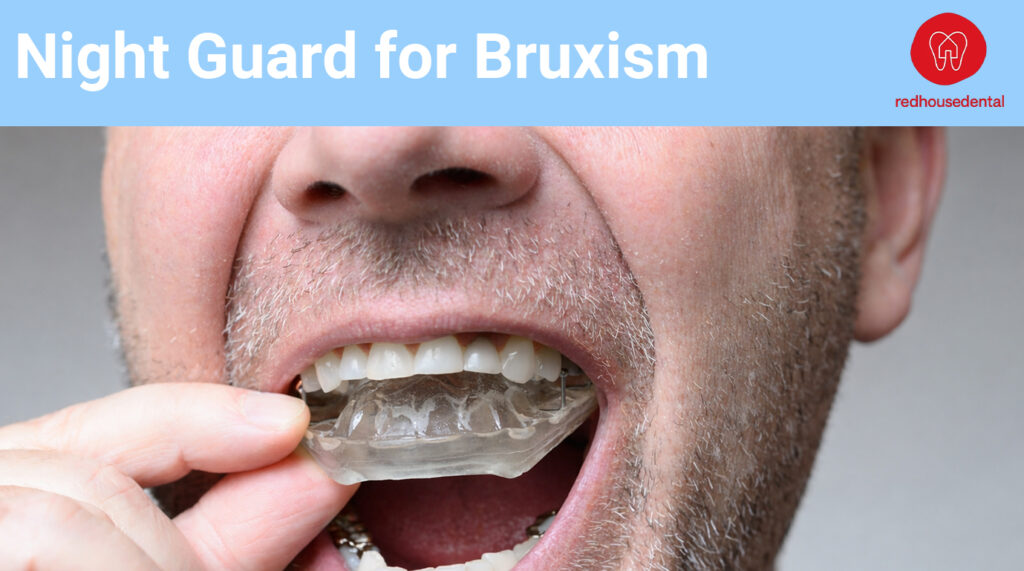
Night Guard for Bruxism
Bruxism nightguards help prevent the wear and tear on your teeth while you sleep. Unattended, that grinding eats away at your tooth, causing sensitivity, cracks, or even worse, broken teeth.
And they help dissolve sore jaws and those killer headaches, too. Clenching exercises your jaw muscles by overworking them, which can leave them irritated and tight, left unchecked, it can grind away at your enamel, leading to sensitivity, cracks, or worse: snapped teeth.
Plus, they ease jaw aches and those killer headaches. Clenching your jaw muscles over time can leave them sore and tight. The guard keeps things just a bit apart, letting those muscles chill out.
They safeguard your dental work, too , like crowns, bridges, or fillings, because grinding loves to wreck them. With a guard, your fixes stay solid for years.
Daytime Use of Mouth Guards
Grinding does not necessarily happen only at night; stress or concentration may also lead to it during the day. Daytime mouth guards come in handy there.
They are thinner than night versions; thus, you can use them when you are chatting or grinding through work. People sneak them in traffic congestion or arduous tasks.
Athletes warm up during practices and games to protect against falls or stray elbows. They are the saviours even in the non-contact sports.
When the stress is choking your neck, the guard will kick you to relax. Keep up with it, and you can even quit the habit after some time.
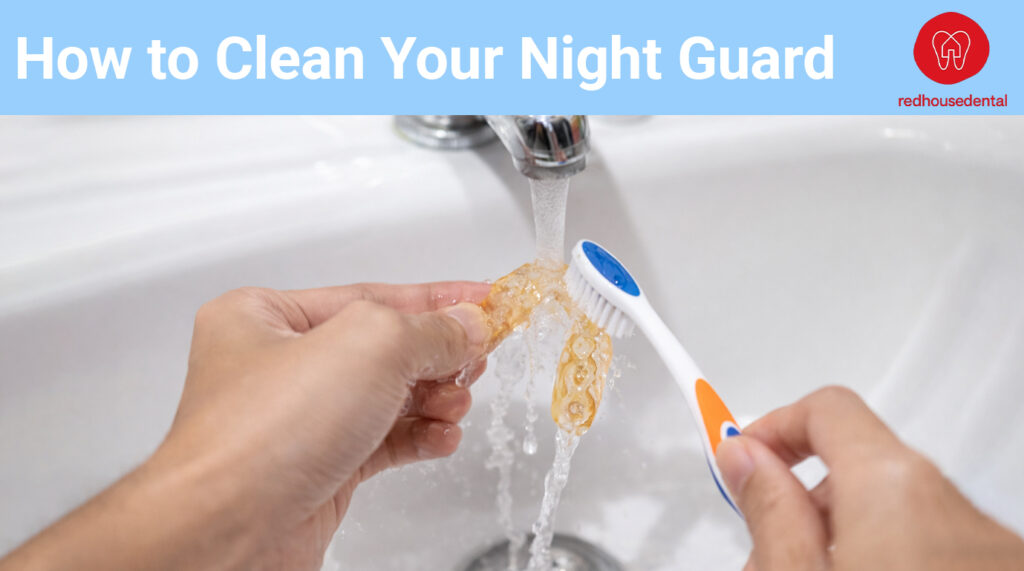
How to Clean Your Night Guard
Your night guard will not compromise on cleanliness; do it, or the bacteria will accumulate and cause unpleasant breath or infections. Learn how do you clean a night guard, and it will last longer and be safer.
Begin with the easiest: rinse with cool water in the mornings to shoot out the saliva and gunk.
Brush it lightly with a soft toothbrush and non-abrasive toothpaste or mild soap. Make you avoid the rough stuff that could tamper with the fit.
A deep clean once a week in denture cleaner or a water-vinegar mixture. It disinfects and removes stains.
Keep it in an open case, not in the heat or the sun, they warp in that. When it comes to cleaning a night guard, how to clean night guard can be a problem for your mouth.
Benefits and Side Effects of Mouth Guards
Wearing a mouth guard packs some serious perks for your dental health, here’s why it’s worth it.
Top of the list: the benefits of a night mouth guard mean your enamel stays intact from grinding. Once it’s gone, it doesn’t come back, so protecting it now saves grief later.
You’ll likely ditch jaw pain and headaches fast, many notice relief in weeks.
It protects dental fillings, crowns, and bridges from damage, reducing future repair costs.
Bonus: better sleep. A relaxed jaw means deeper rest and waking up refreshed.
That said, side effects of mouthguard use sometimes pop up. Extra drool at first? Normal, your mouth adapts quickly.
Newbie jaw soreness happens as muscles shift gears, but it fades fast.
Bad fits might tweak your bite, so denture customs are key. Side effects of mouth guard use are minor if it fits right.
Getting used to it in your mouth takes a bit, ease in with short sessions. Most adjust in a week. Bottom line: the benefits of mouth guard use crush any minor hassles.
Cost and Where to Get Quality Care
Prices for mouth guards swing widely by type. Store-bought stock ones run $0 to $200, but fit issues make them iffy.
Custom-fitted by a dentist? The cost of mouth guard jumps to $300–$500, but the perfect fit, longevity, and results make it a steal.
Insurance might chip in, especially with bruxism proof, call yours to check.
Think long game: a custom mouth guard for sleeping dodges pricier fixes like cracked teeth or redone fillings.
Get Expert Care at Red House Dental
Here at Red House Dental, we’re all about keeping your smile safe. We craft custom-fitted mouth guards that actually do the job and feel great.
Our team gives you that personal touch in a welcoming spot. We listen to your story, night guard for bruxism or sports protection, we’ve got you with a spot-on fit.
We take the Canadian Dental Care Plan (CDCP) to keep things affordable. Upfront pricing, no shocks, we break it all down.
Our tech nails that precise mouthguard fit for sleeping with gentle, cutting-edge methods.
Don’t let grinding wreck your teeth. Reach out to Red House Dental now:
- Call: 905-883-4643
- Text: 647-518-4643
- Email: reception@redhousedental.com
- Visit: 38 Arnold Crescent, Richmond Hill
We save slots for same-day urgencies. Free parking keeps it easy. Let’s guard that smile with the best.
Frequently Asked Questions (FAQs)
How long does a mouth guard last?
Custom ones hold up for 3–5 years with care, though heavy-duty grinders wear out sooner. Pop in for checkups for a once-over.
Can I wear a mouth guard if I have braces?
Totally, dentists design special ones that protect teeth and braces. Just ask for the right fit.
Will a mouthguard completely stop me from grinding?
It won’t kill the habit, but it blocks damage. Some grind less as jaws relax over time.
Do I need a prescription for a mouth guard?
Nah, for store stockers, but customs need a dentist visit and fitting, they’re leagues better.
Can children wear mouth guards?
Yep, for grinding or sports. Kids’ mouths change fast so that updates might come more often, chatting with your dentist.