Dental work costs more than expected, often. A simple filling turns into a root canal. Suddenly a routine visit becomes a real financial hit.
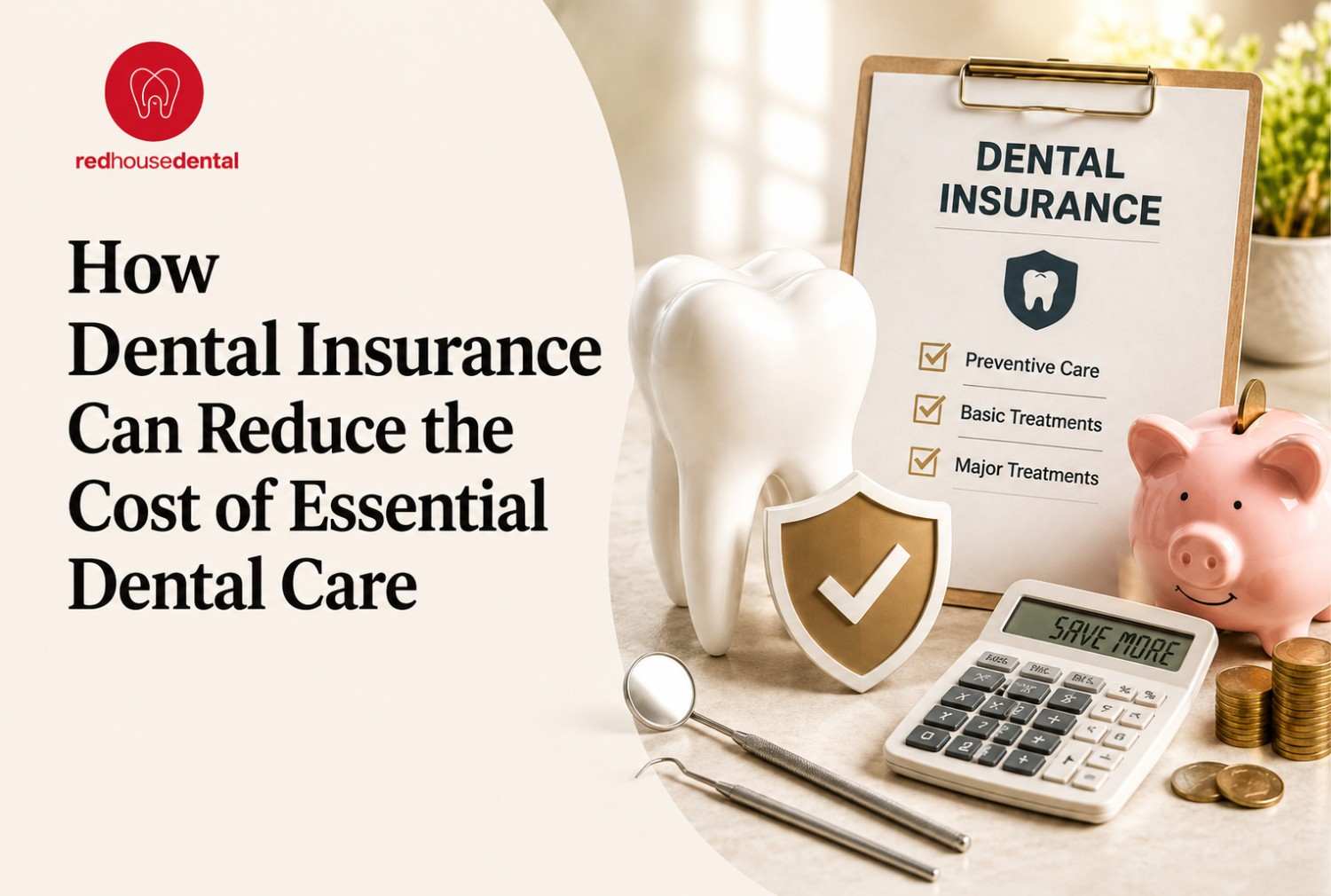
This is where dental insurance earns its keep. It covers the gap between what dental care actually costs and what people can comfortably pay out of pocket.
Oral health ties into overall health more than people realize. Gum disease links to diabetes and heart disease. That makes regular checkups worth prioritizing, not putting off.
Having solid dental insurance makes that easier to follow through on. Cost is usually the biggest reason people delay care in the first place, and delayed care almost always ends up costing more down the line.
What Is Dental Insurance?
Dental insurance covers part of the cost tied to treatments. Checkups, cleanings, fillings, more involved work like root canals or extractions.
In Canada, dental insurance usually comes through an employer benefits package, a private plan, or government programs like the Canadian Dental Care Plan for those who qualify.
Without dental insurance coverage, Canadian residents often pay the full cost upfront. That can add up quickly, especially when treatment such as a dental crown is required. Understanding the types of dental crowns and their costs can also help you estimate potential out-of-pocket expenses.
Most plans work by covering a percentage of costs rather than the full amount, which still makes a real dent in what someone actually pays.
Why It Matters
Dental treatments rarely come cheap. Costs keep climbing as techniques and materials get more advanced.
Without insurance, one unexpected procedure can turn into an expense many households aren’t ready for. A cracked tooth or sudden infection doesn’t wait for a convenient time financially.
Getting coverage through dental insurance Canada plans, standalone or bundled with broader health coverage, tends to be the more practical route. It also removes some hesitation around booking appointments, since cost worry often leads to delayed care.
That hesitation matters more than people think. A small cavity ignored for a year can turn into a much bigger, more expensive problem by the time it’s finally addressed.
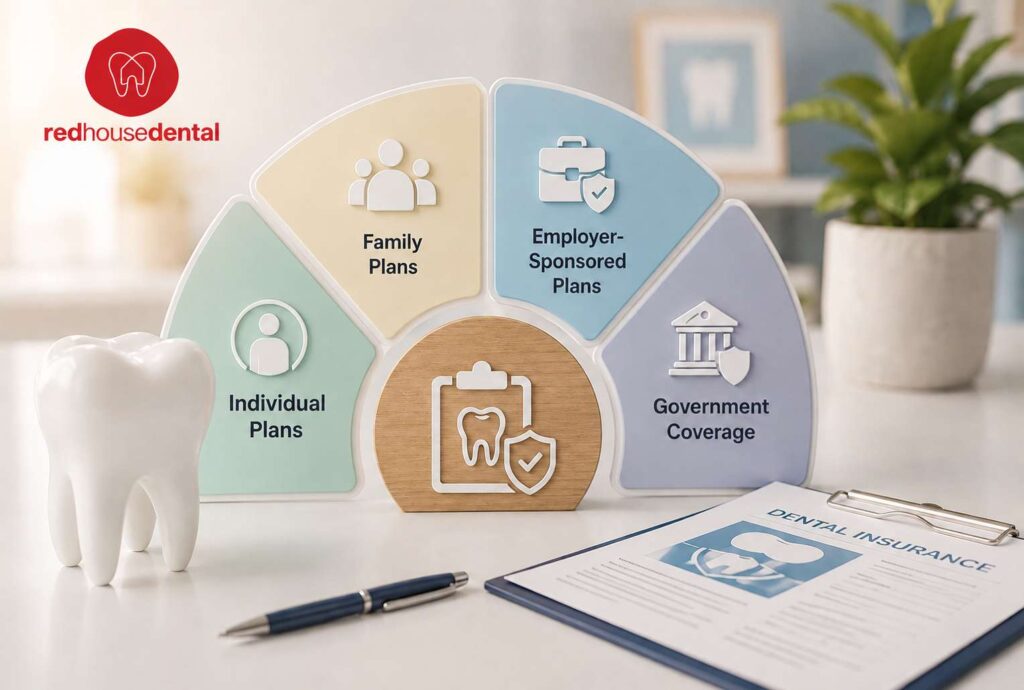
Types of Plans
A few different structures exist depending on individual needs.
Individual Plans
Tailored to one person. Covers routine visits plus occasional emergency work. Usually the right fit for someone without access to family or workplace coverage.
Family Plans
Covers dental expenses for a whole household under one policy. Often more cost-effective than separate individual plans, especially for families with kids needing regular checkups.
Employer-Sponsored Plans
Plenty of Canadians access dental insurance plans through workplace benefits. Usually at reduced cost since employers cover part of the premium.
These plans vary a lot in what they actually include. Worth reviewing the specifics rather than assuming full coverage automatically.
Government Coverage
The Canadian Dental Care Plan helps eligible residents access care without the same financial barriers private insurance carries.
It’s specifically built to fill gaps for people who otherwise wouldn’t have any dental coverage at all.
What Is the CDCP?
The Canadian Dental Care Plan, CDCP for short, is a federal program. Built to help eligible Canadians access dental care at reduced or no cost, depending on household income.
Aimed particularly at those without existing coverage through an employer or private plan. It’s become an important option for families who previously avoided dental visits purely due to cost.
How to CDCP Apply
Wondering how to apply CDCP if you might qualify? The process starts through Service Canada.
Eligibility gets assessed based on income, residency status, and whether the applicant already has dental insurance Canada elsewhere.
Once approved, coverage kicks in after enrollment’s confirmed. Patients can start booking with participating providers from there.
Worth applying even if eligibility seems uncertain. Income thresholds tend to be broader than most people assume going in, and plenty of people who thought they wouldn’t qualify have ended up approved.
Finding a CDCP Dentist in Richmond Hill
Once approved, the next step is finding a CDCP dentist in Richmond Hill who actually participates in the program.
Not every clinic’s registered with the CDCP. Worth confirming participation directly before booking anything, since showing up unaware can lead to unexpected costs.
At Red House Dental, we accept the Canadian Dental Care Plan. That makes it easier for eligible patients in Richmond Hill to access covered care without added financial stress.
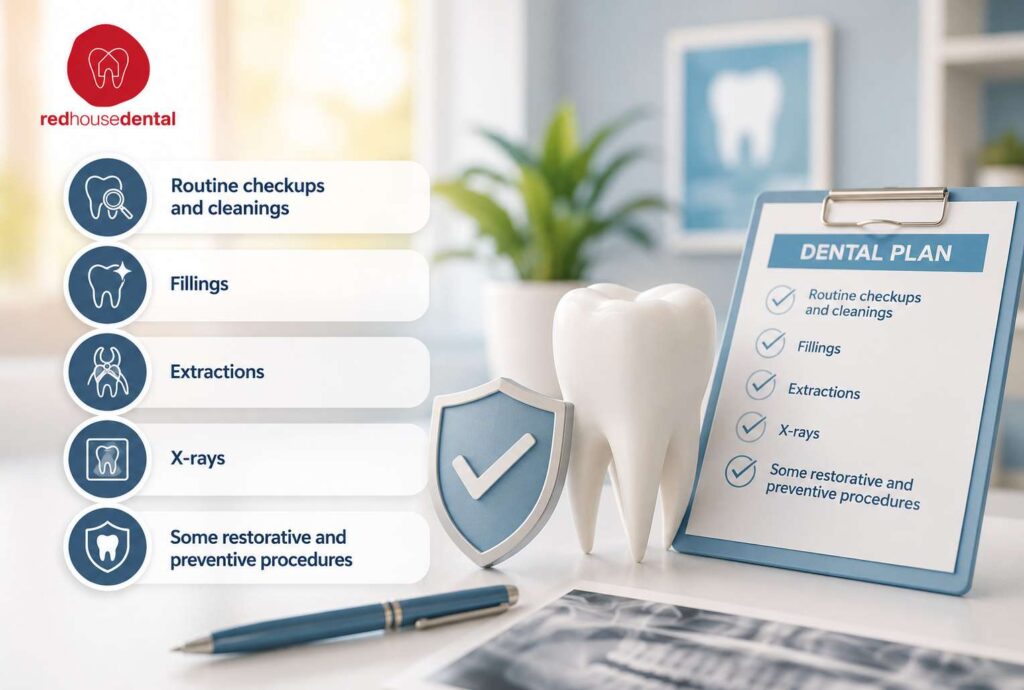
What Do CDCP Dentists Actually Cover?
Coverage through CDCP dentists typically includes a range of services, though specifics depend on individual eligibility.
- Routine checkups and cleanings
- Fillings
- Extractions
- X-rays
- Some restorative and preventive procedures
Coverage limits vary. Worth confirming exact details directly with a participating clinic, since tiers can differ based on household income.
Benefits of Having Coverage
Lower Costs Out of Pocket
Even partial coverage on something costly like a root canal treatment can make a real difference, especially when you understand what the procedure involves.
Easier Access to Preventive Care
With coverage in place, routine checkups become far more affordable. That encourages people to actually book them rather than skipping to save money.
Preventive care matters a lot here. It tends to catch small issues before they become expensive problems later on.
Peace of Mind
Having dental insurance means not worrying about how an unexpected issue gets paid for.
That reassurance alone makes coverage worth it for plenty of people, especially families juggling several other expenses at once.
Catching Problems Early
Regular covered visits mean issues get caught before they turn into something more serious and pricier to treat.
A cavity caught early costs far less than the same cavity left untreated for a year or two.
What to Look for in a Plan
Not every plan covers the same things. A few details deserve a close look before choosing coverage.
- What’s actually included, and what’s excluded
- Whether there’s a waiting period before coverage kicks in
- Annual coverage limits and how they apply
- Whether a specific dentist network needs to be used
- How claims get submitted and processed
Common Inclusions
Most dental insurance plans, private or through the CDCP, cover a similar core set of services.
- Cleanings and routine checkups
- Fillings
- Extractions
- X-rays
- Preventive care and oral exams
More extensive procedures like orthodontics or major restorative work sometimes come with added limitations or separate tiers. Worth confirming specifics ahead of time rather than assuming.
Things Worth Checking Before Choosing Canada Dental Insurance
A few practical steps make picking Canada dental insurance easier.
- Compare a few different plans before committing.
- Read the policy details carefully, especially exclusions.
- Confirm which dentists fall under the plan’s network.
- Check how reliably and quickly the insurer processes claims
A Few Extra Considerations
Think about how often a plan actually gets used before choosing.
Someone with generally healthy teeth might prioritize lower premiums with basic preventive coverage. Someone with ongoing dental issues might benefit more from higher coverage limits, even if premiums run a bit steeper.
There’s no single right answer here. It really depends on individual circumstances and dental history.
It’s also worth checking whether a plan renews annually or carries unused benefits forward. Some plans reset every calendar year; others don’t.
How Claims Typically Work
Once a treatment’s done, claims usually get submitted either directly by the clinic or by the patient afterward, depending on the provider.
Having the right documentation ready speeds this up considerably. Things like the policy card, itemized clinic bills, and a completed claims form if the process is being handled offline.
Clinics that regularly deal with dental insurance plans and the CDCP tend to make this part smoother, since they’re familiar with the paperwork involved.
Visit Red House Dental
Covered under the Canadian Dental Care Plan? Or exploring options for the first time? We’re happy to help sort out what’s covered and what actually makes sense for your situation.
We’re a family dental clinic in Richmond Hill at 38 Arnold Crescent. We accept the Canadian Dental Care Plan, so getting the care you need doesn’t have to come with unnecessary financial stress.
Our team can walk you through your coverage and what to expect before any treatment begins.
Frequently Asked Questions(FAQs)
How do I apply for the CDCP?
Applications go through Service Canada. Eligibility gets assessed based on income, residency, and existing dental coverage.
How do I find a CDCP dentist in Richmond Hill?
Not all clinics participate. Worth confirming directly with a dental office, like Red House Dental, which accepts the CDCP.
What does dental insurance in Canada typically cover?
Most plans cover checkups, cleanings, fillings, and extractions. More extensive work sometimes needs additional coverage or approval.
Is dental insurance worth it if I’m generally healthy?
Yes. Preventive coverage makes routine visits more affordable, helping catch potential issues early before they become costly to treat.